
Reviewed · THREE CITIES HARBOUR WALKS
From Cospicua: Senglea, Bormla, and Birgu Walking Tour
Three fortified towns, one smart walk. This 2.5-hour guided stroll from Cospicua stitches together Knights of Malta streets with waterfront views and the big, dramatic harbor fortifications that shaped Malta. I like how the history feels personal, not dusty, but a possible drawback is the walking is steady, so plan on comfortable shoes and your own pace.
I also love the human touch from the guides, with names like Karl, Chris, and Lorraine showing up in real-world pacing and storytelling. The best part is the ending at St. Laurence Church in Birgu, where you can jump on a typical dhajsa back toward Valletta if you want.
In This Review
- Key highlights I’d plan around
- Where the tour starts: the Valletta to Cospicua ferry rhythm
- Cospicua for orientation: 30 minutes that set the tone
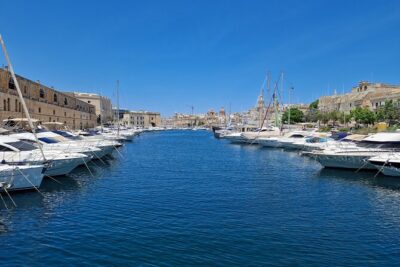
- Senglea and Bormla along the water: where the yachts meet the walls
- Birgu (Vittoriosa): the Collacchio streets you’ll want to slow down for
- Photo stop and viewpoints: turning history into something you can see
- Fortifications across the harbor: why Malta’s skyline looks the way it does
- World War II in Birgu: the place that took the heaviest hits
- British Royal Navy history: drydocks and Mediterranean headquarters
- Timing, walking style, and what to wear
- Who this walk suits best, and who might not love it
- Price and value: what $24 gets you in real terms
- Should you book Best Tours Malta’s 3 Cities walk?
- FAQ
- How much does the Senglea, Bormla, and Birgu Walking Tour cost?
- How long is the tour?
- Where do I meet the guide?
- Is the tour in English?
- What towns and areas are included in the tour?
- What is included in the price?
- Is hotel pickup or drop-off included?
- Is the gondola to Valletta included?
- How do I get back to Valletta at the end?
- What should I bring?
Key highlights I’d plan around
- Three Cities in 2.5 hours: short, focused segments that fit well into a Malta day
- Waterfront walking with yachts: a calmer side of Malta than the Valletta crush
- Birgu’s Collacchio lanes: narrow streets and palaces linked to the Knights in 1530
- WWII survival stories: Birgu as the most bombed area on the islands, told in context
- British Royal Navy connections: drydocks and Mediterranean HQ history that explains the harbor’s importance
- Small-group feel: examples of groups around 5 to 10, which makes questions easier
Where the tour starts: the Valletta to Cospicua ferry rhythm
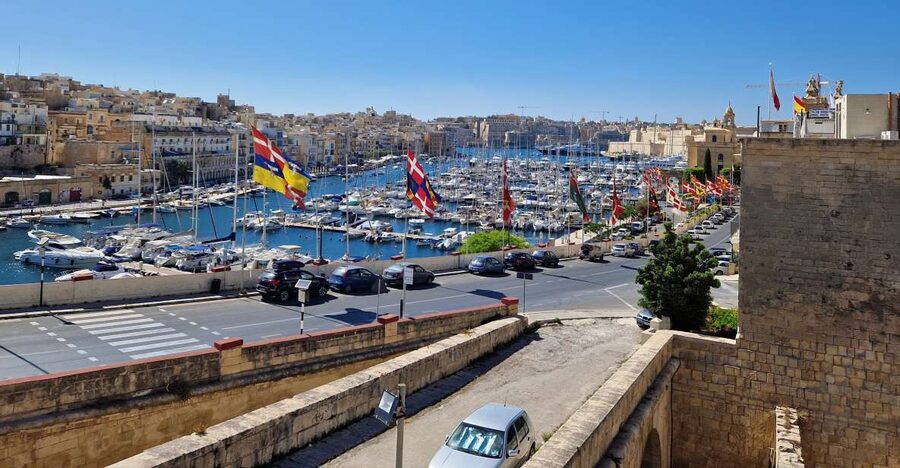
This tour is built around an easy jump off the Valletta side. You meet at the unloading place for the Valletta to 3 Cities ferry in Cospicua, so you’re already in motion the moment you step off.
I like this approach because you get the “workday” feel of local Malta. It also helps you avoid backtracking. When the guide starts talking right away, the neighborhoods stop feeling random.
Practical note: there’s no hotel pickup and drop-off. You’ll want to be at the ferry dock area with enough time to find the right unloading spot.
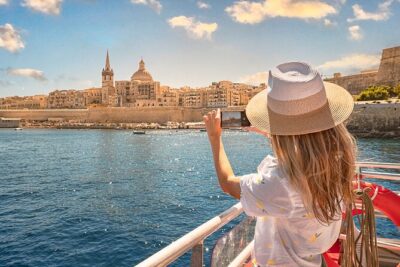
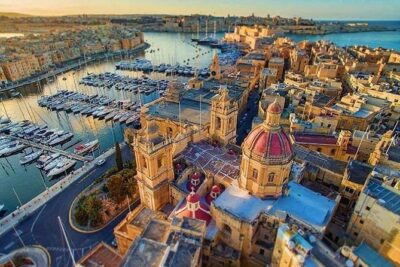
More of the Three Cities, across the water:

Cospicua for orientation: 30 minutes that set the tone
You spend about 30 minutes with the guide in Cospicua. This is your warm-up block, where you start seeing how the 3 Cities connect visually and historically.
Even if you never return to Cospicua after this, you’re set up to understand why the surrounding towns mattered. The guide’s stories help you “read” the harbor, the viewpoints, and the building styles instead of just passing them.
The biggest plus here is pacing. This isn’t a long slog right at the start, which matters because the rest of the walk is concentrated.
Senglea and Bormla along the water: where the yachts meet the walls
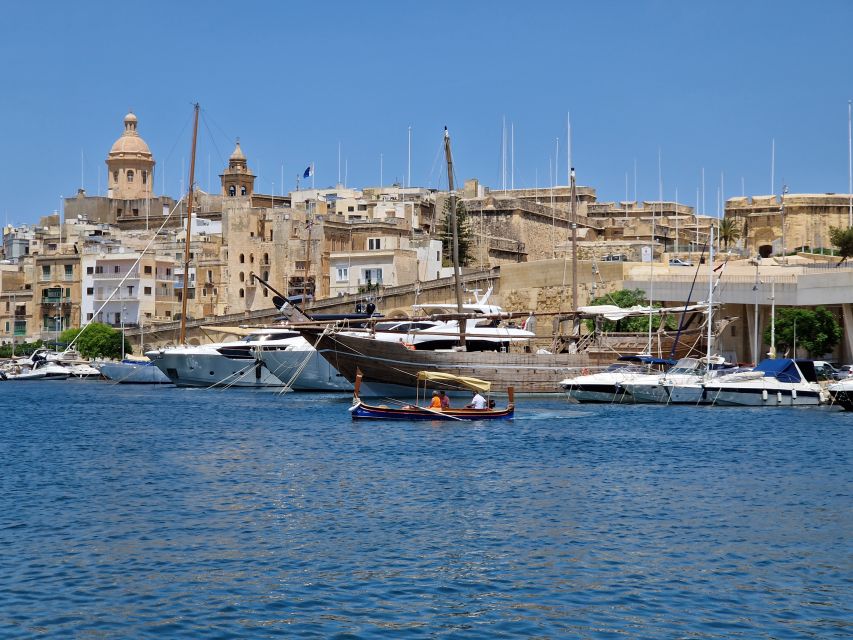
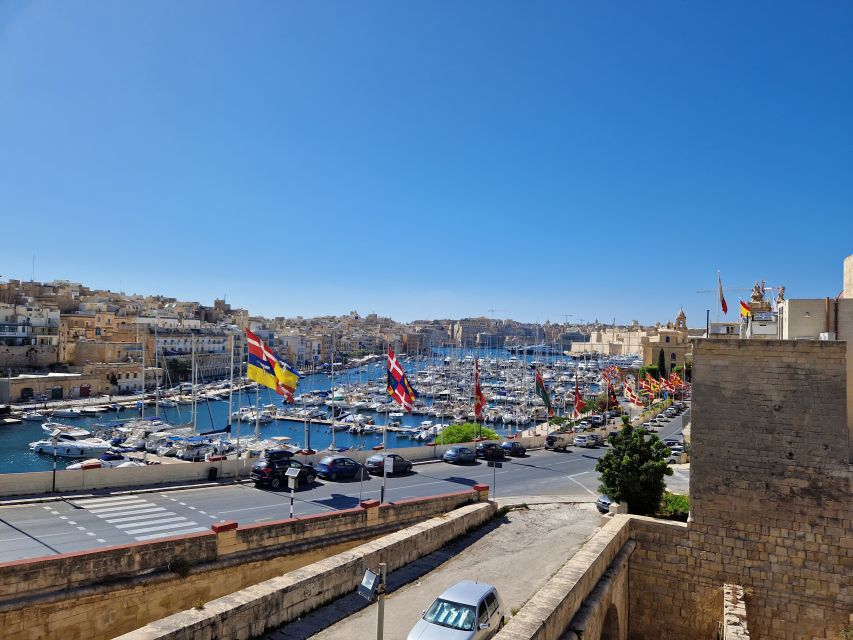
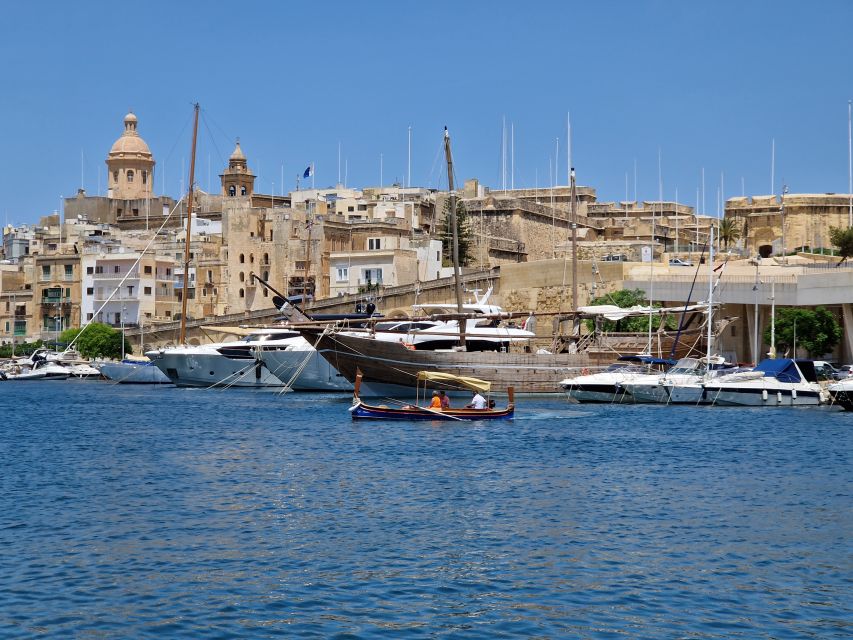
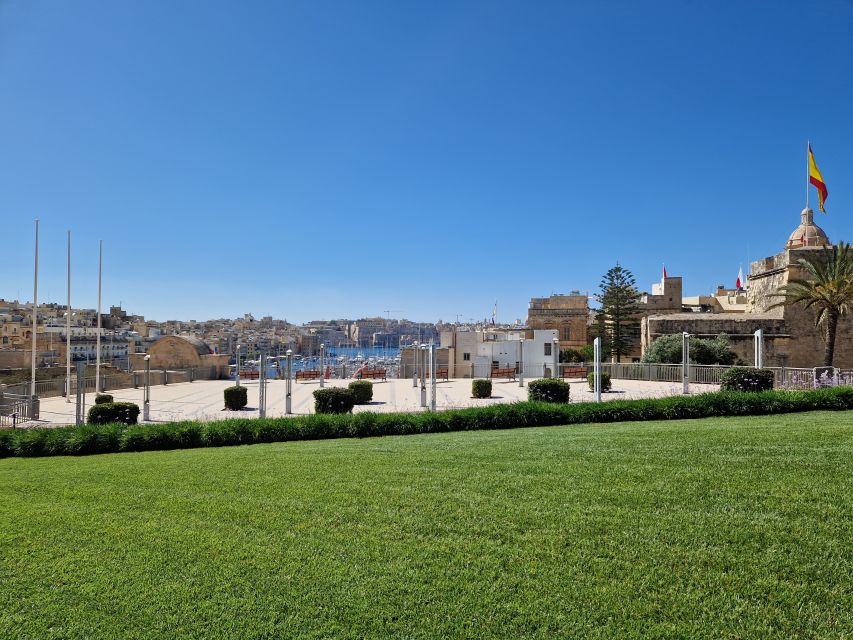
After Cospicua, the tour moves you through the waterfront side that connects Senglea and Bormla. You’ll walk areas lined with yachts, and you’ll get those classic harbor angles that make the whole skyline make sense.
This waterfront segment is one of the reasons the tour works so well for first-timers. You see Malta from water level, not just from viewpoints, so the fortifications feel logical instead of random.
If you’re someone who likes photos, this is where you’ll start thinking in frames: church towers, stone edges, and that harbor geometry. The tour also includes a dedicated viewpoint photo stop later, but the early shoreline helps you pick better shots.
Birgu (Vittoriosa): the Collacchio streets you’ll want to slow down for
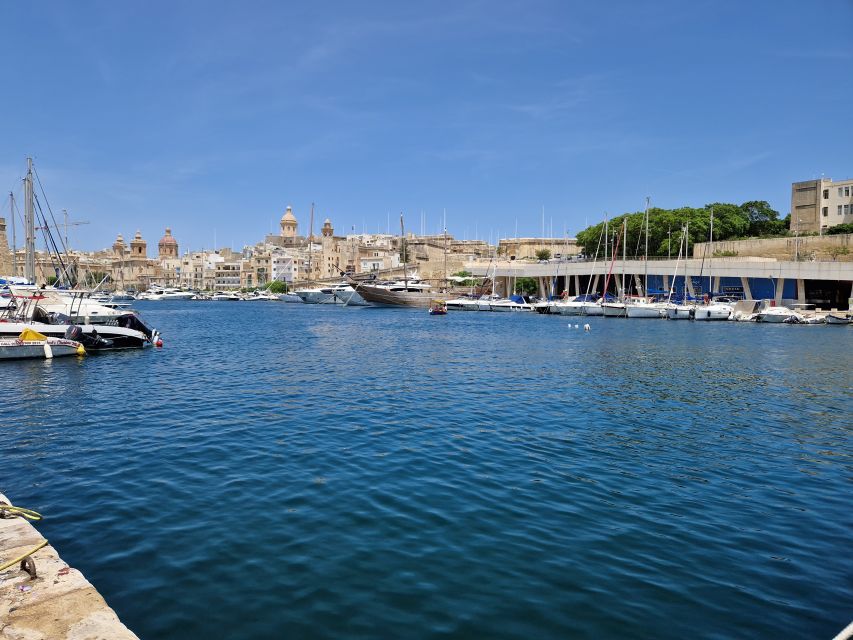
Most of the tour focuses on Birgu, also known as Vittoriosa, where you get about 75 minutes guided. This is the heart of the experience because it’s where the town’s medieval character and defensive role overlap.
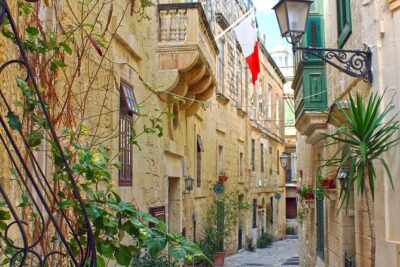
One of the specific areas you’ll cover is Collacchio. You’ll walk the narrow, winding streets and see the palaces associated with the Knights of Malta from around 1530.
I like Collacchio because it’s easy to picture daily life. When you’re guided through the lanes, the place stops being a “pretty old town” and becomes a living story about power, defense, and community.
One practical consideration: narrow lanes can mean uneven footing and tight spacing. Keep your shoes simple and comfortable, and don’t expect a lot of wide, open walking.
Photo stop and viewpoints: turning history into something you can see
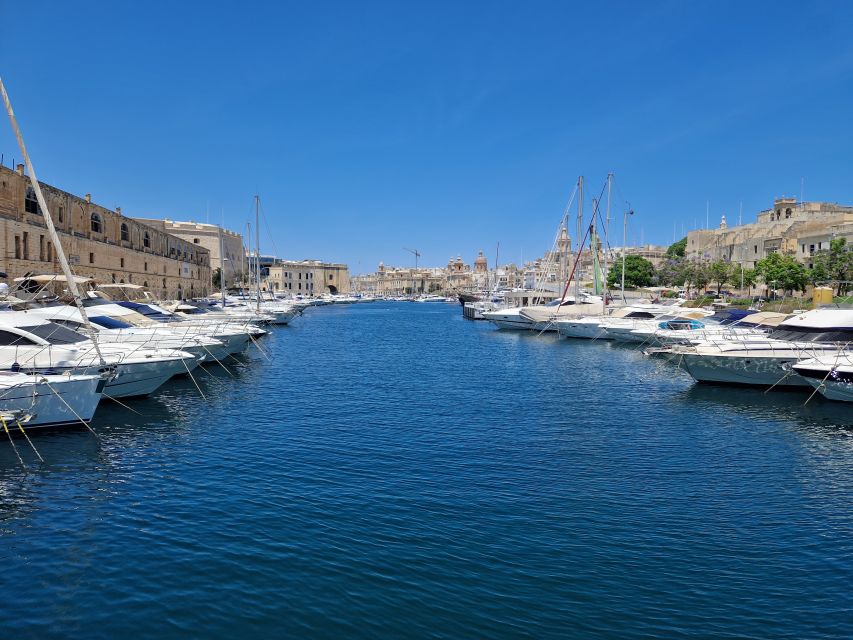
Midway through the Birgu focus, there’s a 15-minute viewpoint/photo stop. This is timed so you can regroup, look around, and match what you’ve been hearing with what you’re seeing.
This part matters more than it sounds. Harbor history gets real when you understand the sight lines. A good viewpoint stop helps you connect the fortifications you’re walking past to the reason they were built.
Bring a camera if you use one, but also bring your curiosity. The guide’s explanations during view moments tend to make the skyline feel like a diagram instead of just a pretty backdrop.
More Guided Walks in Malta:
- The Original Valletta Walking Tour★ 5.0 · 2,719 reviews
- Valletta: 3-Hour Walking Tour★ 4.7 · 1,605 reviews
- Valletta: Guided City Walking Tour★ 4.8 · 1,256 reviews
- Valletta: Street Food and Culture Walking Tour★ 4.8 · 1,251 reviews
- Malta: Mdina and Rabat Walking Tour with Catacombs★ 4.8 · 1,126 reviews
Fortifications across the harbor: why Malta’s skyline looks the way it does
The tour includes crossing toward the walls and fortifications that decorate Malta’s skyline. You’ll see the scale of the defenses and get help putting them into context.
I find this section especially valuable because it explains how Malta’s geography shaped military thinking. Instead of treating fortresses like isolated monuments, you understand them as part of a bigger system built for survival and control.
And since you’re walking, you’re not stuck with the pass-by-and-forget view. You get multiple angles, which makes the “aha moment” easier.
World War II in Birgu: the place that took the heaviest hits
Another standout topic is Birgu’s WWII experience. The guide shares that Birgu was the most bombed area on the Maltese Islands, and you learn about local resilience there.
This isn’t told as tragedy for its own sake. It’s framed to help you understand why the town’s character hardened and changed. When you’re standing in those streets afterward, you’re not just seeing old stone, you’re seeing a community shaped by history.
A possible drawback is that this can feel emotionally heavy for some people. If you prefer lighter storytelling, you can still enjoy the architecture and viewpoints, but you should know this part has weight.
British Royal Navy history: drydocks and Mediterranean headquarters
The harbor story also includes the British Navy role in developing these cities. You learn about drydocks and the headquarters of the British Royal Navy in the Mediterranean.
This segment is practical history. It helps you understand why the harbor infrastructure looks the way it does, and why the 3 Cities stayed strategically important long after earlier Knights-era defenses.
If you like “why things are here” more than “what things are called,” this part will land well. The guide ties the naval presence back to the physical spaces you’re passing.
Timing, walking style, and what to wear
You’re looking at 2.5 hours total. That’s long enough to get real context, but short enough that you don’t feel trapped once you start.
What helps is the regular rhythm of guided stops, plus the photo pause. It keeps the walk from turning into a single long lecture.
Bring comfortable shoes. The tour includes waterfront edges, narrow lanes, and fortification areas, and you’ll appreciate stable footing. If you’re visiting in hot weather, plan for sun and hydration too, since you’ll be outside a lot, even if much of the time is shaded by buildings.
Who this walk suits best, and who might not love it
This is a strong fit if you want Malta beyond postcards. You’ll get Senglea, Bormla, and Birgu in one go, with story-driven context around the Knights, WWII, and the British naval era.
It’s also a good choice if you like small-group interaction. The tour has been experienced in groups ranging around 5 to 10 in different moments, which makes questions feel natural instead of rushed.
Who might skip it: if you already have a strong history plan for Birgu and want only beaches or museums, you could feel this is too street-and-skyline focused. Also, if walking for 2.5 hours on mixed surfaces is a deal-breaker, you’ll want to pick something more relaxed.
Price and value: what $24 gets you in real terms
At $24 per person, the value comes down to how much you get from the guide. This isn’t just a route through streets, it’s a guided explanation of why the harbor, fortifications, and neighborhoods matter across centuries.
You also benefit from time efficiency. In 2.5 hours, you cover three towns connected by history, plus the specific Birgu areas tied to the Knights in 1530. If you tried to do that alone, you’d likely spend extra time figuring out what you’re looking at.
What’s not included matters too. The gondola to Valletta is not included, but the tour ends near St. Laurence Church where you can board a dhajsa back toward Valletta. That means you can keep the day flowing without hunting for transport at the last minute.
Should you book Best Tours Malta’s 3 Cities walk?
Yes, if you want a smart Malta “orientation plus story” day. This tour gives you the most useful kind of history, the kind you can see and walk through: Knights-era street layouts, WWII survival context, and British naval infrastructure explained in place.
Book it especially if you care about guides who tell stories with humor and pace, and if you like asking questions. With English narration and a schedule that fits a half-day, it’s a solid way to understand why the 3 Cities are still Malta’s other great stage, right beside Valletta.
If your plans are very packed and you only have time for one “historic walk” in the area, this one is hard to beat.
FAQ
How much does the Senglea, Bormla, and Birgu Walking Tour cost?
It costs $24 per person.
How long is the tour?
The tour lasts about 2.5 hours.
Where do I meet the guide?
You meet exactly at the unloading place of the Valletta to 3 Cities ferry as you get off the boat in Cospicua.
Is the tour in English?
Yes, it has a live tour guide in English.
What towns and areas are included in the tour?
You’ll cover Senglea, Bormla, and Birgu, including the Collacchio area in Birgu (Vittoriosa).
What is included in the price?
The tour includes the tour guide.
Is hotel pickup or drop-off included?
No, hotel pickup and drop-off are not included.
Is the gondola to Valletta included?
No. Gondola to Valletta is not included.
How do I get back to Valletta at the end?
The tour finishes on the Birgu waterfront in front of St. Laurence Church, where you can board a dhajsa back to Valletta.
What should I bring?
Bring comfortable shoes.
Just landed: new Malta pages
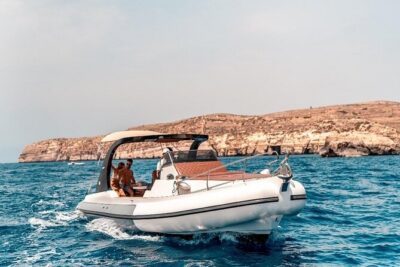
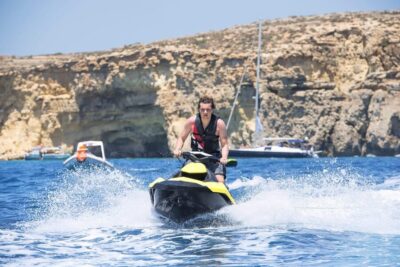
Three Cities Harbour Walks, compared.
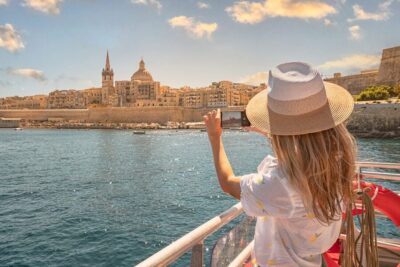

Three Cities guided tour including harbour boat tour
Read our review →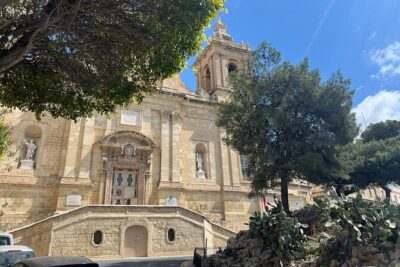
Three cities walking tour incl. entrance to Inquisitor’s palace
Read our review →Browse the lists this tour appears in