
Reviewed · SCUBA DIVING
Malta: 1-Day PADI Scuba Diver Certification Beginner Course
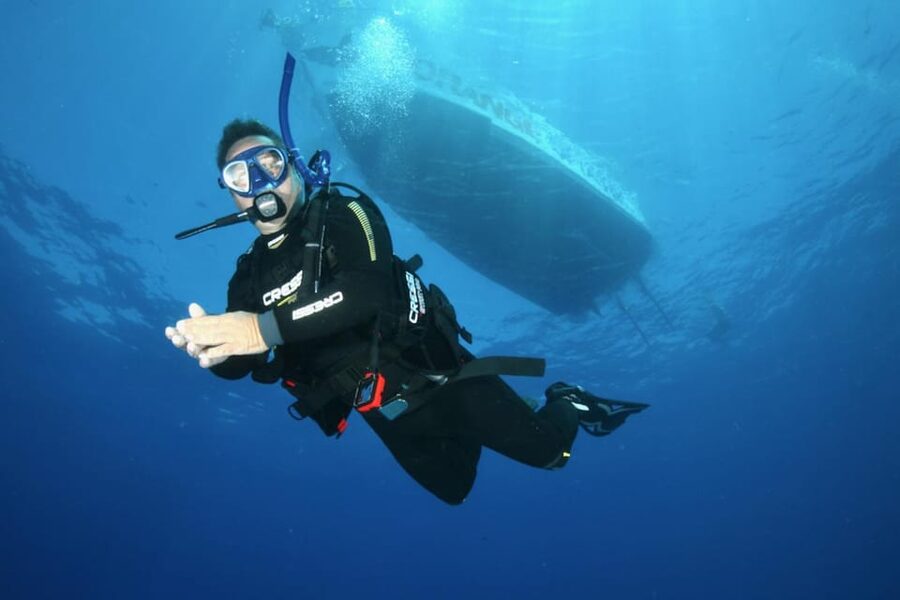
Breathing underwater is a real life skill. This Malta course turns that first scary idea into calm, coached underwater control, with PADI instructors and a small group of 8.
I especially like the setup: you do online theory first, then you show up ready to put skills into action. I also like that the day mixes confined-water practice with open-water sessions in a calm marine park, so you learn by doing.
One consideration, just so you can plan well: you’ll need to commit to the pre-course online chapters, and it’s not a fit if you have respiratory issues, or if you cannot swim.
In This Review
- Key things I’d watch before you book
- First Breaths, Calm Water, and a Malta PADI Certificate
- How the Malta Course Fits Your Real Schedule
- Online Theory First, So Your Water Day Has Focus
- Confined-Water Skills: Where Confidence Gets Built
- Open-Water Sessions in Malta’s Marine Park (Up to 12 Meters)
- Gear, Tank, and the Comfort Details That Make or Break It
- Instructor Attention in a Group of 8
- What You Earn, and How It Helps You Next
- Price and Value: Is $494 Worth It?
- Who This Malta Scuba Intro Suits Best
- What to Bring (And How to Stay Comfortable)
- Should You Book This OrangeShark Malta Beginner Program?
Key things I’d watch before you book
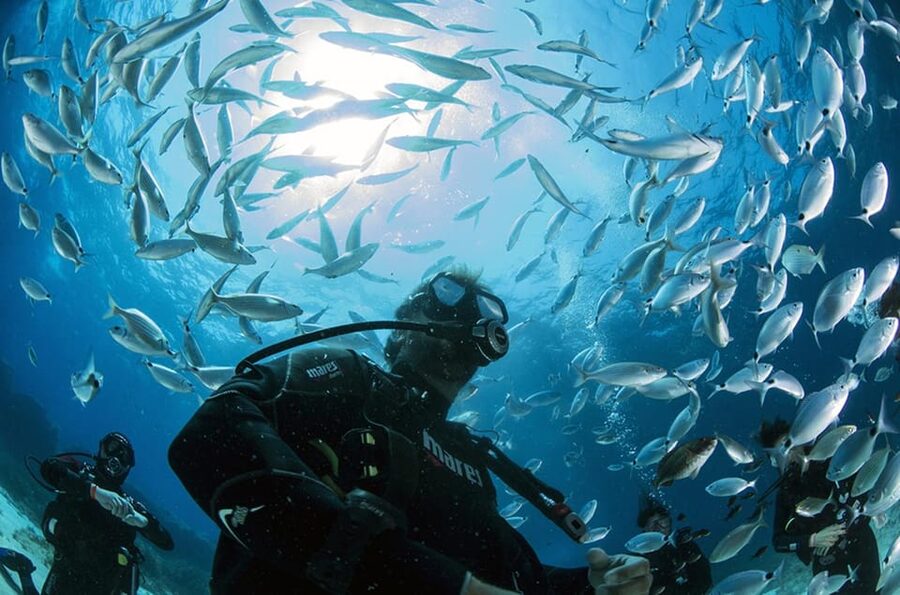
- Small-group training (up to 8), so you get real instructor attention instead of a crowd vibe
- Online theory first, with guidance on which chapters to complete before you enter the water
- Confined-water skills plus open-water sessions, capped at 12 meters with an instructor close by
- All gear included, down to mask, fins, octopus, wetsuit, and weights, plus a 200 bar tank
- PADI certification, internationally recognized, and a clear half-step toward the next level
First Breaths, Calm Water, and a Malta PADI Certificate
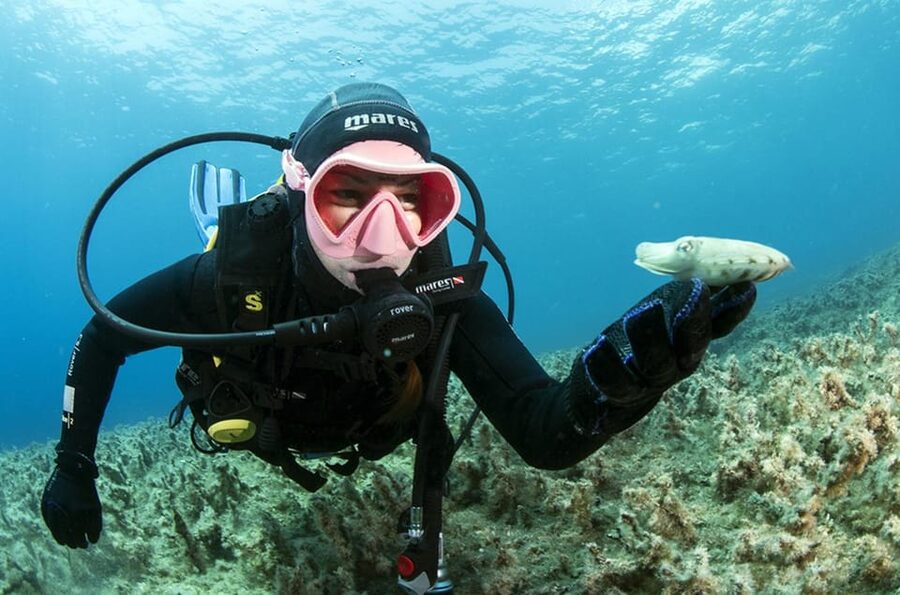
If you’ve ever watched scuba footage and thought, I could never do that, this course is built for you. It’s designed to take you from zero experience to safe, supervised underwater breathing and basic scuba control. In plain terms, you learn the system, then you try it with coaching.
I liked that the whole day has a steady structure. You start with theory online, then you build skills step by step in controlled conditions. Only after that do you move to open water, and even then, you stay within a clear limit: training goes up to 12 meters with a PADI instructor.
The center behind it, Orangeshark Malta, is led by Paola, and the local pride shows. In one recent review, Ryan highlighted how professional and welcoming the team felt from start to finish, and he specifically praised Paola’s care for both instructors and students. That lines up with what you want in a beginner course, calm guidance and good communication.
The possible drawback is the same thing that makes the course work. It’s not a “show up and wing it” experience. You’ll need to complete the online program chapters before you get in the water, so check your calendar and internet access ahead of time.
More dive sites near Mellieha:
How the Malta Course Fits Your Real Schedule
The course is presented as a one-day experience, but the booking info lists a duration of 2 days. That doesn’t mean you’re in water for two full days. It usually means the schedule window on the booking calendar can span two days based on your start time, plus the time you’ll spend completing the online chapters before the training day.
Here’s the practical way to think about it: you’re combining (1) online theory lessons and (2) a full training day that includes confined practice and open-water sessions. If you’re already on holiday in Malta, the format is convenient because you can treat the water day as the main event while handling the online portion in advance.
Also note the group size cap: small group, limited to 8 participants. That matters. In scuba training, small group size often means faster feedback and fewer students waiting for the instructor to reset the lesson pace.
Online Theory First, So Your Water Day Has Focus
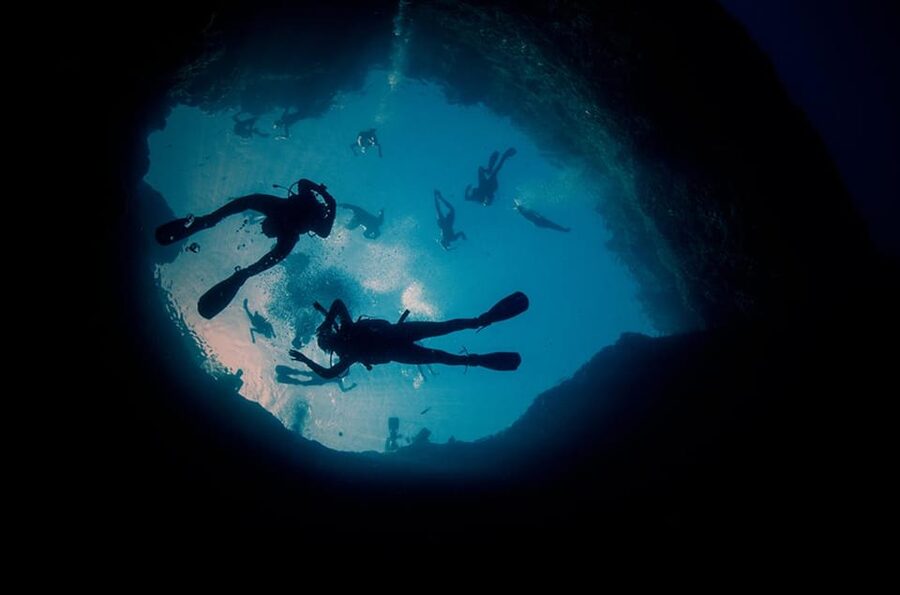
Before you arrive, you get access to an online program. The center guides you on which chapters you need to complete before joining the team in the water. That’s a smart approach, because it stops the first day from turning into a classroom spiral.
You also get 3 online theory lessons as part of the package. I like this because theory doesn’t have to steal your holiday time. Instead, it becomes prep you can do whenever you’re in a quiet moment, like after lunch or in the evening.
Why this matters for beginners: scuba is not just gear and bravery. You’re learning procedures, terminology, and the “why” behind safe breathing and buoyancy control. When you’ve already seen the basics online, the instructor can focus on corrections in the water instead of re-teaching the fundamentals.
Confined-Water Skills: Where Confidence Gets Built
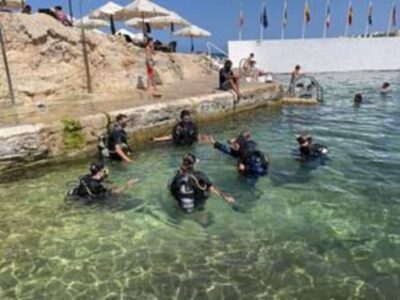
Your day includes 3 practice sessions in confined water. This is the no-drama part of the course where you learn core skills in a controlled setting. The goal is simple: get your body comfortable with the equipment and with breathing underwater while staying close to the instructor.
You’ll get high-quality scuba gear, and you’ll be trained on how to use it properly. The included kit covers the key pieces you need for early training: wetsuit, mask, fins, octopus, and weights. You also get a scuba tank filled to 200 bar for the training sessions, and you’ll use an underwater computer during the course.
In confined water, instructors can slow things down, help you set up your buoyancy, and correct your body position without the stress of open-water conditions. If you’re worried about panicking, this is where you practice control first.
Practical tip: bring your swimwear and towel, then treat the first part of the day like a “warm up your brain” session. You’ll move from learning to doing quickly, and being comfortable in your routine helps.
Open-Water Sessions in Malta’s Marine Park (Up to 12 Meters)
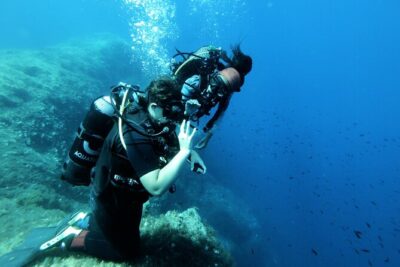
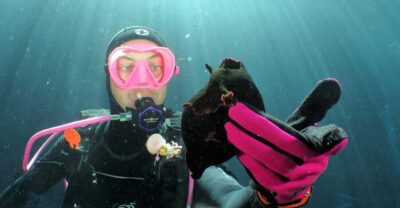
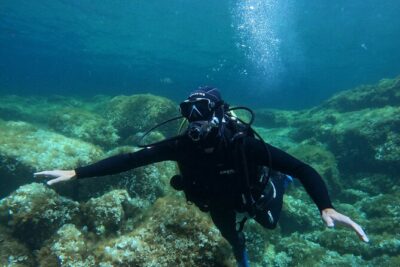
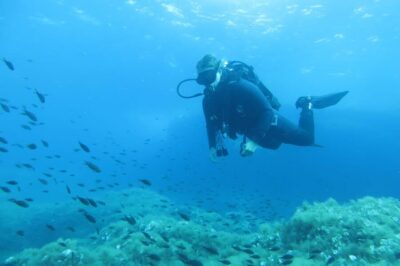
After the confined-water practice, the course moves into 2 open-water sessions. The training happens in a marine park, and the conditions are described as calm and clear. That matters a lot for beginners. You want visibility and predictable water movement so you can focus on technique instead of fighting the environment.
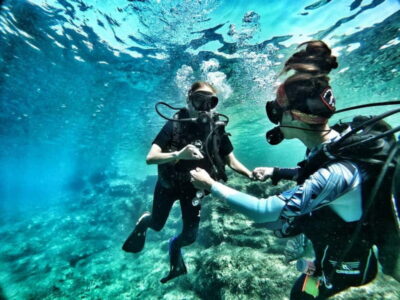
This is also where you get the thrill people remember. You’re not just wearing scuba gear. You’re breathing underwater for real, with an instructor nearby. That moment can feel surreal, even if you studied the theory the night before.
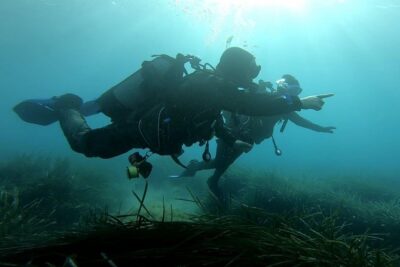
You’ll progress through skills and sessions during the day, eventually reaching up to 12 meters with the instructor. For a beginner course, that’s a meaningful milestone. It’s far enough to feel like true scuba, but still within a structured beginner plan.
One more thing I appreciate is the transfer plan. The team drives to the training site. That reduces friction on your day. You’re not hunting for the right spot, and you’re not burning vacation time on logistics.
Other ways to spend a sunny hour in Mellieha
- Mellieha: Popeye Village Entry Ticket★ 4.6 · 2,070 reviews
- Mellieha: Popeye Village Malta Filmset Entry Ticket★ 4.6 · 1,802 reviews
- Comino & Gozo: Blue & Crystal Lagoons Cruise with Sea Caves★ 4.8 · 1,536 reviews
- Malta National Aquarium Entrance Ticket★ 4.0 · 643 reviews
- Mellieha: Popeye Village with Optional Private Transfers★ 4.6 · 551 reviews
Gear, Tank, and the Comfort Details That Make or Break It
This course includes the gear you need, and for beginners, that’s a huge value point. You don’t have to gamble on the wrong mask fit or buy equipment you’ll barely use.
Included gear list:
- wetsuit
- mask
- fins
- octopus
- weights
You also get:
- a scuba tank filled to 200 bar for your sessions
- an underwater computer
- a full setup of what you need for the water
What I like about this approach is it removes the “gear anxiety” factor. In your first training day, you want to focus on breathing, posture, and simple skills. When the equipment is provided and suited to your course, you can trust the basics are covered.
The included transfer to and from the training spots also helps. In Malta, you might be staying somewhere scenic but far from the water. Having transportation handled keeps the day from feeling like a rushed scramble.
Instructor Attention in a Group of 8
Small group scuba training is where you feel the difference. The course limits participation to 8 people, and that translates to more time with your instructor, clearer feedback, and less waiting around.
The instructors are PADI certified, and languages include English, French, German, Italian, and Spanish. That’s a practical detail, especially if you want to be sure you understand safety instructions word for word.
In the review I read, Ryan praised his instructor as patient, experienced, and encouraging. He also said the instructor balanced safety, skill-building, and fun in a way that kept him supported throughout. That is exactly what a beginner course should aim for, and it’s a good sign that the center operates with an eye for both competence and morale.
What You Earn, and How It Helps You Next
At the end of the course, you earn a PADI scuba certification recognized worldwide. It’s called the Scuba Diver certification level in the course description, and it’s the kind of credential that makes it easier to continue later without starting from scratch.
You’re also halfway toward completing the PADI Open Water Diver certification. In real terms, that means you can build on your foundation without repeating everything from zero. So if you’re the type who wants to keep scuba as a hobby while traveling, this format is a smarter first step than trying to do random one-off experiences.
If you’re unsure whether you’ll enjoy it, you also get a clean answer. You’ll learn basic skills, do confined and open-water sessions, and feel what the underwater world is like. You’ll know if you want the next level afterward.
Price and Value: Is $494 Worth It?
At $494 per person, this is not a budget activity. But value in scuba training is about more than cost. You’re buying a guided skill progression, certified instruction, and a complete package of equipment and logistics.
Here’s what you’re getting for that price, based on the included items:
- Online theory lessons (3 lessons plus guided chapter work)
- 3 confined-water practice sessions
- 2 open-water sessions
- A certified PADI instructor
- Gear provided (wetsuit, mask, fins, octopus, weights)
- Scuba tank at 200 bar
- Underwater computer
- Transfers to and from training sites
- PADI registration fee and certificate
What’s not included:
- food and drinks
- pickup and drop-off
For a beginner, the included gear and instructor-led training are the big value drivers. Buying or renting gear separately, then paying for instruction, can quickly add up. Here, the structure is clear and all essential components are covered.
My practical take: if you want a guided, structured intro that ends with an internationally recognized credential, the price makes sense. If you’re only curious and want a “try it once” experience, this might feel like overkill.
Who This Malta Scuba Intro Suits Best
This course is built for people who want a real certification foundation during a holiday, not just a one-time novelty outing.
You should consider it if:
- you want a globally recognized PADI certificate
- you like structured learning with an instructor close by
- you’re comfortable completing online theory before the water day
- you want to progress later toward Open Water
It’s not suitable for:
- children under 10
- non-swimmers
- people with respiratory issues
Also, if you’re anxious, don’t assume you can’t do it. The format uses confined-water practice first, then open-water sessions in calm, clear marine park conditions. That pacing is designed for beginners.
What to Bring (And How to Stay Comfortable)
The course lists a simple packing set. Bring:
- swimwear
- towel
- water
That’s it. No endless gear checklist. For comfort, I’d also make sure you have a change of clothes ready after the training day, since you’ll be in a wetsuit. But since that extra clothing detail isn’t listed in the course info, keep it as general common sense rather than a course requirement.
Plan for a day where you’ll go from classroom style learning (online) to hands-on skills practice (in the water). Keep your schedule relaxed around the training day so you don’t feel rushed.
Should You Book This OrangeShark Malta Beginner Program?
If your goal is a guided beginner scuba certification experience in Malta, I think this is a strong choice. The training model is clear: online prep, confined-water skill building, then open-water sessions in calm marine park conditions. You leave with a PADI certification and a path toward the next level.
Book it if you want:
- a small group with instructor attention
- included gear and tank
- training up to 12 meters within a structured plan
- the confidence boost that comes from learning skills, not just watching
Skip it if:
- you do not want to do online theory chapters ahead of time
- you’re not able to swim
- you have respiratory issues that make the course unsuitable
If you’re on the fence, remember what the best review stressed: professionalism, supportive instruction, and a genuine welcome. For a first scuba certification experience, those qualities are not fluff. They decide whether your first underwater breaths feel exciting or stressful.
Just landed: new Mellieha pages




Scuba Diving, compared.
First scuba diving experience with instructor – Malta
Read our review →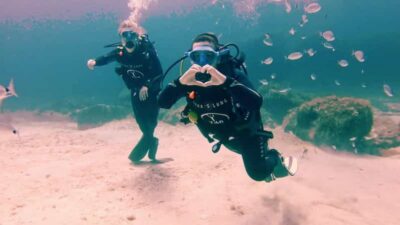
Browse the lists this tour appears in