
Reviewed · MDINA & THE SILENT CITY
Mdina and Rabat Tour with a local licensed guide
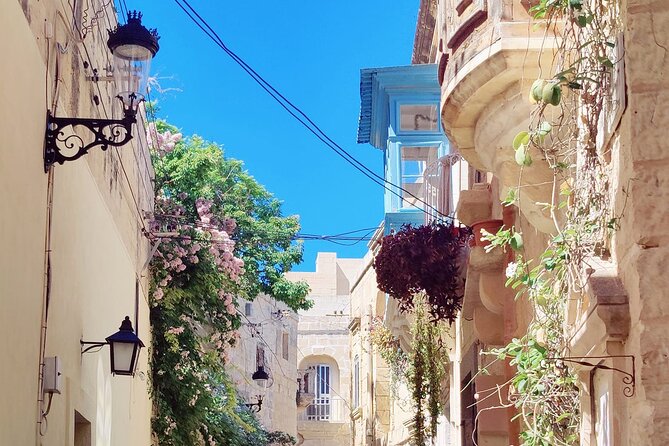
Mdina can feel like a movie set. In this 2-hour walk, you move from Mdina to Rabat with a fully licensed local guide who turns quiet stone streets into clear, human stories. I especially like the small-group size, which makes it easy to ask questions and keep a relaxed pace. I also like that you get two towns in one outing, so you start to see how Malta’s history shifts from fortified calm to everyday local life.
The one possible drawback is the walking. You’ll be moving through narrow streets for about an hour in Mdina and about an hour in Rabat, and the tour asks for moderate physical fitness. If you prefer long breaks or step-by-step navigation, plan for a slower rhythm with comfy shoes.
In This Review
- Key Highlights You’ll Actually Feel
- Why Mdina and Rabat Work So Well in a Half-Day
- Your Walking Route: Mdina Gate to Rabat’s End
- Mdina Streets: Palaces, Churches, and Tiny Details With Big Context
- A small consideration for Mdina
- Rabat Streets: Charm, Character, and the Malta You Feel
- St. Catald Catacomb Finish: Ending in the Right Place
- The Licensed Guide Factor, and Why It Shows Up Fast
- A note on meeting delays
- Price and Value: Is $66.26 for Two Towns Reasonable
- Timing, Transport, and What to Plan Around
- Quick Fit Check: Who This Tour Suits Best
- Should You Book This Mdina and Rabat Guided Walk?
- FAQ
- How long is the Mdina and Rabat tour?
- What’s included in the price?
- Where does the tour start and where does it end?
- What time does the tour begin?
- How big is the group?
- Is the tour in English, and are service animals allowed?
- Are gratuities included, and can I get a full refund if I cancel?
Key Highlights You’ll Actually Feel
- Small group, big Q and A: Maximum of 10 travelers, so your guide can slow down when you’re curious.
- Two towns in 2 hours: You get Mdina’s enclosed atmosphere, then Rabat’s charm and character.
- Licensed, English-language guidance: A fully licensed guide delivering the tour in English.
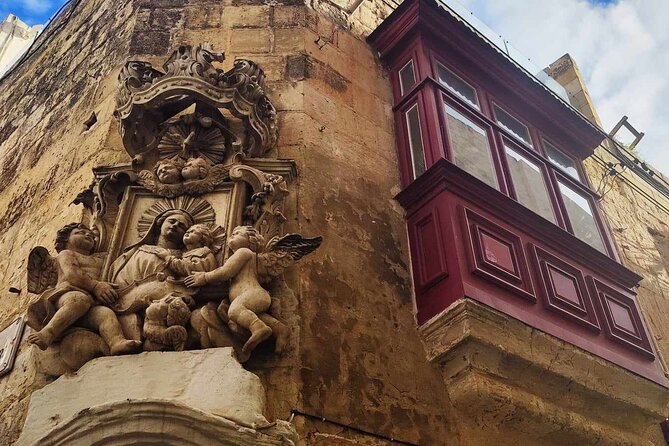
- Surprise details along the way: Expect stories that go beyond the obvious sights, like the underground church and the Foundling Wheel.
- Easy to plug into your day: You start at Mdina Gate at 10:00 am and finish in Rabat, ready for lunch.
- Photo-friendly corners: Mdina’s streets and Rabat’s viewpoints are built for great shots without rushing.
Why Mdina and Rabat Work So Well in a Half-Day
Mdina is the kind of place where the walls and silence do half the storytelling for you. Rabat is where that story starts feeling lived-in again, with more everyday texture, more variety, and plenty of corners that reward slow attention.
What I like about this tour format is that it respects your time. Two hours is long enough for meaningful context, but short enough that you’re not trapped in a full-day plan when your feet want a breather. You also end in Rabat, which is practical. You’re not forcing yourself to backtrack, and you can keep exploring right after the walk.
And because the tour runs with a maximum of 10 people, you won’t be stuck shouting over a crowd. You can ask real questions, like why buildings look the way they do or how life in these towns changed over time.
More of Mdina and the Silent City:


Your Walking Route: Mdina Gate to Rabat’s End
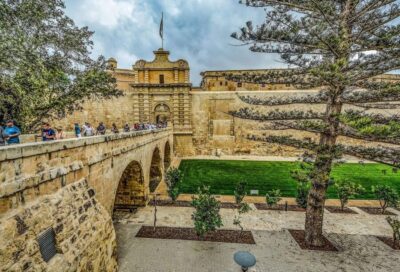
The tour starts at Mdina Gate (near VC M3+V9W, Mdina) at 10:00 am. Your guide leads you through about an hour of Mdina’s narrow, winding streets, then about an hour in Rabat.
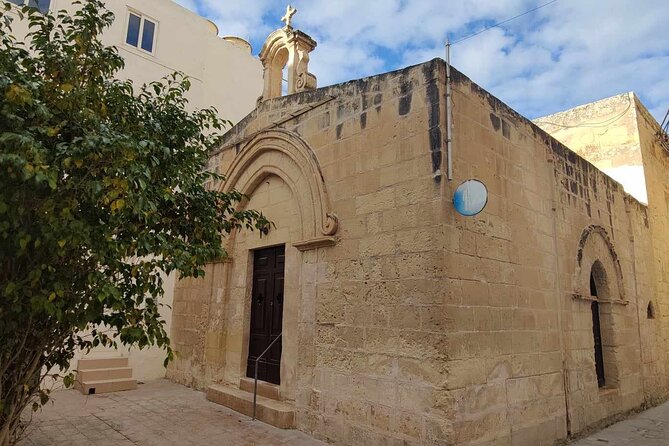
You finish at St. Catald Catacomb (V9JX+P65, Bir Ir-Riebu, Ir-Rabat). That matters because it helps you plan the rest of your day. If you want to grab a coffee or lunch in Rabat, you’re already in position instead of hopping back toward Mdina.
This is also a simple tour to join on a schedule. The meeting point is described as near public transportation, which helps if you’re not driving or if your hotel is elsewhere on the island.
Mdina Streets: Palaces, Churches, and Tiny Details With Big Context
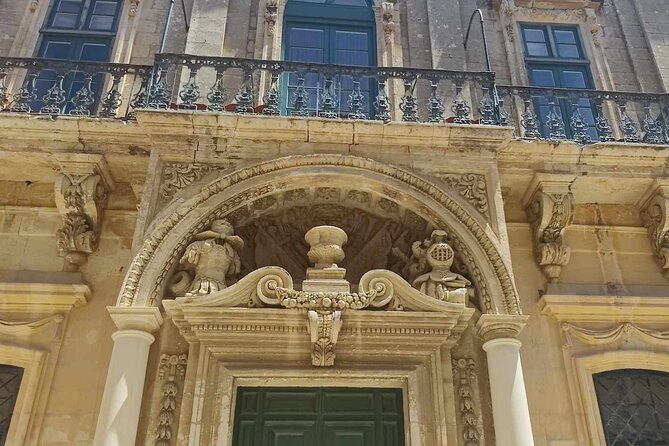
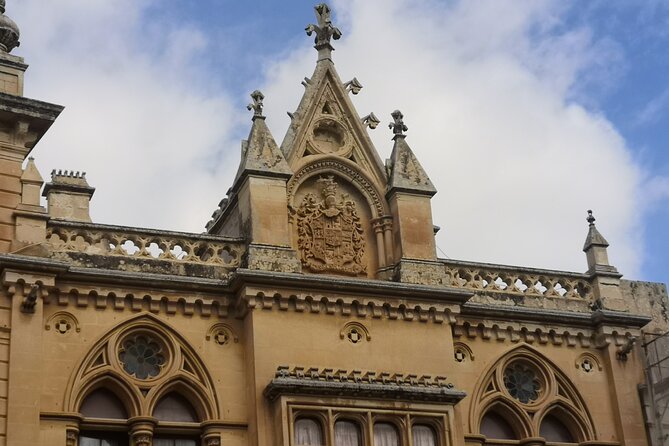
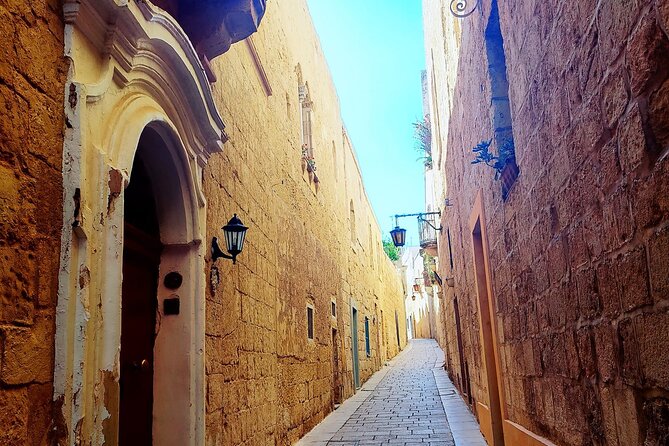
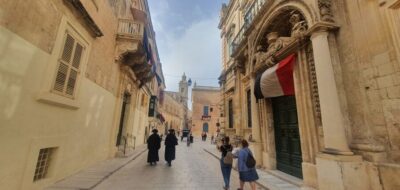
Mdina is all about atmosphere. Even if you’ve seen photos, walking those narrow lanes in person hits different. You’ll spend about an hour here, guided through key palaces, churches, and other notable spots, but with a focus on what the buildings meant and who used them.
The best part is that the stories aren’t just dates on a timeline. The tour style is the kind that helps you read the place as you walk. One minute you’re looking at a facade, the next you understand what that location connects to in Malta’s larger past.
I also like how Mdina’s enclosed layout naturally slows you down. There’s less temptation to run around randomly, so you’re more likely to notice details, like how entrances, courtyards, and street turns shape movement. That’s where a licensed guide earns their keep, because they point out the “why,” not just the “what.”
And if you’re the type who enjoys specific cultural references, this is a solid match. At least one past experience shared that the guide adapted for a Game of Thrones fan and even worked soundtrack requests into the walk. That’s the kind of personalization that can make a historic town feel fresh instead of scripted.
A small consideration for Mdina
Mdina’s streets are narrow. The tour is set for moderate physical fitness, so come ready for steady walking and a bit of uneven footing. If you bring a mobility aid or you get tired quickly, you may want to plan extra time and communicate your needs to the guide at the start.
Rabat Streets: Charm, Character, and the Malta You Feel
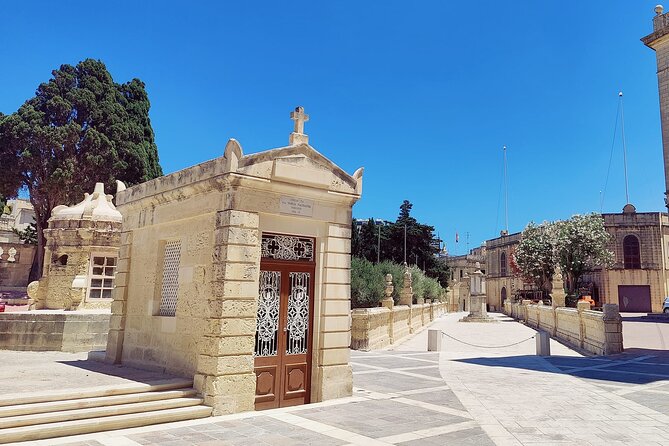
After Mdina, the tour shifts to Rabat for about one hour. Rabat has a different energy. You still get history, but it feels more woven into daily life, and that makes the contrasts really click.
This is where the guide’s storytelling can add layers fast. You’ll likely hear about places tucked out of sight and lesser-known features that you could easily miss if you were wandering alone. From shared experiences, I’d keep an eye out for mentions like the underground church and the Foundling Wheel, including the detail that the Foundling Wheel was placed in a hospital wall in the 1500s so mothers could deposit unwanted babies.
That kind of detail is heavy, but it’s also exactly the point of guided walking tours. It turns a site from a photo into a human story, and suddenly you understand why a town’s layout and landmarks matter.
Rabat also shows up well in conversations about everyday traditions. One example shared that the guide pointed out a church connected to the blessing of pets. If that’s part of what you care about, you’ll be glad this tour doesn’t treat religion and culture as background wallpaper.
And if you’re traveling during any sort of local event, you may catch explanations that help you make sense of what’s happening. One past outing included a local festival, with the guide walking through what people were doing and why.
Other ways to spend a sunny hour in Malta
- Valletta: Guided City Walking Tour★ 4.8 · 1,256 reviews
- Valletta: Guided Walking Tour with Optional Cathedral Tour★ 4.3 · 758 reviews
- Valletta: Maltese Food and Drink Guided Walking Tour★ 4.7 · 601 reviews
- From Malta: Gozo Full-Day Tour with Guide, Temples, & Train★ 4.1 · 567 reviews
- Mdina and Rabat: Guided City Walking Tour★ 4.8 · 549 reviews
St. Catald Catacomb Finish: Ending in the Right Place
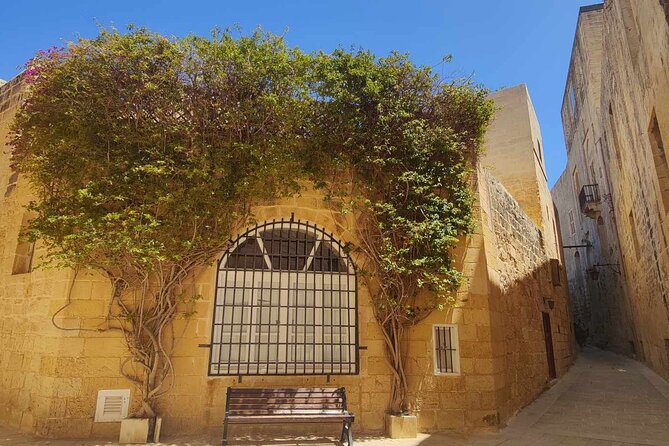
Your tour ends at St. Catald Catacomb. The key practical benefit is location. You finish in Rabat rather than going back to Mdina Gate, which makes it easier to keep your day smooth.
Even if you do not immediately head into the catacombs, ending near that area gives you a natural next option. You can decide on the spot whether you want to continue exploring underground history or switch to a slower meal.
From a planning standpoint, finishing at a named landmark is a gift. It keeps your sense of direction clear when you’re stepping out into a new neighborhood.
The Licensed Guide Factor, and Why It Shows Up Fast
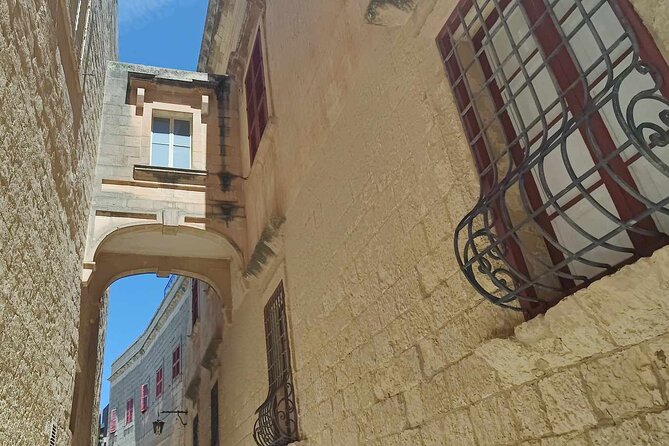
This tour includes a fully licensed guide. That sounds like a checkbox, but on a historic-walking tour it becomes the difference between a “look at that” stroll and a “now I get it” experience.
One thing that repeatedly shows up in positive feedback is the sensible pace. On a guided walk like this, pace is everything. Slow enough to answer questions. Not so slow that you lose the point of the itinerary.
Another big win is responsiveness. If you ask something mid-walk, you’re not made to feel like you’re interrupting. The tour format supports adaptation to interests, and that flexibility can turn a generic history talk into a personally relevant hour.
And because the group max is 10, your questions are more likely to land cleanly. You’re not being processed through a script.
A note on meeting delays
If your bus or transport is late, this matters. One shared experience described the guide waiting at the Mdina Gate meeting point even after a delayed arrival. Still, the best habit is simple: arrive a little early so you can settle in before the walk starts.
Price and Value: Is $66.26 for Two Towns Reasonable
The price is listed as $66.26 per person for about 2 hours. On paper, that might look like “just walking.” In practice, you’re paying for three things that are hard to DIY efficiently in Malta:
First, you’re buying context. Mdina and Rabat both reward interpretation, and a licensed guide is how you get it without spending your day reading wall plaques.
Second, you’re buying time. Two hours is a tight window, and the guide keeps the route moving so you see both towns rather than getting stuck on one.
Third, you’re buying comfort in logistics. A mobile ticket is included, it’s in English, and the tour is structured with a clear start and end point.
Also, the booking pattern shows strong demand, with the tour often booked about 95 days in advance. That’s not a promise, but it’s a signal that this is a popular way to get your bearings. If you’re traveling in peak season, booking early is smart.
If you’re traveling with friends, the listing also mentions group discounts. If that applies to your situation, it can make the per-person cost drop further.
Timing, Transport, and What to Plan Around
You start at 10:00 am at Mdina Gate. That’s a good time for walking because you’re getting into the towns early, before the day feels crowded. It also helps if you want to build a lunch plan in Rabat after the tour ends.
The tour is near public transportation, which makes it easier to fit into a broader Malta plan. If you’re using ride apps, one practical tip shared is that getting to and from Mdina by rideshare can be straightforward and not wildly expensive. Treat that as a “might be handy” option, not a guarantee.
For your own comfort, plan for walking on narrow streets. Bring water if it’s warm, and wear shoes you trust on uneven stone. This is a moderate fitness walking tour, so you should feel fine, not wrecked.
And if you’re traveling with kids, note that children must be accompanied by an adult. Service animals are allowed, which is good to know if you have a companion animal.
Quick Fit Check: Who This Tour Suits Best
This tour is a great match if you want Malta in story form, not just sightseeing form. You’ll like it if you enjoy architecture, churches, and the “why” behind buildings and traditions. It also suits solo travelers who like small groups where you can actually talk instead of just listening.
It’s also a good choice if you’re short on time. Two hours gives you a strong introduction to both towns, and finishing in Rabat makes it easy to keep going.
Where it may not be perfect is if you’re extremely sensitive to walking time or if you want a slower, longer sit-down tour. The pacing is built for movement, so you should choose it when you want a guided walk rather than a leisurely afternoon.
Should You Book This Mdina and Rabat Guided Walk?
If you want a clean, high-impact introduction to Malta’s most iconic paired towns, I think this is a smart book. The fully licensed guide, the English narration, and the small group size turn the walk into a real learning experience without eating your whole day.
Book it if you care about details and stories, including unusual features like the underground church and the Foundling Wheel. Also book it if you like the idea of ending in Rabat so you can eat and explore right after.
I’d skip it only if you need a lot of mobility breaks or you hate walking narrow historic streets. Otherwise, it’s a solid value for a structured two-town visit.
FAQ
How long is the Mdina and Rabat tour?
The tour lasts about 2 hours.
What’s included in the price?
A fully licensed guide is included.
Where does the tour start and where does it end?
It starts at Mdina Gate in Mdina and ends at St. Catald Catacomb in Ir-Rabat, Rabat.
What time does the tour begin?
The start time is 10:00 am.
How big is the group?
The tour has a maximum of 10 travelers.
Is the tour in English, and are service animals allowed?
The tour is offered in English, and service animals are allowed.
Are gratuities included, and can I get a full refund if I cancel?
Gratuities are not included. You can cancel up to 24 hours in advance for a full refund.
Just landed: new Malta pages





Mdina & the Silent City, compared.
Highlights of Malta & Mdina Full Day Tour with Lunch
Read our review →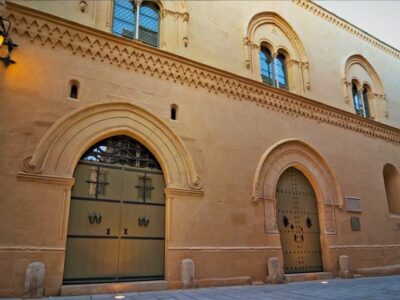
Mdina, Dingli Cliffs and San Anton Botanical Gardens
Read our review →


Mdina and Rabat Walking Tour inc. Catacombs and St. Paul’s Grotto
Read our review →Browse the lists this tour appears in