
Reviewed · VALLETTA EXPERIENCES
Valletta: The Malta Experience & Tour of Sacra Infermeria
You go from prehistoric Malta to WWII in one tightly paced show, then walk into the Knights of St John hospital ward. I love how this experience gives you a clear timeline fast, and then lets you see why Valletta was built in the first place. A smart heads-up, though: the main attraction uses headset audio, and there have been a few headphone glitches, so it’s worth arriving ready to troubleshoot.
For the Malta Experience part, I like the panoramic screen with an outstanding music soundtrack and the option for commentary in 17 languages. I also like the follow-up Sacra Infermeria guided tour, because it turns names and events into a place you can stand inside. The one possible drawback is that the infermeria tour can feel a bit short since the building is also a working site, so the pacing may not satisfy people who want maximum time in every room.
In This Review
- Quick highlights that make this worth your time
- Start in Valletta, then 7,000 years on a panoramic screen
- What the show covers, and why the timeline helps you sightsee better
- Prehistory to early settlers
- Wave after wave of invaders and colonisers
- St Paul’s dramatic arrival and Christianity’s spread
- Knights of St John: rise, rule, and the Great Siege
- Napoleon, British rule, and WWII on Malta
- The Mediterranean Conference Centre role: more than a theatre
- Sacra Infermeria: Europe’s long hospital ward, guided in plain human terms
- What you’ll notice during the tour
- The main timing consideration
- Headsets, language choice, and the one thing to double-check
- Skip the ticket-line energy, and plan your 1.5 hours
- A small logistics tip
- Value check: why $24 feels fair for the experience you get
- Who should book this in Valletta, and who should skip
- Practical rules you should know before you go
- Should you book the Malta Experience and Sacra Infermeria tour?
- FAQ
- How long is the Malta Experience and Sacra Infermeria tour?
- What is included in the ticket price?
- Is English available during the show?
- Can I choose other languages besides English?
- Is the venue wheelchair accessible?
- Are food and drinks allowed inside?
- Is photography or video allowed inside?
- Is there free cancellation?
Quick highlights that make this worth your time
- Panoramic 7,000-year Malta timeline told in a way that sticks, with music doing half the work
- Headset commentary in 17 languages, so you can choose what you understand best
- St Paul’s arrival and the spread of Christianity is a standout moment in the story
- Knights of St John, the Great Siege of 1565, and the building of Valletta are connected clearly
- Sacra Infermeria tour in Europe’s longest hospital ward built by the Knights of St John
- Guides named Anna and Angele stand out in reviews for being animated, friendly, and question-friendly
Start in Valletta, then 7,000 years on a panoramic screen
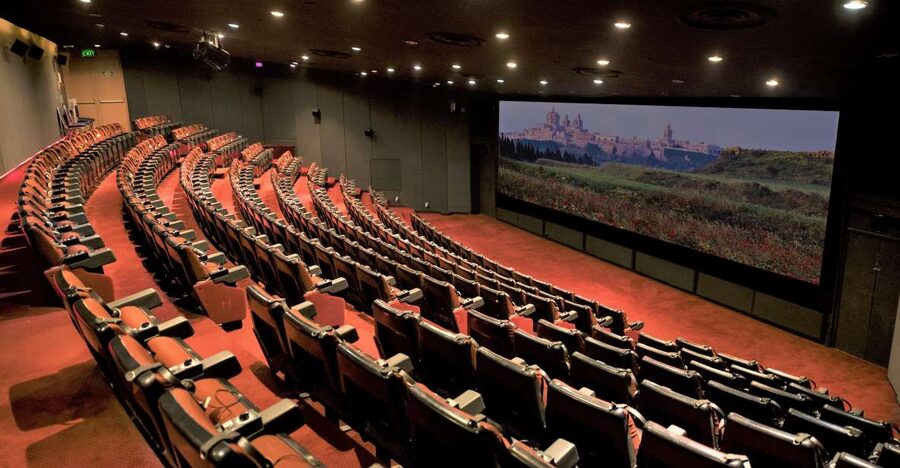
The Malta Experience takes place in Valletta, inside a purpose-built theatre at the Mediterranean Conference Centre. The setting matters. You are not just watching history on a wall, you’re watching it in a dedicated venue designed for audio-visual storytelling, with the kind of presentation that makes busy Malta sightseeing days feel more organized.
The show itself plays on a large panoramic screen, supported by an outstanding music soundtrack and spoken commentary. You get the story through a headset, with commentary available in a choice of 17 languages. English is listed as available, and the experience includes an audio guide set for English language use.
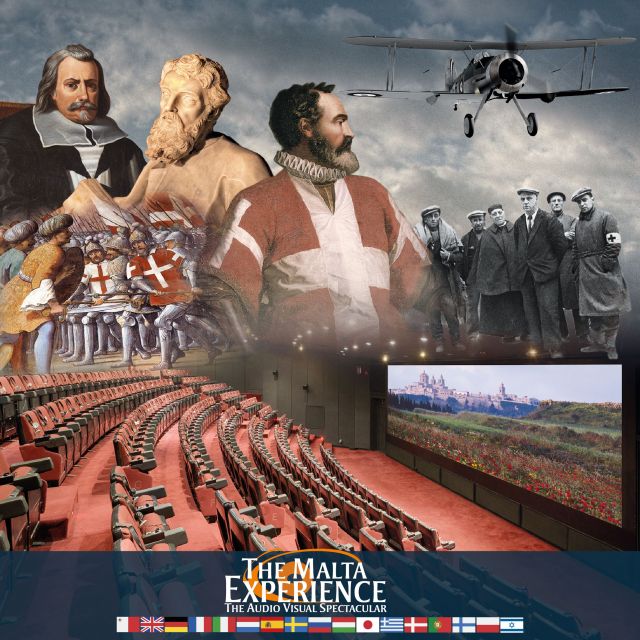
What you’ll learn is not a random greatest-hits tour. The production builds a sequence of arrivals and power shifts that explains why Malta looks the way it does today. It starts with the mysterious prehistoric inhabitants of Malta and Gozo, then moves through wave after wave of invaders and colonisers. That structure is helpful because it gives you a mental map while you’re walking around Valletta later.
Other ways to spend a sunny hour in Valletta


What the show covers, and why the timeline helps you sightsee better
Most visitors come to Malta for stone, views, and churches. This show adds something practical: context. When you understand the sequence of rule and conflict, the city starts making sense. Valletta’s fortifications, its major religious sites, and even the tone of the architecture all connect back to events the show lays out.
Here’s how the story flows, and why each chapter matters:
Prehistory to early settlers
The opening focuses on prehistoric Malta and Gozo. Even if you’re not a hardcore archaeology person, it’s useful because it frames Malta as a place that has attracted people for thousands of years, not just centuries.
Wave after wave of invaders and colonisers
After prehistory, the show shifts into motion. You learn how successive groups shaped Maltese character and identity. This is the part that can feel like a lot at once, but the music and pacing keep it from turning into a lecture.
St Paul’s dramatic arrival and Christianity’s spread
A highlight is St Paul’s arrival in Malta and how Christianity spread afterward. This matters because Malta’s religious history is everywhere once you start noticing it, and it’s much easier to follow when you have the story anchored in your head.
Off the same quay, a different boat:
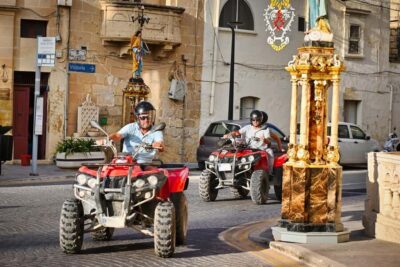
- From Malta: Full-Day Gozo Quad Tour with Lunch and Boat Ride★ 4.8 · 1,419 reviews
- Valletta: Guided City Walking Tour★ 4.8 · 1,256 reviews
- Valletta: Street Food and Culture Walking Tour★ 4.8 · 1,251 reviews
- Gozo Full-Day Jeep Tour with Private Boat to Gozo & return★ 4.5 · 1,048 reviews
- Valletta: City Walking Tour in a Small Group★ 4.9 · 957 reviews
Knights of St John: rise, rule, and the Great Siege
Then the Knights of St John take center stage, ruling for about 250 years. The show highlights their rise and fall, and it covers the horrors of the Great Siege of 1565, along with the building of Valletta.
This is the chapter that helps you understand why Valletta is not just pretty. It’s strategic. It was built in response to conflict and defense needs, and that shows up when you walk the streets.
Napoleon, British rule, and WWII on Malta
The show continues with Napoleon and the imposition of British rule. It then reaches the Second Great Siege and the pressure of World War II, focusing on how the population endured.
If you’ve been to other European cities with wartime memories, you’ll recognize the emotional arc, but Malta’s story is distinctive because it’s tied to islands, sieges, and long-term survival.
The big value here is that you walk out with a timeline you can actually use. That makes your next stops less random. You’re not just seeing buildings, you’re placing them.
The Mediterranean Conference Centre role: more than a theatre
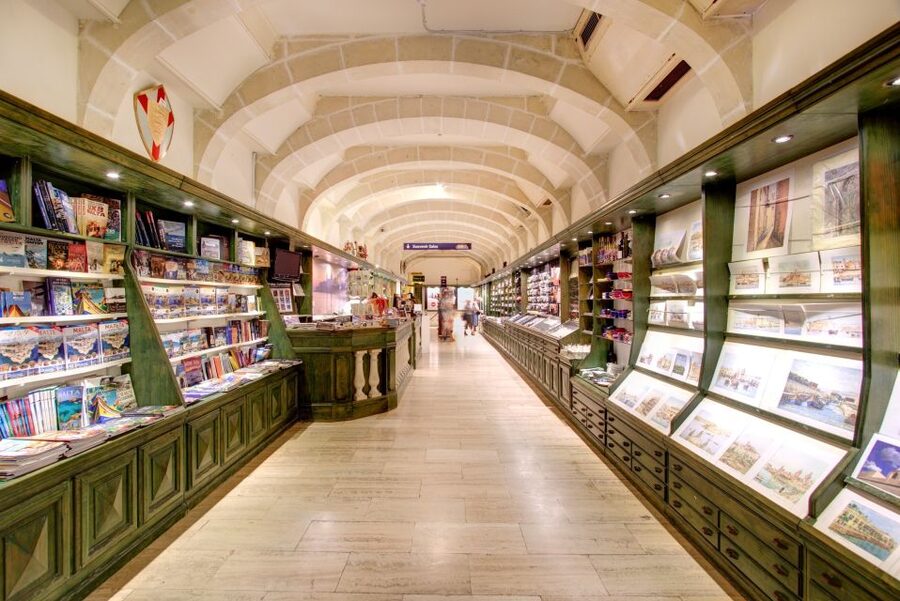
The Malta Experience takes place in a purpose-built theatre within the Mediterranean Conference Centre. That venue has a big bonus layer: it was formerly the Holy Infirmary of the Order of St John of Jerusalem, also known as La Sacra Infermeria.
So even before you get to the guided part, you’re already in the right atmosphere. The follow-up tour is not an unrelated add-on. It’s tied to the building’s identity.
In other words, the “show” and “tour” pair well. One gives you the big story, and the other takes you into the physical evidence of how the Knights lived, served, and organized care.
Sacra Infermeria: Europe’s long hospital ward, guided in plain human terms
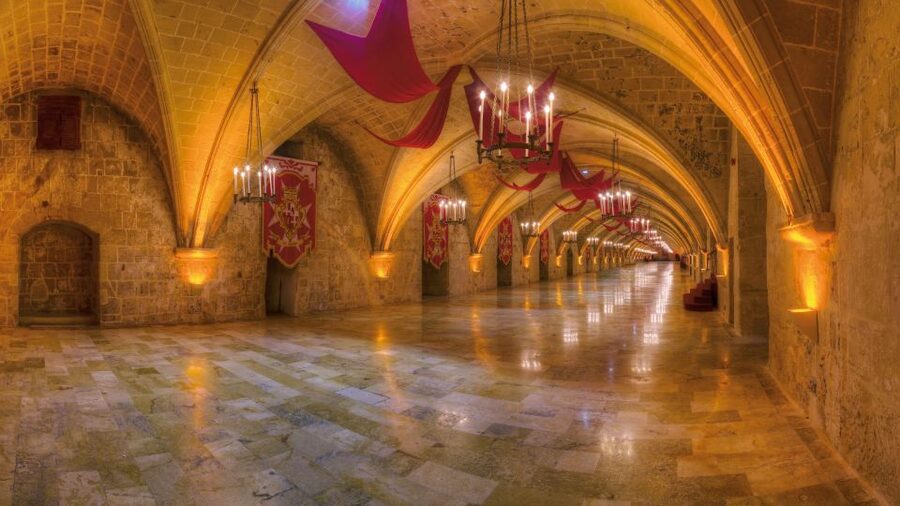
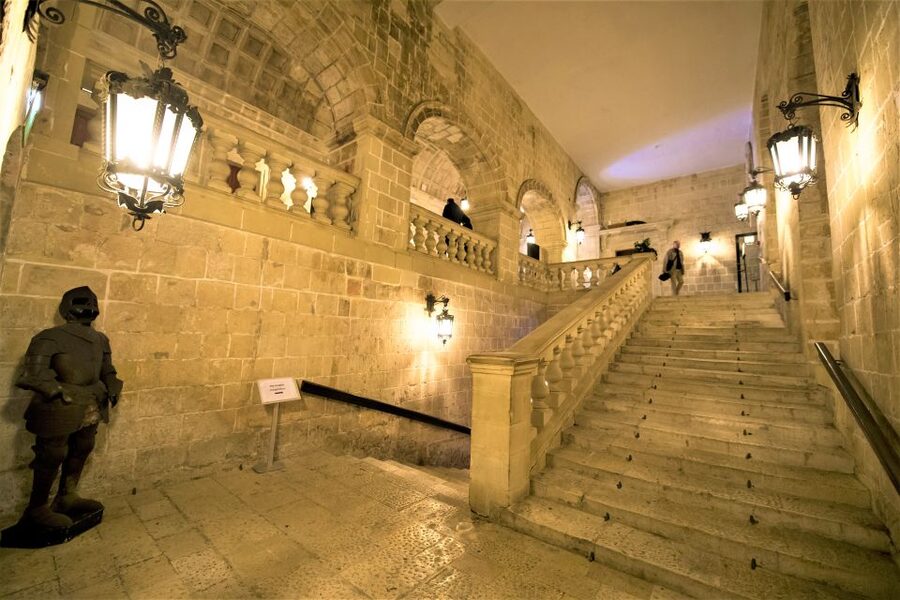
After the audio-visual show, you get a fully guided tour of the Mediterranean Conference Centre, focusing on the Sacra Infermeria, the Holy Infirmary. This building is described as Europe’s longest hospital ward constructed by the Knights of St John.
This tour is one of the most imposing experiences you can have in Valletta if you care about the real, practical history behind the more famous facades. It’s not only about religious power or military strength. It’s also about healthcare, logistics, and how a major order organized long-term care.
What you’ll notice during the tour
While details of each room are not listed here, the overall emphasis is clear: the guide brings you through the grand spaces and the building’s function as a hospital. In reviews, the guides are repeatedly praised for making the site feel alive rather than just described.
Names you may hear in the feedback include Anna and Angele, both described as highly informative and engaging. One review also mentions a guide being friendly and willing to take questions, which is a good sign if you’re the type who asks follow-ups when something sparks your interest.
The main timing consideration
A couple of comments suggest the Sacra Infermeria tour can feel a little short. That makes sense when you think about the building operating as a place where people are working. If you like slow travel and want extended time in one room to absorb every detail, plan to complement this tour with other sites at your own pace afterward.
Still, as a first pass into the building, it’s a strong match. The guided format helps you understand what you’re seeing without needing to guess.
Headsets, language choice, and the one thing to double-check
The Malta Experience uses viewer headsets for commentary. You choose from 17 language options. English is available, and the experience includes English audio guidance.
This setup is great because it prevents the show from being a one-size-fits-all experience. But it also means your audio matters. There have been mentions of headphone problems in at least one account, where a viewer could miss parts of the audio until they used another set from a nearby seat.
My practical advice: when you start, do a quick audio check before the show really gets going. If something sounds off, flag it right away. Don’t wait until halfway through. The show’s pacing depends on audio and narration, so catching issues early saves your experience.
Skip the ticket-line energy, and plan your 1.5 hours
The total duration is listed as 1.5 hours. That’s a very manageable chunk in Valletta, especially because it combines two components: the audio-visual show plus the guided tour of Sacra Infermeria.
Also included is the ability to skip the ticket line. That’s not a small detail in Valletta. Lines can eat time, and this keeps you moving.
When you’re deciding whether to do it early or later, I’d lean toward doing it earlier in your trip. You’ll get the timeline, then you’ll be better at reading the city. Doing it mid-trip still works, but early helps you connect more dots.
A small logistics tip
One review mentions that the meeting instructions caused some confusion, with people waiting outside while expecting a guide. The practical fix is simple: follow the instructions on where to check in, and if anything feels unclear, go inside the ticket area rather than waiting in the open. Ask a staff member quickly, then get seated.
Value check: why $24 feels fair for the experience you get
The price is listed at $24 per person, and the experience runs about 1.5 hours. That’s good value when you consider you’re paying for two separate things inside one timeframe:
- A professionally produced audio-visual show that covers 7,000 years of Malta history.
- A guided tour inside an important Knights of St John hospital ward.
Compared to paying separately for tours that give only one slice of history, this one gives you a sequence, then a specific place. It’s the kind of value that matters most to people who want structure rather than just wandering from stop to stop.
If you’re the type who loves history but doesn’t want to spend your whole day reading plaques, this is an efficient way to get grounded. If you only want slow guided walking tours and zero audio, you might find the show style less satisfying.
Who should book this in Valletta, and who should skip
This experience is a strong fit for:
- History-minded visitors who want a clear Malta timeline without spending hours assembling it
- People who appreciate a good narrative and music-driven presentation
- First-time visitors to Valletta who want to orient themselves fast
It’s less ideal if:
- You’re visually impaired, since the experience is listed as not suitable for visually impaired people
- You prefer maximum time inside one building over a short guided overview
- You want photography inside, because photography is not allowed inside the venues
On the brighter side, it’s wheelchair accessible, which is helpful if you’re traveling with mobility needs.
Practical rules you should know before you go
A few “know before you arrive” points can save hassle:
- No food or drinks inside
- No smoking indoors
- No video recording and no photography inside
- Wheelchair accessibility is available
- Visual impairment suitability is not listed as supported
If you’re used to snacking during tours, plan on eating before you arrive or afterward. And if you enjoy capturing photos, remember you’ll need to take pictures outside and during any portions of your day that allow it.
Should you book the Malta Experience and Sacra Infermeria tour?
I’d recommend booking if you want a history orientation in a compact time window. The combination is the selling point: the Malta Experience gives you the timeline, then the Sacra Infermeria tour shows you the Knights of St John’s hospital legacy in a real, dramatic setting. At $24 for about 90 minutes, it’s one of the better “useful history per hour” choices in Valletta.
I would hold off if you dislike headset-based shows, if you’re sensitive to audio issues, or if you specifically want a long, room-by-room building exploration. For most visitors who want a smart start to their Valletta sightseeing, this is an easy yes.
FAQ
How long is the Malta Experience and Sacra Infermeria tour?
The total duration is listed as 1.5 hours.
What is included in the ticket price?
The experience includes the Malta Experience audio-visual show and a guided tour of the Sacra Infermeria (the Holy Infirmary) at the Mediterranean Conference Centre.
Is English available during the show?
Yes. The commentary/audio guide is available in English.
Can I choose other languages besides English?
Yes. The show’s commentary is available in a choice of 17 languages, selected via the viewer headset.
Is the venue wheelchair accessible?
Yes. The experience is listed as wheelchair accessible.
Are food and drinks allowed inside?
No. Food and drinks are not allowed.
Is photography or video allowed inside?
No. Video recording and photography inside are not allowed.
Is there free cancellation?
Yes. Free cancellation is listed, with cancellation allowed up to 24 hours in advance for a full refund.
Just landed: new Valletta pages

Valletta Experiences, compared.

Full-Day Gozo UTV Tour with Lunch and Boat Ride
Read our review →
Full-Day Gozo Quad Tour with Lunch and Boat Ride
Read our review →
Gozo Full-Day Jeep Tour with Private Boat to Gozo & return
Read our review →
Browse the lists this tour appears in