
Reviewed · HISTORICAL TOURS
The Dark History of Valletta – Walking Tour
Valletta has a darker side. This 2-hour Dark History of Valletta walk through old alleys, grim legends, and real archival material led by Mario of Dark Malta Tours.
I love the way the stories connect specific locations to big themes like power, obsession, and fear. I also like that you are not just hearing ghost talk, you are getting accounts backed by dusty archives, old newspapers, and rare books.
One thing to plan for: Valletta has hills and some steps, so you need a reasonable fitness level.
In This Review
- Key highlights from The Dark History of Valletta walk
- Why this Valletta tour feels different from standard sightseeing
- Meet at Triton Fountain, then move into the quieter streets
- Who Mario is, and why his research style matters
- Jean de Valette and the founder story you likely did not expect
- The Oliver Starkey haunting, and why a legend from the 1990s hits differently
- The lovesick letter and the timeline of obsession
- The church story about boys, and why the city’s sacred spaces feel different
- Walking the hills and steps: the only real logistical catch
- Price and value: $25 for a research-heavy storytelling walk
- Who this tour suits best
- Should you book The Dark History of Valletta walking tour?
- FAQ
- FAQ
- How long is the Dark History of Valletta walking tour?
- How much does the tour cost?
- Where does the tour start?
- Who is the guide?
- What language is the tour in?
- Is the tour suitable for people with low fitness?
- What type of stories will I hear?
- Can I cancel or change my plans?
Key highlights from The Dark History of Valletta walk
- Back streets first, not the postcard routes
- Ex-BBC journalist Mario shares stories with research, humour, and clear insight
- Dusty archives, old newspapers, rare books give the spooky tales weight
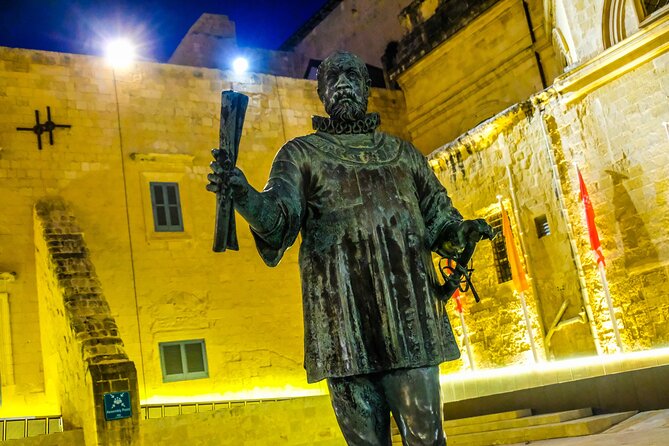
- Jean de Valette angle: the founder’s relationship with Malta is presented in a darker light
- 16th-century ghost story tied to a house that supposedly caused trouble in the 1990s
- A church tale about hundreds of boys and a night that ended badly
Why this Valletta tour feels different from standard sightseeing
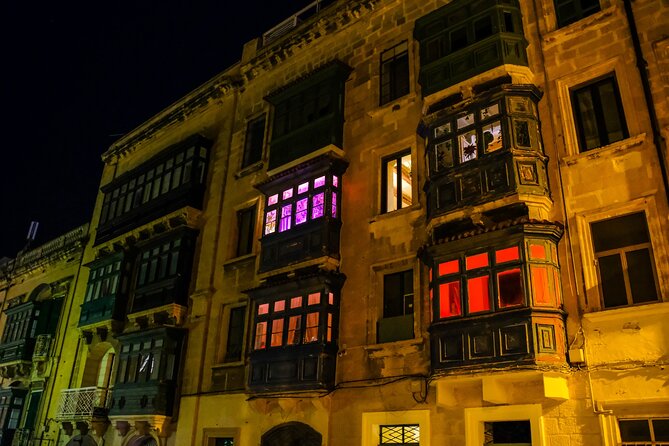
Valletta looks neat from far away, all light stone and grand squares. Up close, it is a city built on ambition, conflict, and consequences. This tour leans hard into that side. The result is not just spooky entertainment. It is a way of reading the streets like a document, where every turn can be tied to a story about people who caused harm, loved too fiercely, or paid the price.
The pitch is simple: you explore the back streets of the capital and hear tales of the terrible and strange that guidebooks usually skip. The tone is also important. Mario is an ex-BBC journalist, and you can feel that in the way he presents things, using dusty archives, old newspapers, and rare books rather than vague rumor. You get humour mixed with seriousness, which helps the stories land without becoming a grim lecture.
At $25 per person for a 2-hour walk, the value comes from the source material and the guide. You are paying for a researched storyteller with time on foot, focused on one place: Valletta. If you want a standard highlights tour, this is not that. If you like place-based storytelling where the details matter, it is a good fit.
More Guided Walks in Valletta


Meet at Triton Fountain, then move into the quieter streets
The tour begins at the Triton Fountain, facing the City Gate area of Valletta. That is a smart starting choice because it puts you right where the city’s arrival energy is strongest. You get your bearings fast, and then you start turning away from the main flow.
You will notice early on that the walking focus is the back streets. Valletta’s charm is often described in sweeping terms, but the truth sits in the lanes. Narrow passages compress sound, shadows sit longer on the walls, and sudden stairways change your pace. That physical shift helps the stories feel more immediate. When a tale is tied to a specific house, a specific church, or a specific corner, the street texture matters.
A practical note: the guide dresses in black, with blood-stained trainers. That is part of the theatre, but it also means the tour has a clear mood from the first minute. If you do not like themed presentation, you might find it too stylized. If you enjoy that approach, it sets the stage perfectly.
Who Mario is, and why his research style matters
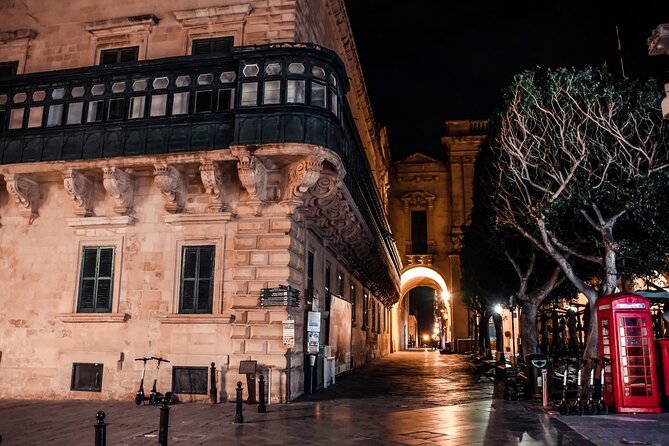
Mario is the guide for this experience. He is an ex-BBC journalist who has spent years researching the more unusual side of Maltese history. What you actually get is storytelling with structure.
He draws from dusty archives, old newspapers, and rare books. That matters because the tour’s themes are intense: murder, obsession, and the eerie legacy of legends. Without sources, those topics can feel like generic shock value. With archival material, the tales feel anchored, even when they are strange. You get the sense that the guide has dug for specifics, then shaped them into a 2-hour route you can handle on foot.
The humour also helps. Dark stories are easier to take in when the guide keeps breaking the tension just enough to keep your attention. You do not end the tour with a heavy head. You end it thinking about how the city’s architecture and street layout are part of the message.
Jean de Valette and the founder story you likely did not expect
A major thread is the founder of Valletta, Jean de Valette. The tour doesn’t just tell you the usual origin story. It presents an angle that he did not actually like Malta.
That twist changes how you look at the city you are walking through. If a founder is emotionally distant from the place he built, then the city becomes more than a love letter from one leader to one community. It becomes a statement made under pressure, shaped by strategy and survival. Valletta’s layout and power symbols start to feel less like romance and more like control.
For you, this is valuable because it gives context. Even if you are not a hardcore history person, you get a framework to understand why a city can look proud while still carrying darker undertones. You can walk the streets with a new question running through your head: who benefited, who suffered, and what did it cost?
The Oliver Starkey haunting, and why a legend from the 1990s hits differently
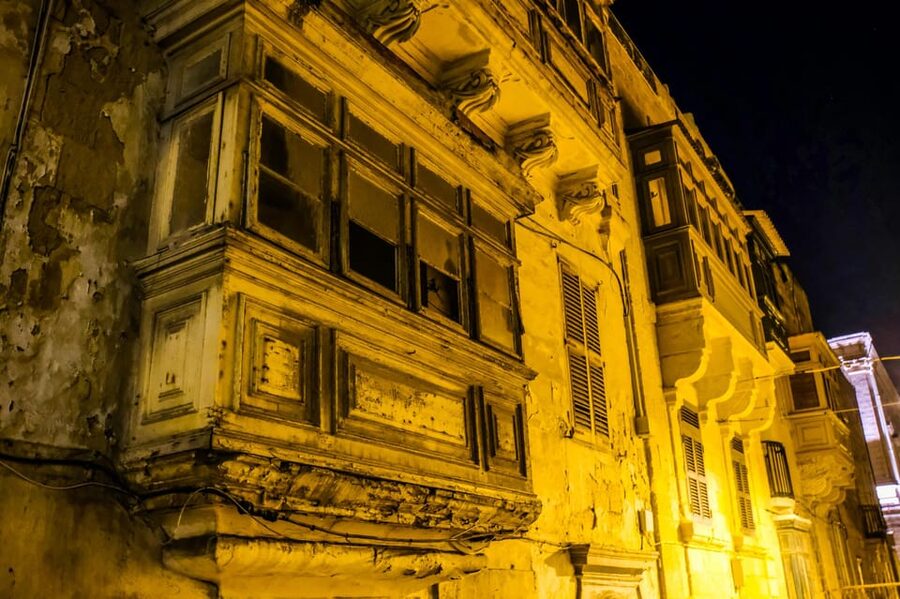
Another story centers on the ghost of a 16th-century knight, Oliver Starkey. The claim is that he haunted a house in the 1990s, and that he is still causing trouble there today.
At first, that sounds like pure folklore. But the effect is stronger when you think about it as an ongoing relationship between a city and its legends. Valletta is old, so you expect the past to stay in the past. This tour plays with that idea by linking the eerie energy to a much more recent time. The city’s shadows do not just belong to centuries ago. They creep forward.
You also get a sense of how people build fear into physical places. A house is not just a building. It becomes a story container. When the guide points you toward a specific site and ties it to this haunting, the streets stop being scenic. They become part of the narrative engine.
One caution: if you dislike ghost stories or supernatural framing, this stop might not be for you. The tour’s entire identity leans into strange and terrible tales, so you will not escape the spooky content.
More History Tours in Valletta
- Valletta: Self-Guided Historical Walking Tour (Audio Guide)★ 3.7 · 251 reviews
- Heritage Pass in Malta★ 3.5 · 14 reviews
- Hagar Qim temple (UNESCO) and Limestone Heritage guided tour★ 3.5 · 11 reviews
- Hagar Qim temple (UNESCO), Limestone Heritage & Marsaxlokk Market guided tour★ 4.0 · 10 reviews
- The Taste and History of Valletta★ 4.9 · 8 reviews
The lovesick letter and the timeline of obsession
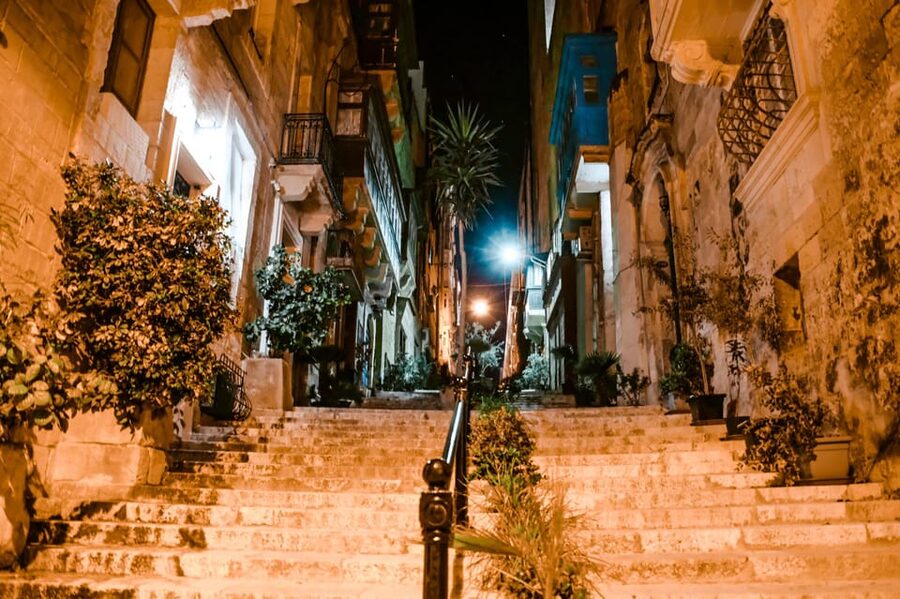
The tour includes a shocking letter sent by a lovesick man to the woman he was obsessed with, shortly before he murdered her. That is a grim detail, and it is exactly the kind of episode that turns a walk into a kind of street-level morality play.
What makes this segment work is pacing and intent. Instead of presenting it as a random crime anecdote, it fits the tour’s larger theme: obsession has consequences, and the city’s quieter corners remember human behavior. You start to see how love stories and violence stories can share the same emotional fuel, even when the outcomes differ.
For you, the practical takeaway is how the guide turns a chilling episode into a lesson you can hold. You do not just hear a headline. You learn to pay attention to timing and motive, the way a writer might. That is where Mario’s journalistic background shows.
The church story about boys, and why the city’s sacred spaces feel different
One of the darkest highlights is a story about a church in the city. The tale says that hundreds of boys once entered the church and did not come out alive.
This is the kind of story that can make your brain quiet in the middle of a lively walk. Valletta’s churches are often visited for their look and their art. But here, you are asked to think about the human side of those spaces, including what people feared and what happened behind doors that were not meant to be passed through by children.
Even without naming every detail, the tour gives you a reason to slow down. You start noticing how sacred buildings can hold both devotion and dread. That contrast is the point. Valletta’s charm is real, but so is the darker ledger.
If you are sensitive to disturbing stories, treat this as a sign to approach the tour with care. The content is not mild. It leans into tragedy.
Walking the hills and steps: the only real logistical catch
Valletta has hills and some steps, so a reasonable amount of fitness is required. The route is only listed as 2 hours, but “2 hours” in Valletta can feel like more, because vertical movement changes your breathing and your focus.
You do not need to be an athlete, but you should be prepared for uneven pacing. If you have low stamina or avoid stairs, this tour may be uncomfortable. The tour also is marked as not suitable for people with low level of fitness.
For the best experience, wear shoes that handle uneven stones. The tour’s content is built around movement between sites, so you want your body to stay steady while your mind takes in the stories.
Price and value: $25 for a research-heavy storytelling walk
The price is $25 per person for a 2-hour guided walk. On paper, it is easy to see it as “just a tour.” In practice, the value comes from three things that the tour specifically provides:
First, Mario is doing the work of turning archival material into a route you can experience. That is not something most basic city tours bother with.
Second, the tour focuses on the “untold” and unusual side of Malta’s history. If your goal is to leave Valletta with more than photographs, this kind of storytelling gives you a different kind of souvenir: context.
Third, it is a tight timeframe. Two hours is long enough for multiple distinct story stops, but short enough that you can still enjoy the rest of your day in Valletta. For many visitors, that balance is key.
If you want history facts in the usual museum style, you might prefer a more standard guided tour. If you like story-driven place exploration with research backing the weird parts, this is a strong value.
Who this tour suits best
This walk fits best if you:
- enjoy dark legends and true-crime style storytelling (even when the details are unsettling)
- like guided explanations grounded in materials like old newspapers and rare books
- want a Valletta experience that goes beyond squares and monuments
It might not fit well if you:
- dislike supernatural framing like ghost stories
- need a low-stairs, low-hill walk
- want only uplifting historical narratives
Should you book The Dark History of Valletta walking tour?
I think this is worth booking if your idea of a great Valletta day includes back streets, story stops tied to specific sites, and a guide who brings research energy to the darker chapters. The combination of Mario’s journalistic approach, the use of dusty archives, and the themed focus on stories guidebooks often skip is the main reason to choose it.
If you are easily bothered by stories involving death and tragedy, or if stairs and hills are a problem for you, consider another Valletta tour style. This one is intentionally darker, so decide based on mood and comfort, not just curiosity.
FAQ
FAQ
How long is the Dark History of Valletta walking tour?
The tour lasts 2 hours.
How much does the tour cost?
The price is $25 per person.
Where does the tour start?
The tour begins at the Triton Fountain, facing the City Gate area of Valletta.
Who is the guide?
The guide is Mario, an ex-BBC journalist.
What language is the tour in?
The tour is in English.
Is the tour suitable for people with low fitness?
No. Valletta has hills and some steps, and the tour is not suitable for people with low level of fitness.
What type of stories will I hear?
You will hear tales of the terrible and stories of the strange, including the founder Jean de Valette, a haunting involving Oliver Starkey, a lovesick letter story, and a church story about hundreds of boys.
Can I cancel or change my plans?
The tour offers free cancellation up to 24 hours in advance for a full refund, and it also offers reserve now & pay later.
Just landed: new Valletta pages



Historical Tours, compared.
Prehistoric Temples, Limestone Heritage & Blue Grotto
Read our review →
Maltese Islands History Audio-Visual Show and La Sacra Infermeria Tour
Read our review →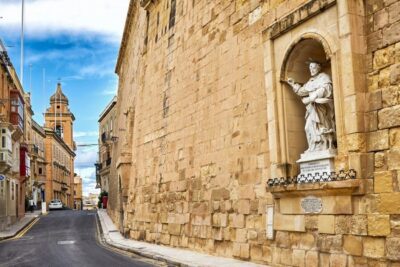
Self-Guided Historical Walking Tour (Audio Guide)
Read our review →
Wonderful Valletta, gastronomy, art, and history in the Mediterranean
Read our review →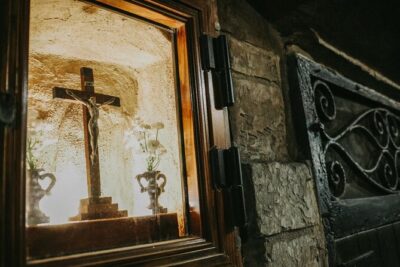
Private Historical City Walking Tour with Rabat Town
Read our review →
The Limestone Heritage Park and Gardens (Entry Ticket)
Read our review →Browse the lists this tour appears in