
Reviewed · MDINA & THE SILENT CITY
Best of Mdina and Rabat Walking Tour
Mdina feels like a movie set. This 2-hour Malta walking tour strings together the standout corners of Mdina and nearby Rabat, so you get the big picture fast, without the usual guesswork. It is a simple meet-up, a focused route, and a guide who helps you connect what you see to why it matters.
I love the way the walk moves from major landmarks to quiet streets. You will pass Vilhena Palace at the gate end, then glide into Mdina’s main lanes and squares. I also like that the tour is built around a fully licensed guide, not just a quick stroll, so you hear practical context you would not easily find on your own.
One thing to consider: audio can get tricky in larger groups. The tour caps at 20 people, and at least one outing had headset shortages and static, so if you need clear sound, ask ahead or arrive early so you can sort out gear.
In This Review
- Key highlights worth your time
- Mdina to Rabat in 2 hours, the right pace for a tight day
- Finding your guide at Mdina Gate, then starting with momentum
- Stop 1, Mdina’s medieval lanes: palaces, convents, churches, and street feel
- Vilhena Palace at the gate end, French Baroque drama in Malta
- Pjazza Mesquita, a quiet square with a pop-culture twist
- Villegaignon Street, the main spine where the palaces line up
- Pjazza San Publju and the Cathedral of Saint Peter and Saint Paul
- Rabat just outside the wall, a calmer walk with meaning in the name
- The guide factor, why the stories matter here
- Price and value: why $24.10 is a smart buy for your day plan
- Group size and audio: what to expect, and how to prepare
- Who this tour fits best (and who might want another option)
- Should you book Best of Mdina and Rabat Walking Tour?
- FAQ
- How much does the Mdina and Rabat walking tour cost?
- How long is the tour?
- Where do I meet the guide?
- Where does the tour end?
- Is the tour in English?
- What is included in the price?
- Are museum or church entrance fees included?
- What is the maximum group size?
- Can I cancel for a full refund?
Key highlights worth your time
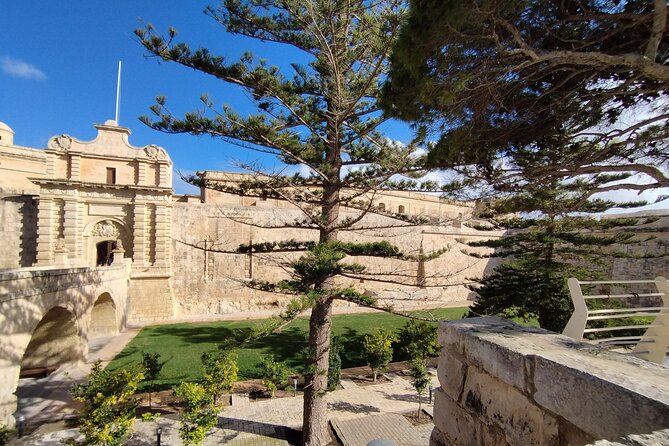
- Vilhena Palace (early 18th century, French Baroque style) at the entrance to Mdina
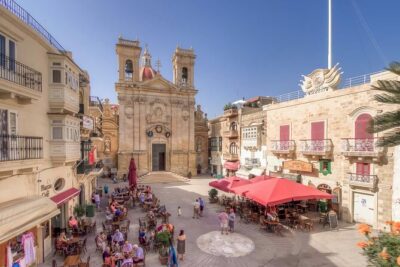
- Pjazza Mesquita, tied to a Game of Thrones filming location
- Vilhégaignon Street, Mdina’s main street with palaces along the way
- Pjazza San Publju, anchored by the Metropolitan Cathedral dedicated to Saint Peter and Saint Paul
- Rabat’s name meaning suburb, plus a calmer, more rural feel just outside Mdina
- A central meet point at Mdina Gate with your guide holding a red umbrella
Mdina to Rabat in 2 hours, the right pace for a tight day
This is the kind of tour that helps when you only have a short window in Malta and you want the “what to look at” part handled. Mdina is all about compact streets, dramatic views down from the heights, and stone that feels built for slow walking. Rabat sits just outside that wall line, with a more everyday rhythm.
You are on foot the whole time, but it is not a marathon. The route is paced in chunks, from quick landmark stops to a longer guided walk where the guide can put the place into context. If you like getting your bearings fast, this format works.
Also, it is priced low enough that you can treat it as a smart planning tool. For about $24.10 per person, you are buying time with a guide and a structured path through the right spots, not tickets to paid attractions you still have to schedule.
More of Mdina and the Silent City:
Finding your guide at Mdina Gate, then starting with momentum
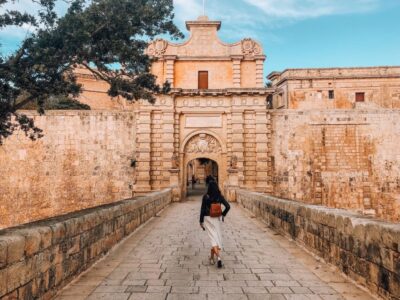
The tour begins at the Main gate of Mdina, with your guide holding a red umbrella. That detail matters more than it seems. Mdina can feel busy at the entrances, and having an unmistakable meeting point helps you avoid wasting precious minutes lining up with the wrong group.
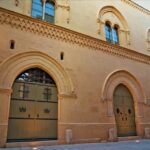
From there, you follow a medieval-themed route through the town. The focus is on palaces, convents, churches, and typical streets, which is a great combination for first-time visitors. You will not just see buildings, you will learn what roles they played and what to look for as you move.
Practical note: the tour runs about 2 hours (approx.), and it is offered in English. If you are traveling with anyone who wants a straightforward pace, this timing is friendly, especially if you plan to explore on your own afterward.
Stop 1, Mdina’s medieval lanes: palaces, convents, churches, and street feel
The first stretch is about setting the mood, then sharpening it with specifics. Your guide will lead you through Mdina’s important palaces, convents, churches, and the kinds of tight lanes that give the town its famous quiet feel.
The best value here is that the walk teaches you how to “read” Mdina as you go. You start noticing patterns in where buildings sit, how the streets bend, and what makes a frontage feel grand. Even in a short walk, the guide helps you see more than the surface.
A small caution: if you prefer calm and wide open space, Mdina gate areas can feel crowded with other groups and buses. Plan to stay flexible during the first few minutes, then settle in once you are inside the quieter street web.
Vilhena Palace at the gate end, French Baroque drama in Malta
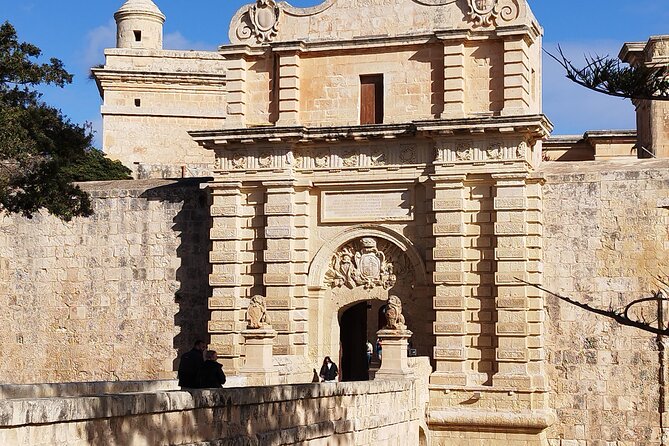
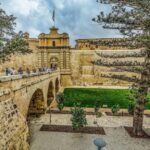
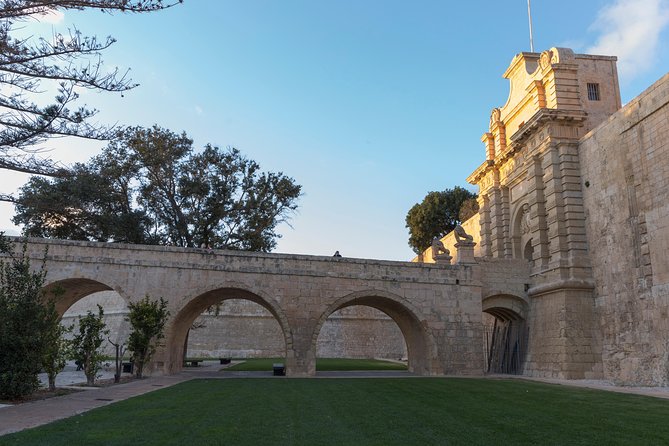
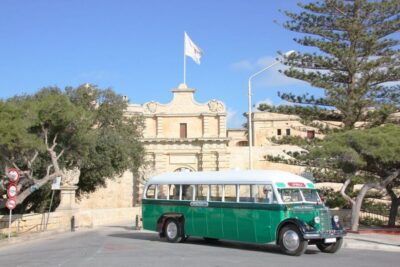
Next comes Vilhena Palace, a French Baroque palace built in the early 18th century. The tour connects it to the design work of French architect Charles Francois de Mondion. That name adds a nice layer, because it links Malta’s baroque look to a wider European story.
You also get the “entrance marker” effect. Vilhena Palace helps you understand that Mdina’s grandeur was not only medieval. The town has layers, and the palace is one of the clearest visual reminders.
Time on this stop is short, but it is targeted. You are not stuck standing around for photos, you get the why behind the façade and then move on.
Pjazza Mesquita, a quiet square with a pop-culture twist
Pjazza Mesquita is a peaceful square tucked deep in Mdina, and it has one of those modern details that makes people perk up. It served as a filming location for Game of Thrones.
Even if you are not a superfan, it is still a fun way to connect the stones to the present. The bigger win is how the guide uses the square as a pause point. You get a moment to reset your walking legs and let the town feel sink in.
This is also where you get a sense of Mdina’s contrast. One minute you are tracking grand streets, the next you are in a quiet pocket that feels untouched by time.
More Guided Walks in Malta:
- The Original Valletta Walking Tour★ 5.0 · 2,719 reviews
- Valletta: 3-Hour Walking Tour★ 4.7 · 1,605 reviews
- Valletta: Guided City Walking Tour★ 4.8 · 1,256 reviews
- Valletta: Street Food and Culture Walking Tour★ 4.8 · 1,251 reviews
- Valletta: City Walking Tour in a Small Group★ 4.9 · 957 reviews
Villegaignon Street, the main spine where the palaces line up
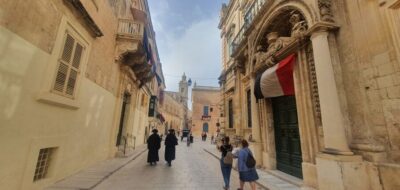
Then the route turns toward Vilhégaignon Street, described as the city’s main street. This is where the town’s “step back in time” feeling really clicks. The street is lined with some of Mdina’s stunning palaces, and the guided explanation helps you notice why they look the way they do.
A main street can become repetitive if you are walking it without context. Here, the guide keeps it interesting by linking what you see to the town’s development, and by pointing out details you might miss from the sidewalk.
If you are the type who likes architecture but also wants a story, this part is a sweet spot. You get both.
Pjazza San Publju and the Cathedral of Saint Peter and Saint Paul
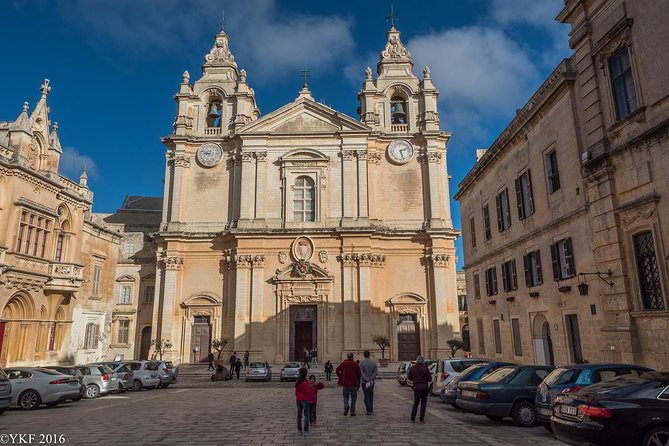
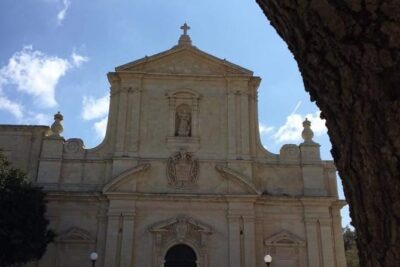
At Pjazza San Publju, Mdina’s main square takes center stage. The square is dominated by the Metropolitan Cathedral dedicated to Saint Peter and Saint Paul. This stop is short, but it is the kind of stop that helps you orient your own future exploring.
Here is what you should do during this moment: slow down, look up, and take in how the cathedral anchors the square. The guided context makes it easier to understand what you are seeing and why it is such a focal point for the town.
Also, keep expectations realistic. The tour includes guided viewing points, but it does not include entrance fees to museums or churches. So think of this as a chance to take in the outside and the setting, then decide on your own if you want to pay for an interior visit later.
Rabat just outside the wall, a calmer walk with meaning in the name
After Mdina’s tight lanes, you transition to Rabat, located just outside the Mdina area. The tour frames Rabat as a typical Maltese town with a quieter, more rural character compared to Mdina’s stillness.
What I like about this portion is the name lesson. Rabat’s name is explained as meaning suburb in Semitic, because it was once the suburb of Mdina. That is the kind of detail that turns a “nearby town” into a meaningful stop.
You also get a leisurely walk along typical Rabat streets. This is where the pace feels less “tourist highlight” and more like an actual stroll through an everyday neighborhood. If you have been spending most of your time in scenic viewpoints, this is a refreshing change.
The guide factor, why the stories matter here
A walking tour lives or dies on the guide. This one is built around a fully licensed guide, and the guide experience seems to be a major reason people rate it highly.
One guide name you might hear is Nadine, who has been highlighted for sharing clear, well-structured stories and helpful suggestions after the walk. That kind of follow-on value matters. When you finish, you are not just tired and vaguely inspired. You have better ideas for what to do next.
Weather also comes up as a real-world factor. If it rains, the guide has been able to find shelter quickly for a short break. That is worth considering in Malta, where conditions can change fast.
Price and value: why $24.10 is a smart buy for your day plan
At $24.10 per person for about 2 hours, you are paying for structure, expertise, and time savings. You are not paying for entrance fees. The tour explicitly excludes admission fees to any museum or church, so you should budget separately if you plan to go inside.
So where does the value come from? It comes from the guide helping you connect the dots across multiple stops. Mdina and Rabat can be walked independently, sure. But walking without a plan often leads to random wandering and missed context. This route compresses the decision-making.
If you like value, here is how to think about it. For the price of one or two paid entries, you get a guided walk through the main stages of Mdina, then a transition to Rabat. Even if you later pay for a church or museum, your day will feel more intentional.
Group size and audio: what to expect, and how to prepare
The tour caps at a maximum of 20 people. That is a decent size for a walking route, but it can still affect sound. In at least one case, there were too many people for available headsets, which caused someone to miss parts of the narration, and another person flagged static and noise.
Here is your best move if sound matters to you: arrive a bit early and ask directly about headsets. If you need reliable audio, also consider bringing your own hearing support option, like extra earbuds or a backup device, if that is something you use while traveling.
If you want the best experience, do this too: stand where the guide’s voice carries best. In narrow streets, placement matters. Take a spot a few steps forward rather than lingering at the edges.
Who this tour fits best (and who might want another option)
This walking tour is a great match if you want:
- A tight, two-hour introduction to Mdina and Rabat
- A route that hits key squares and palace areas without overplanning
- A guide who can explain what you are seeing while you walk
- A calm ending near Rabat’s Parish church of Rabat, so you can keep going on your own
It may be less ideal if you want lots of time inside churches and museums during this exact outing. Since entrance fees are not included, you will likely do those separately based on your interests and time.
And if you have specific hearing needs, you will want to plan for audio clarity. The group size is small, but the headset situation has been imperfect for some people. A quick check before departure helps.
Should you book Best of Mdina and Rabat Walking Tour?
If your goal is to see the highlights, learn the basics, and get a solid mental map for the rest of your day, I think this tour is an easy yes. The route covers major Mdina landmarks like Vilhena Palace, Pjazza Mesquita, Vilhégaignon Street, and Pjazza San Publju, then it shifts to Rabat with meaning behind the name and a more everyday feel.
Book it especially if you are short on time or you want the confidence of knowing where to go next. If you are sensitive to audio, ask about headsets right away and position yourself well at the start.
One more practical tip: this experience is often booked about 18 days in advance, so reserve sooner rather than later if you are traveling in peak season.
FAQ
How much does the Mdina and Rabat walking tour cost?
The price is $24.10 per person.
How long is the tour?
The tour lasts about 2 hours.
Where do I meet the guide?
You meet at the Main gate of Mdina. The guide will be holding a City Walking Tours red umbrella.
Where does the tour end?
The tour ends close to the Parish church of Rabat, at the Basilica of St Paul area (64 Triq Ir-Rebha, Ir-Rabat, Malta).
Is the tour in English?
Yes, it is offered in English.
What is included in the price?
You get a 2-hour walk with a fully licensed guide, plus a mobile ticket.
Are museum or church entrance fees included?
No. Entrance fees to any museum or church are not included.
What is the maximum group size?
The tour has a maximum of 20 people.
Can I cancel for a full refund?
Yes. You can cancel for a full refund up to 24 hours before the experience’s start time.
Just landed: new Malta pages




Mdina & the Silent City, compared.
Highlights of Malta & Mdina Full Day Tour with Lunch
Read our review →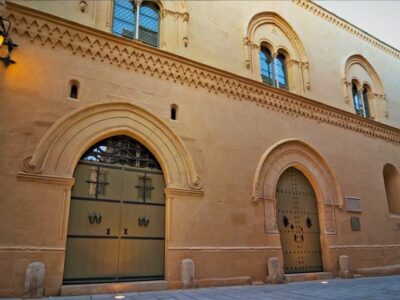
Mdina, Dingli Cliffs and San Anton Botanical Gardens
Read our review →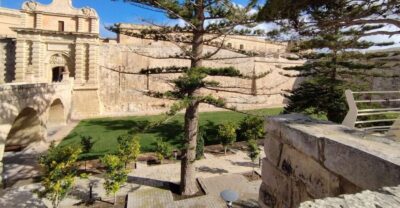
Mdina and Rabat Walking Tour inc. Catacombs and St. Paul’s Grotto
Read our review →Browse the lists this tour appears in