
Reviewed · HISTORICAL TOURS
Palazzo Falson Historic House Museum entrance ticket
Mdina’s oldest rooms feel lived-in. Palazzo Falson Historic House Museum packs 3,500+ objects into 17 rooms, and it ends with a terrace where you can pause for views. My main caution: it is not really set up for very young kids, since it is noted as not suitable for children under 6.
I like that you get a proper sense of place here, not just a list of famous things. The building is one of the oldest still standing in Mdina, with an internal courtyard and an upper piano nobile. You’ll walk through the house at your own pace with an audio guide, but it does ask you to slow down and read a bit to get the most out of the collections.
In This Review
- Why Palazzo Falson is worth your time in Mdina
- Ticket value: what $15 buys you (and what it doesn’t)
- Entering Palazzo Falson Historic House Museum: the flow you should expect
- From names and restoration to the people who shaped it
- 17 rooms, 45 collections: how the house museum is organized
- The paintings: what to look for beyond famous names
- The library and manuscripts: the quiet section worth planning for
- The upper-floor terrace cafeteria: views plus a needed break
- Time, pacing, and who this museum suits best
- What to know before you go (audio guide, languages, and comfort)
- Should you book Palazzo Falson Historic House Museum?
- FAQ
- How much is the Palazzo Falson Historic House Museum entrance ticket?
- How long is the visit?
- Where is Palazzo Falson located?
- Is an audio guide included?
- Are printed materials available too?
- What collections can I expect inside?
- Are there notable paintings here?
- Is there a terrace café or place to get coffee?
- Is this suitable for young children?
- Can I cancel for a refund?
Why Palazzo Falson is worth your time in Mdina
Second-oldest standing building in Mdina
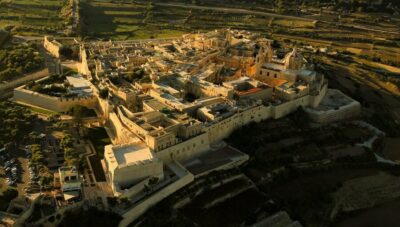
This house museum sits in the walled city’s older fabric, so the walls matter as much as the objects.
Forty-five collections across 17 rooms
Instead of one “big exhibit,” the visit flows through a series of themed spaces.
Over 3,500 objects, from silver to armor
You’ll see the kind of collection-building that wealthy households used to do, then preserved for you now.
17th-century painting attributions
The paintings include works attributed to names like Mattia Preti, Jusepe de Ribera, and others.
A serious library: 4,500 books plus manuscripts
If you love books, this is one of the more satisfying museum add-ons in Mdina.
Upper-floor terrace cafeteria with views of Mdina and beyond
You get a natural break spot after the rooms.
Ticket value: what $15 buys you (and what it doesn’t)
A $15 ticket (per person) at Palazzo Falson is a fair deal for a house museum with this scale. The key value is not just the number of rooms. It is the way the collections are distributed through the building, so the visit feels like stepping through different corners of a private noble residence.
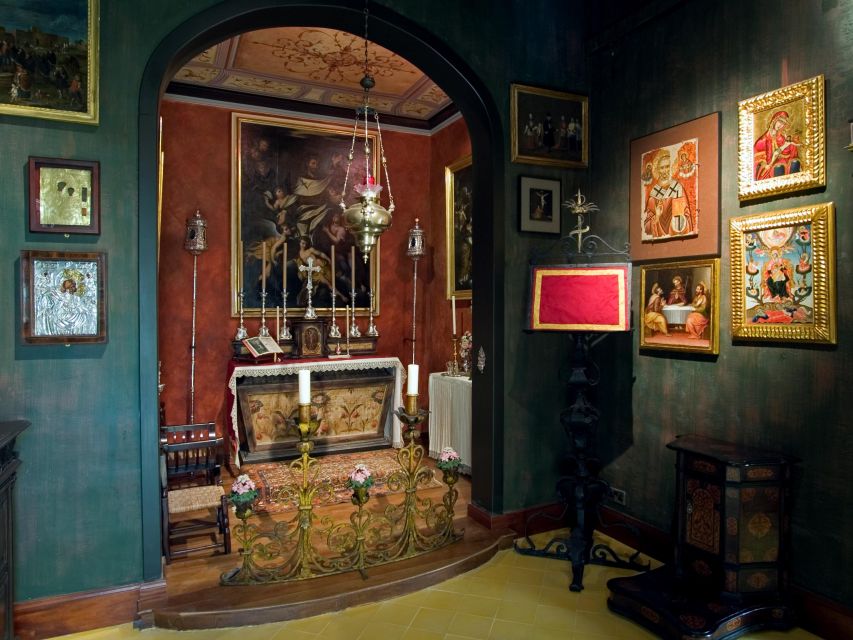
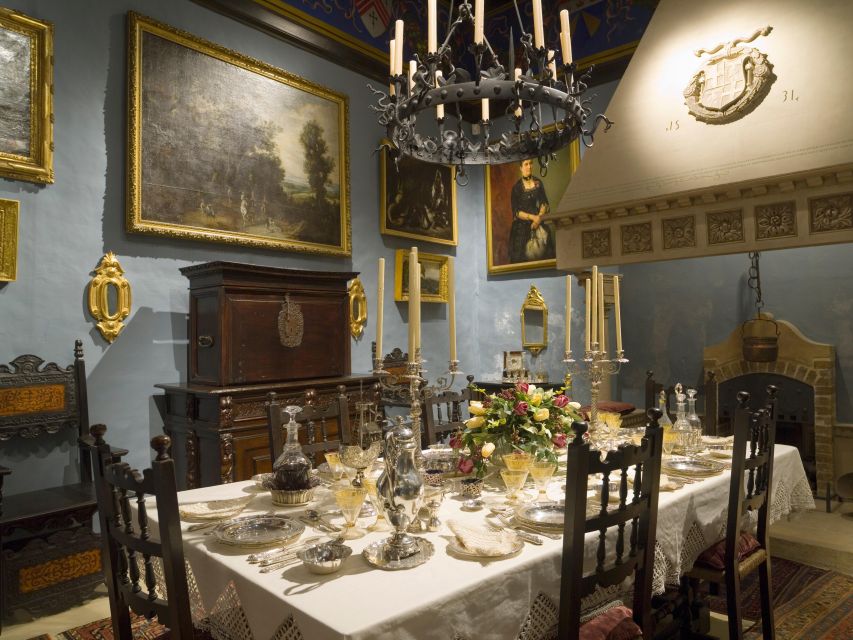
This is also a smart choice if you want Malta culture that is calmer than the biggest-ticket sights. You are looking at a carefully staged collection of paintings, silver, furniture, jewelry, Oriental rugs, an armor display, and a library with thousands of volumes. That kind of variety helps you find something that clicks, even if your group has mixed interests.
What it does not do is turn into a “quick-hit” stop. Because you are moving through multiple rooms and collections, plan a real museum pace. If you want a two-minute photo op, you may feel slightly restless. If you like museums where details reward your time, you’ll feel at home.
The experience is valid for one day, and you choose an available starting time based on what is offered that day. It is best to book early in busy seasons, especially if you prefer a particular entry window.
More museums and collections in Mdina:



Entering Palazzo Falson Historic House Museum: the flow you should expect
When you arrive, the museum provides an English-speaking greeter. From there, the main support is the audio guide, included with the ticket. You can listen in English, French, German, Italian, Maltese, or Spanish. You’ll also find printed information available in a long list of languages, including English, French, German, Arabic, Chinese, Japanese, Russian, Spanish, and more.
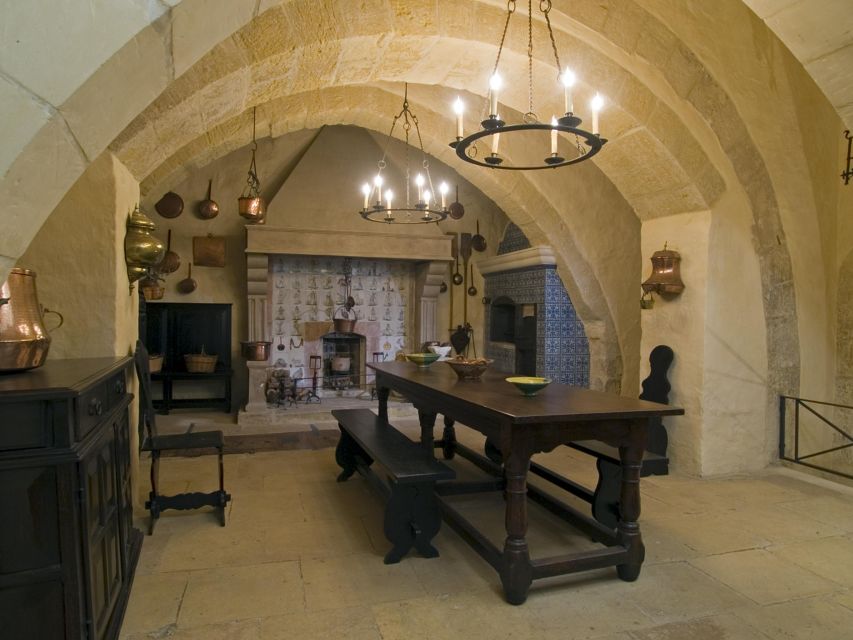
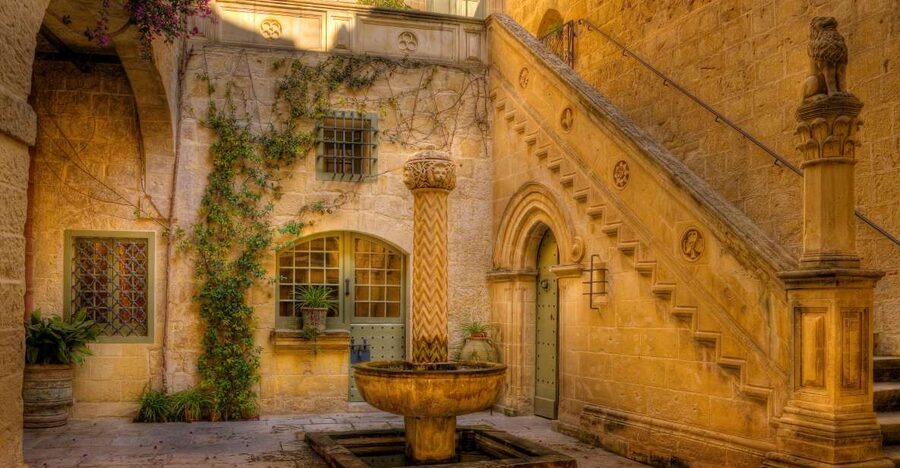
Once you start, the layout is the story. Palazzo Falson is a two-storey medieval palace built as a family residence by the Maltese nobility. The rooms wrap around an internal courtyard. That courtyard helps you orient yourself, because the building’s central space gives you natural “break points” as you move from room to room.
The visit is especially interesting because the oldest parts are at the back of the courtyard, while the piano nobile (the noble floor) holds the original living quarters. Practically, this means you get a sense of time layers. Even if you do not catch every historical detail, the architecture guides your attention.
I recommend you treat this as a self-paced circuit, not a sprint. If you follow the audio guide, it helps you connect objects to the house and to the people who collected them. If you try to rush, you’ll miss the little context that makes the collections feel coherent.
From names and restoration to the people who shaped it
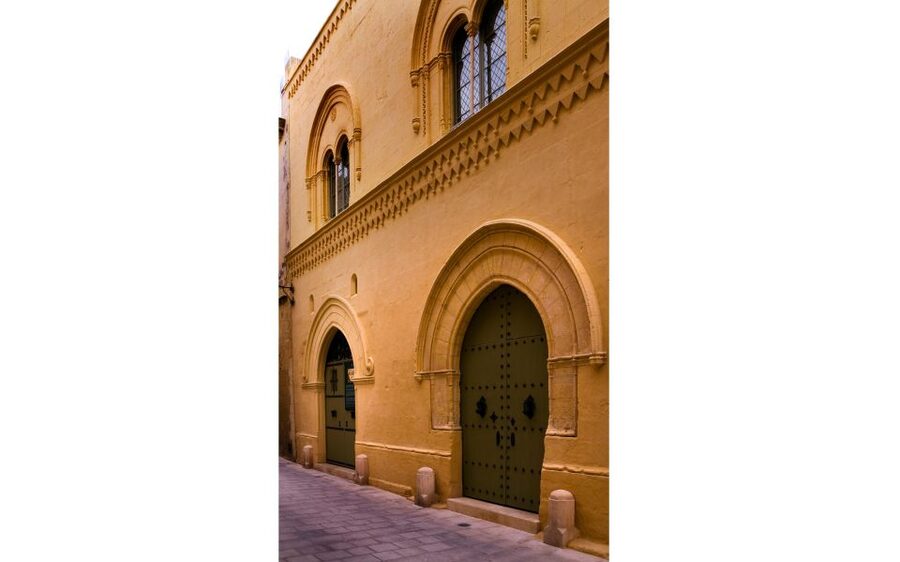
Palazzo Falson has had several identities over time, including Palazzo Cumbo-Navarra, Casa dei Castelletti, and The Norman House. The origins go back to the early 13th century, and the building was fashioned on Sicilian examples from its period.
In May 2007, it reopened to the public after a major restoration intervention by Fondazzjoni Patrimonju Malti (Maltese Heritage Foundation). That matters for your experience because restoration is often what turns “an old building” into a readable museum. Here, the structure is part of the exhibit, and the rooms are presented in a way that supports the collections.
Then comes the human thread. In the early 16th century, the property was inherited by Vice Admiral Michele Falson, head of the town council. After Malta was donated to the Knights of the Order of St. John by Emperor Charles V, Grand Master Philippe Villiers de L’Isle Adam was hosted by Maltese nobles at Palazzo Falson following a ceremony where he took possession of Mdina on 13 November 1530.
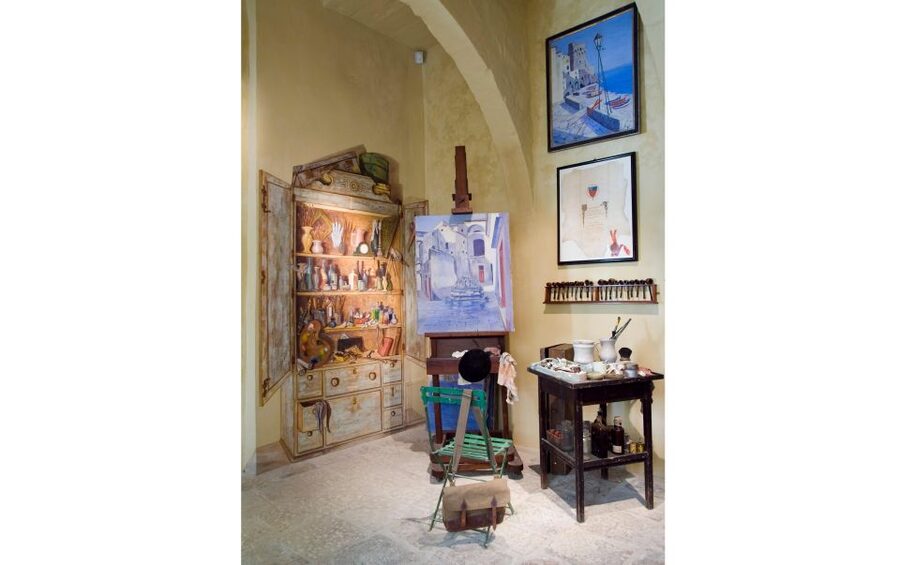
The most recent resident and owner, Captain Olof Frederick Gollcher O.B.E. (1889-1962), is central to what you see now. Of Swedish descent, he is described as a researcher, artist, philanthropist, and passionate collector of historical items and objets d’art. In plain terms, you’re not just touring a building, you’re touring a collector’s logic, now organized for visitors.
17 rooms, 45 collections: how the house museum is organized
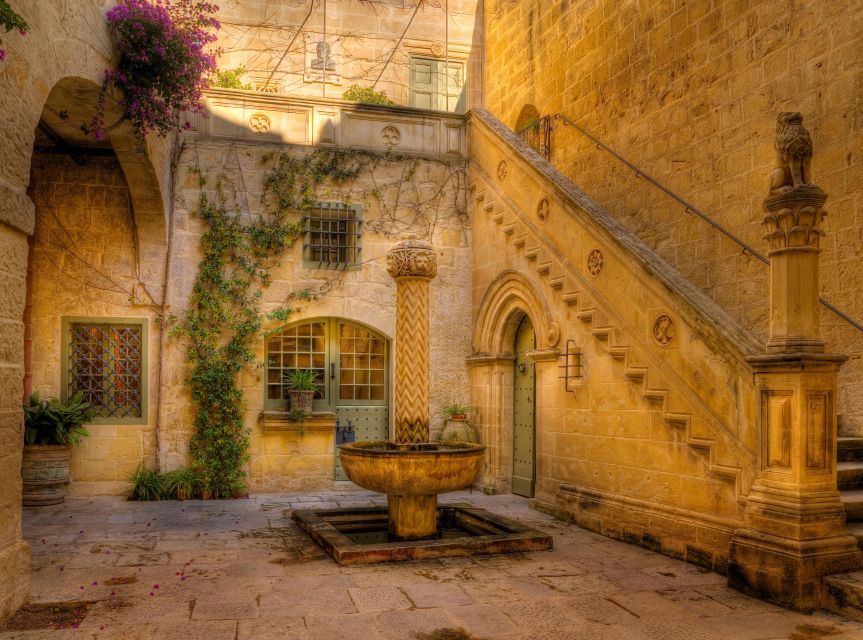
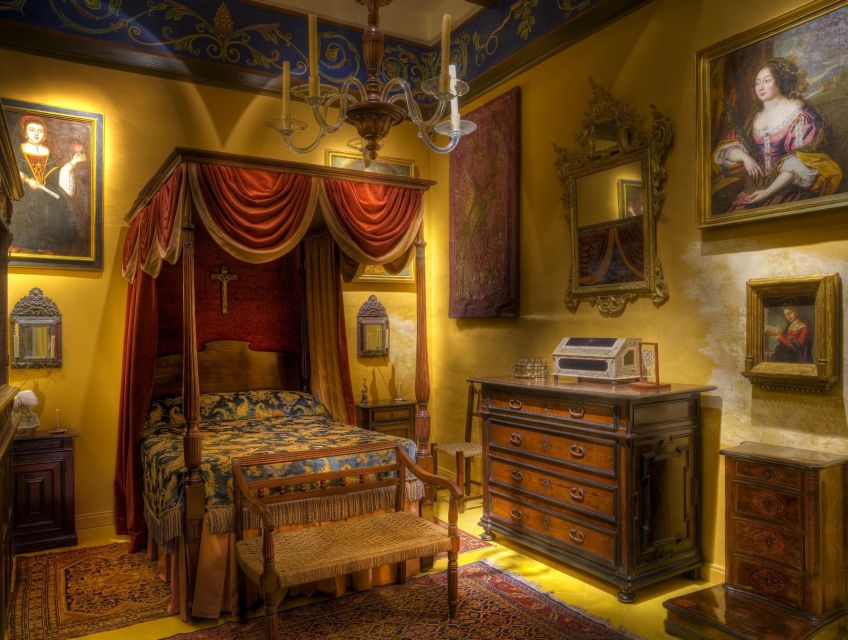
This is the part that makes Palazzo Falson feel different from many “single-category” museums. The collection is spread over 17 rooms and arranged into 45 specific collections, with over 3,500 objects in total.
Here is what that means for you while walking:
- You’ll see multiple categories close together, so your brain keeps switching gears.
- You are not limited to decorative arts alone. The museum includes practical objects too, like armor, alongside luxury items like jewelry and silver.
- Rugs, furniture, and household-related artifacts help you understand how collections shaped daily life.
The museum’s categories include paintings, silver, furniture, jewelry, Oriental rugs, and an armor display. If you like decorative arts, this is a strong match. If you like history, the presence of armor and the medieval house setting add extra weight. If you like aesthetics, the paintings plus decorative objects help the rooms feel complete rather than academic.
The paintings: what to look for beyond famous names
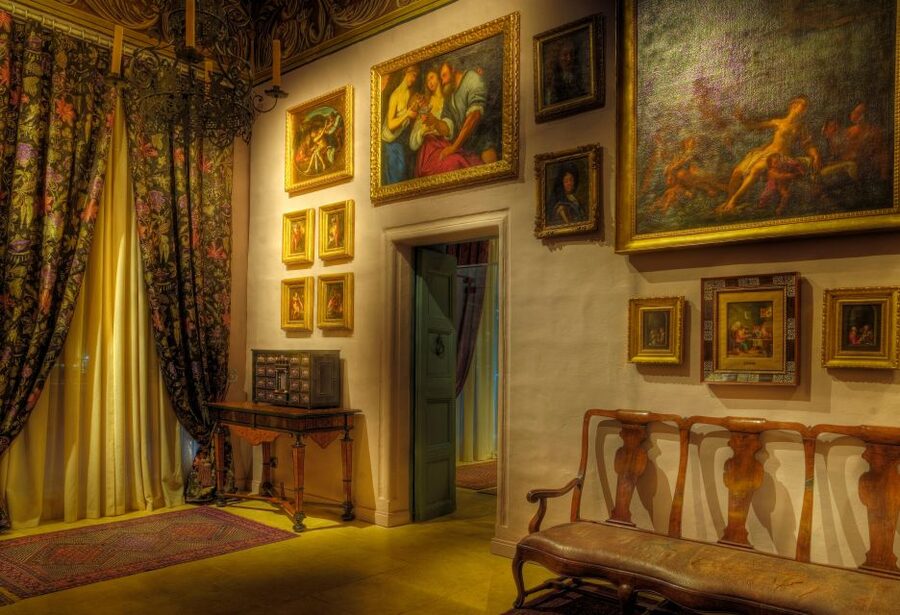
The paintings collection includes significant 17th-century works attributed to names such as Mattia Preti, Jusepe de Ribera, Jakob-Ferdinand Voet, Charles Beale, and Juriaen van Streeck.
You do not need to be an art expert to enjoy this. Use the audio guide to help you notice what the attribution implies, then let your eye do the rest. Even without deep background, 17th-century painting often rewards attention to lighting, expressions, and composition. Pair those moments with nearby objects in the same room, and the museum’s “private collection” vibe becomes believable.
More History Tours in Mdina:
- Mdina: Private Historical City Walking Tour with Rabat Town★ 4.5 · 41 reviews
- Malta: Prehistoric Temples, Limestone Heritage & Blue Grotto★ 4.2 · 412 reviews
- Maltese Islands History Audio-Visual Show and La Sacra Infermeria Tour★ 4.0 · 344 reviews
- Valletta: Self-Guided Historical Walking Tour (Audio Guide)★ 3.7 · 251 reviews
- Wonderful Valletta, gastronomy, art, and history in the Mediterranean★ 4.5 · 72 reviews
The library and manuscripts: the quiet section worth planning for
One of the most impressive features is the library containing over 4,500 books, plus valuable manuscripts. This is not just a side room. In a house museum, a library signals how power and learning worked together in earlier centuries.
If you love reading, you’ll likely slow down here. If you do not usually care about libraries in museums, you can still get something out of it. The presence of books and manuscripts helps you understand that this was a collected world, not only a displayed world. That context makes the rest of the objects feel less random and more intentional.
Practical tip: give yourself a little extra time for the library area. People often rush it because it looks “quieter” than the rooms with jewelry or armor. But this is one of the places where the museum’s scale becomes clear.
The upper-floor terrace cafeteria: views plus a needed break
After the rooms, you can take a breather at the cafeteria on the terrace on the upper floor. From there, you can enjoy magnificent views of Mdina and beyond.
This break is not just about refreshments. It is about resetting your brain. After walking through multiple rooms and collections, you need a pause where you can process what you saw. The terrace does that job well because the setting is open, and Mdina’s architecture gives you something to look at without studying label text.
If you’re visiting in warm months, treat the terrace like part of the plan, not an afterthought. If you’re visiting cooler months, you may end up lingering longer than you expected, just because the views are part of the experience.
Time, pacing, and who this museum suits best
The experience is listed as lasting 1 day and includes a valid visit window based on available starting times. With house museums, your real timing depends on how you listen and how much you want to read.
If you want a smooth visit:
- Choose an entry time that gives you enough daylight for the terrace option.
- Use the audio guide consistently, at least for the big rooms and the paintings.
If you tend to rush museums, Palazzo Falson may frustrate you. The house format invites you to pay attention. But if you enjoy detailed interiors, this place rewards patience.
Who it suits best:
- People who like art mixed with decorative arts and historical objects
- Anyone who is already in Mdina and wants a cultural stop that feels local
- Visitors who prefer self-paced museum time with audio support
- Book lovers, thanks to the 4,500+ volumes and manuscripts
Who might find it less ideal:
- Families with very small children, since it is noted as not suitable for kids under 6
- Visitors who want only outdoor time, because the core is interior rooms and a medieval house layout
What to know before you go (audio guide, languages, and comfort)
Your ticket includes an audio guide and printed information. That’s important, because Palazzo Falson’s appeal comes from context: which objects belong together, who lived here, and how the collection is organized across the rooms. The audio guide languages listed are English, French, German, Italian, Maltese, and Spanish.
The printed sheets cover many languages as well, including Arabic, Chinese, Czech, Dutch, English, French, German, Greek, Hungarian, Italian, Japanese, Maltese, Polish, Portuguese, Russian, Slovak, Spanish, Swedish, and more. Even if you use only the audio guide, the printed info can help when you want to skim.
As for comfort, remember this is a two-storey medieval palace, so you should expect a layout that involves moving between levels and rooms. Also, the museum is focused on collections rather than kid-centered activities, so plan accordingly.
Finally, the host or greeter is listed as English. If you need help during arrival, you can rely on that.
Should you book Palazzo Falson Historic House Museum?
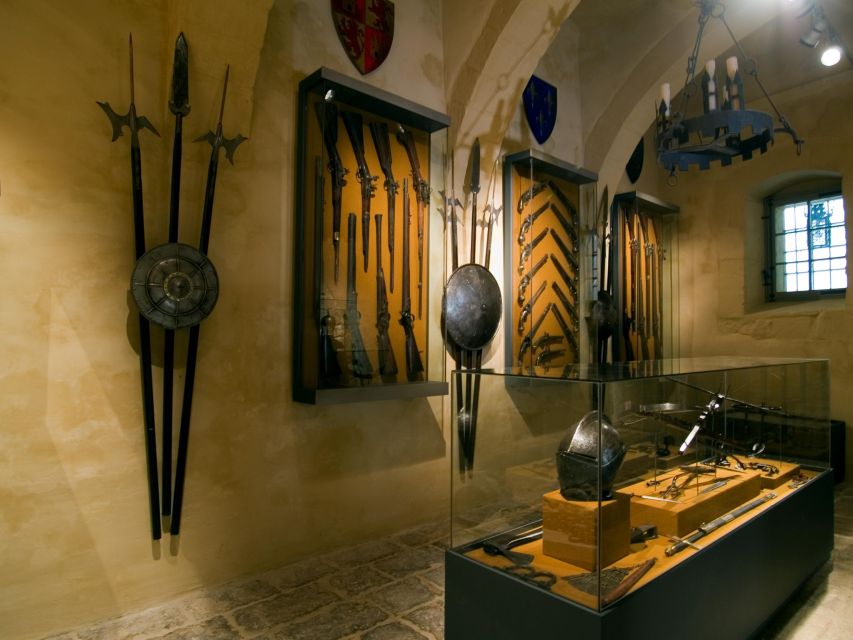
Yes, if you want a house museum with real variety and a strong sense of place in Mdina. For $15, you get access to a building with medieval roots, plus an organized collection that spans paintings, silver, furniture, jewelry, Oriental rugs, armor, and a library with thousands of books and manuscripts.
Book it if:
- You enjoy museums where rooms form a story
- You like art history but also want decorative arts and artifacts
- You want a good stop that ends with terrace views of Mdina and beyond
Skip it if:
- You only want quick outdoor sightseeing
- You’re visiting with kids under 6, since it is not suitable for that age group
If your day in Mdina has room for one standout cultural stop, Palazzo Falson is a smart choice.
FAQ
How much is the Palazzo Falson Historic House Museum entrance ticket?
The entrance ticket is listed at $15 per person.
How long is the visit?
The activity is valid for 1 day.
Where is Palazzo Falson located?
Palazzo Falson Historic House Museum is in Malta, in the walled city of Mdina.
Is an audio guide included?
Yes. An audio guide is included, with options in English, French, German, Italian, Maltese, and Spanish.
Are printed materials available too?
Yes. Printed information is available in many languages, including Arabic, Chinese, Czech, Dutch, English, French, German, Greek, Italian, Japanese, Maltese, Polish, Portuguese, Russian, Slovak, Spanish, Swedish, and more.
What collections can I expect inside?
The museum highlights a collection of 3,500+ objects across 45 collections in 17 rooms, including paintings, silver, furniture, jewelry, Oriental rugs, and an armor display.
Are there notable paintings here?
Yes. The paintings collection includes significant 17th-century works attributed to artists such as Mattia Preti, Jusepe de Ribera, Jakob-Ferdinand Voet, Charles Beale, and Juriaen van Streeck.
Is there a terrace café or place to get coffee?
There is a cafeteria on the terrace on the upper floor, and you can enjoy views of Mdina and beyond from there.
Is this suitable for young children?
The experience is not suitable for children under 6 years.
Can I cancel for a refund?
Free cancellation is available up to 24 hours in advance for a full refund.
Just landed: new Mdina pages




Historical Tours, compared.
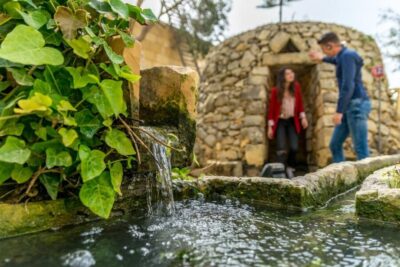
Prehistoric Temples, Limestone Heritage & Blue Grotto
Read our review →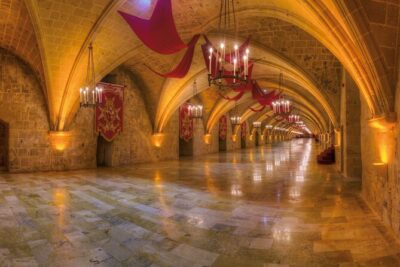
Maltese Islands History Audio-Visual Show and La Sacra Infermeria Tour
Read our review →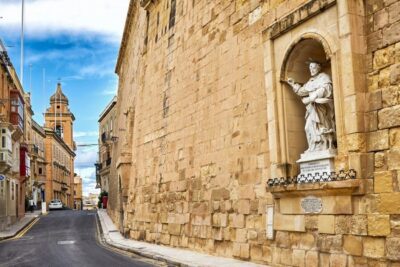
Self-Guided Historical Walking Tour (Audio Guide)
Read our review →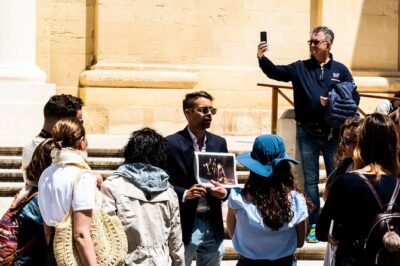
Wonderful Valletta, gastronomy, art, and history in the Mediterranean
Read our review →

Private Historical City Walking Tour with Rabat Town
Read our review →
The Limestone Heritage Park and Gardens (Entry Ticket)
Read our review →Browse the lists this tour appears in