
Reviewed · MDINA & THE SILENT CITY
Mdina: The Knights of Malta Museum Entry Ticket
Time travel, in 40 minutes. The Knights of Malta Museum in Mdina turns the story of the Order into a smart, visual route, starting with a 13-language audio-visual show and continuing through life-sized scenes. If you like your history with dramatic lighting and clear narration, this is an easy stop to fit into a Malta day. For the price, you get a lot of presentation for a short visit, and it works well for mixed ages.
My one big caution is that the experience is not suitable for hearing-impaired people. Also note the museum is not wheelchair accessible, and it is not stroller friendly, so plan accordingly if you have mobility needs or small kids.
In This Review
- Key things I’d focus on
- Entering the Knights of Malta Museum in Mdina
- The 3D audio-visual intro show, with narration in 13 languages
- The 34 tableaux walkthrough: sieges, daily life, and Mdina’s 1693 earthquake
- Knights, hospitals, and how Valletta fits into the story
- Timing, comfort, and who this ticket fits best
- Price and value: what $8 buys you in real terms
- Should you book this Mdina Knights of Malta Museum ticket?
- FAQ
- How long does the Knights of Malta Museum experience take?
- Is the ticket valid only for a specific date?
- Can I re-enter the museum after leaving?
- What languages are available for the audio-visual show?
- What does the ticket include?
- What is not included?
- Is the venue wheelchair or stroller accessible?
- Are pets allowed in the museum?
Key things I’d focus on
- 13 languages are available for the audio-visual intro show, so you can pick what you understand best
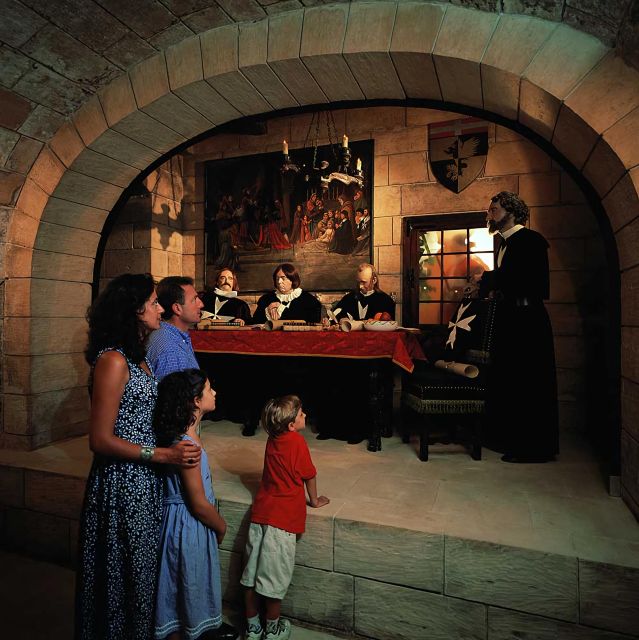
- 34 tableaux carry you through a timeline that includes sieges, daily life, and major local events
- 3D light and sound does most of the storytelling before you walk the exhibit
- Reconstructed interiors help the scenes feel like places, not just posters
- Family-friendly action includes battles, piracy, and earthquake drama without making it feel academic
- One-time entry means you should go in when you are ready, then move on
Entering the Knights of Malta Museum in Mdina
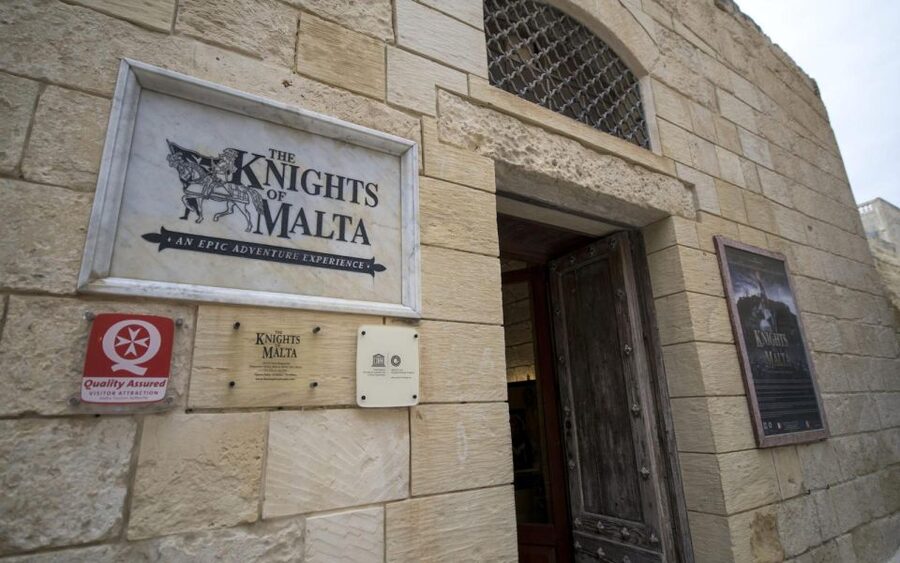
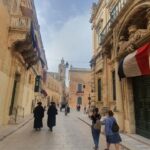
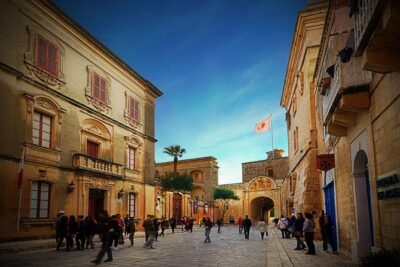
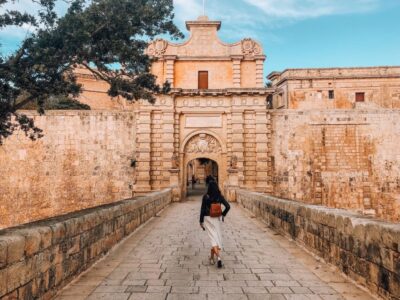
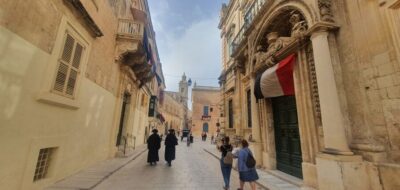
In Mdina, the quiet streets are part of the charm. The museum experience then does a fun flip, pulling you indoors to watch the Knights’ world take shape in front of you. Your ticket gets you admission, and the museum runs every day from Monday through Sunday, all year round except Christmas Day.
When you arrive at the theatre, you check in at the reception area. From there, you are guided into the first part of the show, then onward to the exhibits. The museum is described as a time-travel-style walkthrough, and that is exactly how it feels while you are inside, since the rooms and scenes are built to resemble the era.
If you are visiting with kids, this is the kind of stop that tends to work better than long reading breaks. There are lots of full-size figures and dramatic scenes, and the narration does the heavy lifting. You do not have to be a crusades expert to follow along.
One more practical note: you have an open ticket that you can use on any day within opening hours. It is still a one-time entry ticket, so you want to pick the day and time you are actually going to go in.
More of Mdina and the Silent City:

The 3D audio-visual intro show, with narration in 13 languages
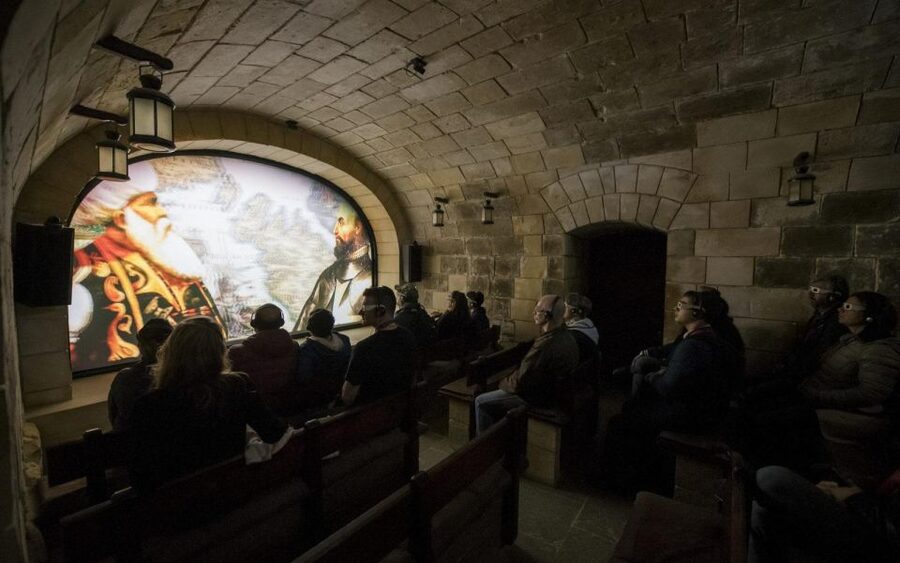
The core of the ticket is a roughly 40-minute experience total, and it starts with an introductory 3D digital audio-visual show. This is where the museum sets the mood with light, sound, and special effects, then gives you the historical thread so the scenes make sense as you walk.
The Knights of Malta story in the museum is framed around a major moment: in 1530, Grand Master L’Isle Adam entered the fortified city gates of Mdina. The show uses dramatic lighting and effects to bring that arrival to life, and it is designed to connect you emotionally to the era, not just inform you.
What I like most is the clear narration setup. The show includes full narration in 13 languages, including English, German, French, Dutch, Spanish, Italian, Russian, Greek, Swedish, Danish, Norwegian, Japanese, and Maltese. You choose what you understand, and you get the story in sync with what you are seeing.
There are also simultaneous multilingual commentaries, so the pacing works as a shared experience even if people in the same room prefer different languages. If you have ever gotten stuck watching history films while waiting for subtitles, this kind of built-in approach is a big win.
The show is also not one-note. It touches on piracy and siege terror, which are part of the Knights’ world, and then it moves toward the Order’s public role, including care for the sick. That mix helps the exhibit go beyond costumes and battles.
The 34 tableaux walkthrough: sieges, daily life, and Mdina’s 1693 earthquake
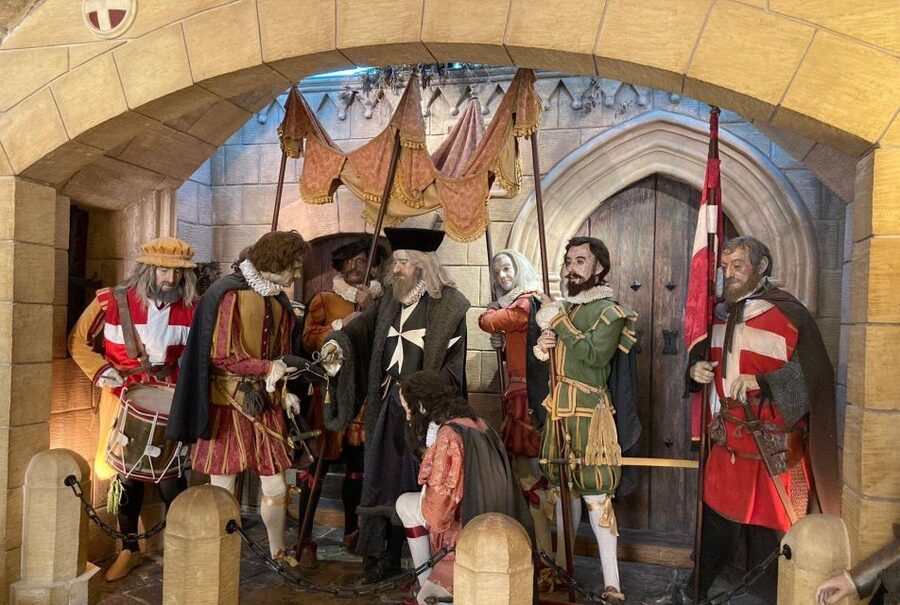
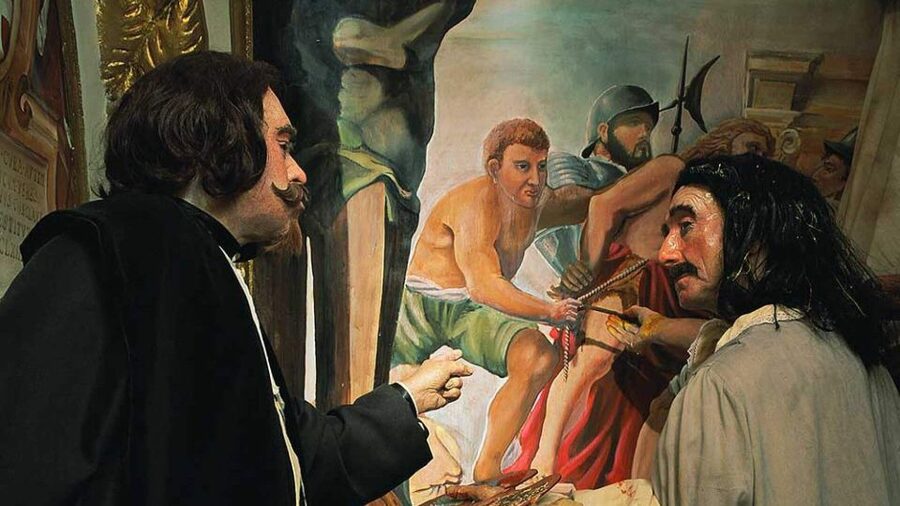
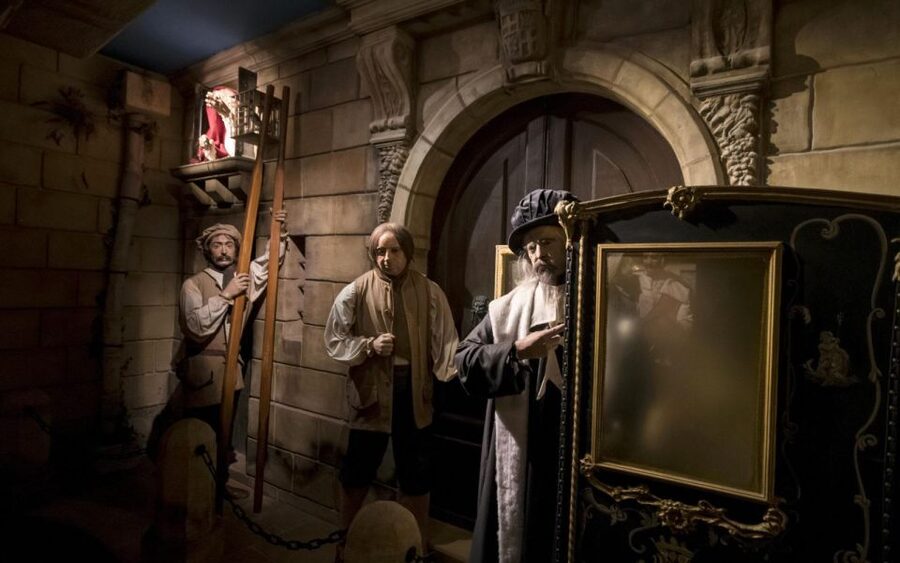
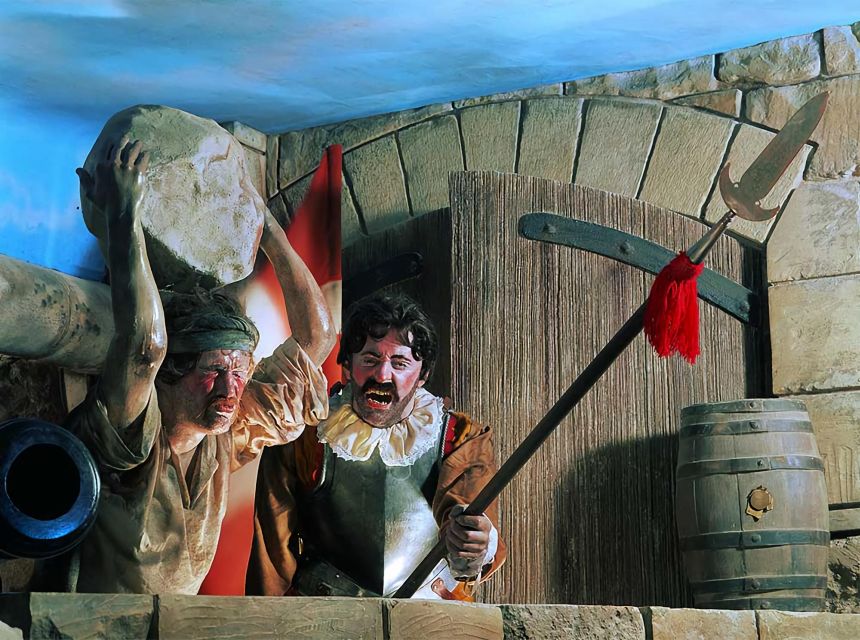
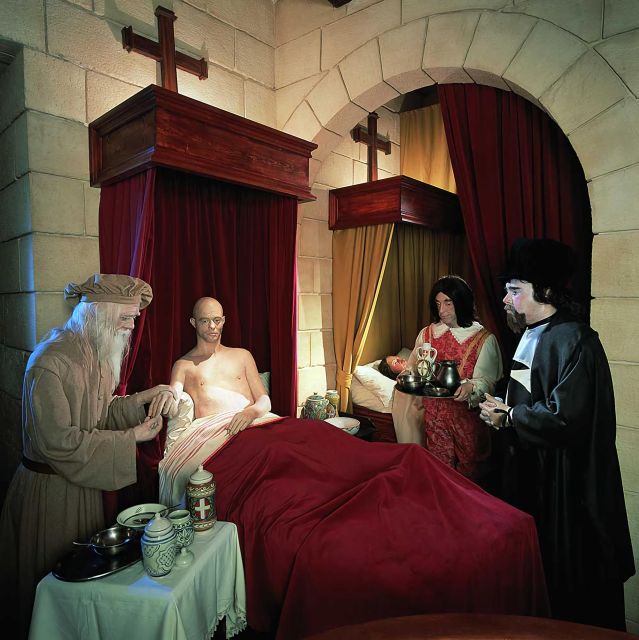
After the intro show, you move into the exhibit route, and this is where the museum earns its keep. The main gallery is built around 34 tableaux, described as visual, three-dimensional chronicles of the Knights’ life and times, covering the 200-year rule on the islands.
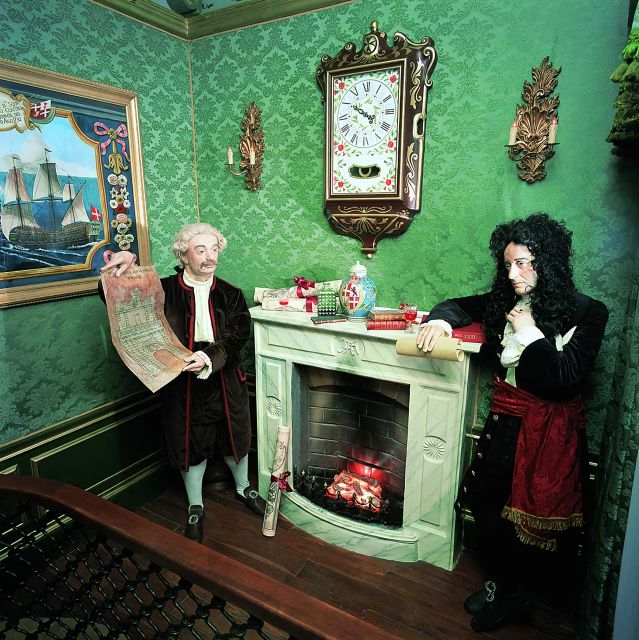
Each scene uses full-size figures of Knights and Grandmasters, and you see them in different roles. Some moments feel like meetings and conferences, with figures placed as if they are talking through decisions. Other scenes shift into action, including battle imagery and disaster response.
One scene type I found especially useful is the one that brings local history into the same frame as the Knights. The museum includes the 1693 earthquake in Mdina, which gives you a Malta-specific anchor. Even if you only know Malta’s coast and limestone look, this kind of event reminder helps you connect the Knights’ presence to the same physical land you are walking on now.
You also get a sense of how the Order interacted with ordinary people. There are tableaux where Knights appear alongside civilians, and you see compassionate moments, including the Knights’ hospital work. That is important, because it prevents the museum from reducing everything to war.
And yes, there is an Ottoman enemy theme in the story as part of the wider conflicts of the era. The show and the scenes do not shy away from tension, including the terrors of siege. That can be intense in subject matter, but it is handled as a staged history experience rather than gore or shock tactics.
For practical planning: the whole run is short, so you are not stuck for hours. You should still expect to pay attention during the intro, because the museum’s walking scenes land better when you remember what period and theme the narration just introduced.
Knights, hospitals, and how Valletta fits into the story
The museum does more than show uniforms. It connects the Knights’ vision and influence to what you can still see in Malta today, especially through Valletta. The exhibit explains that the Order’s vision inspired them to work with the best architects and artists, helping build Valletta, described as the city for gentlemen, along with opulent monuments across the islands.
Why this matters for you on a trip: Valletta is one of those places where it is easy to wander without a strong reason for what you are seeing. A stop like this in Mdina gives you a quick cause-and-effect story, so when you later look at fortifications and grand stone work, you can attach it to the Knights’ motives and resources.
The narration and scenes also keep returning to the Order as an organized institution. You see it as a group with strategy, leadership, and responsibilities to the sick. That hospital element is not just a side detail. It shows the Knights in multiple roles, not only on battlefields.
There is a lot of staged drama in the exhibit, but the purpose is to make the past legible. The museum uses lighting, figure placement, and a clear narration track to turn a complex era into a series of scenes you can remember.
If you are the type who likes to connect your museum time to your next street walk, you’ll probably like that this one points you forward toward Valletta. If you are looking for heavy academic detail, you might feel the museum stays on the “storytelling” side rather than the “deep research” side. The experience is short, and its strength is presentation.
Timing, comfort, and who this ticket fits best
You should plan for about 40 minutes total, including the intro show and the walkthrough. That makes it a strong choice if you are already in Mdina and want a focused indoor experience without losing half your day.
The museum is open daily except Christmas Day, so scheduling is usually easy. Your ticket is an open ticket, and you can use it on any day within opening hours. Just remember it is one-time entry only, so if you step out to grab a snack, plan on going back through the same visit, not returning later.
Now the comfort checklist, based on the venue rules:
- Pets are not allowed.
- The venue is not wheelchair accessible.
- It is not stroller accessible, though the venue provides a secure place for infant storage. If you are coming with a very young child, bringing an infant harness is advised.
Also, the museum is not suitable for hearing-impaired people. That is the one thing I would treat as a hard stop rather than a “maybe” decision.
Who it fits:
- Families who want an action-and-story museum that does not require long reading
- First-time visitors to Mdina who want a quick history bridge to Valletta
- Anyone who likes 3D show formats more than text-heavy displays
Who might skip it:
- If you want long, detailed history lectures, you may find the short format too light
- If mobility access is a must for your group, this venue will likely be a mismatch
More museums and collections in Mdina:
- Mdina: St. Paul’s Cathedral and Mdina Museum Entrance Ticket★ 4.5 · 89 reviews
- Palazzo Falson Historic House Museum entrance ticket★ 4.7 · 22 reviews
- Malta Classic Car Collection Museum Entry Ticket★ 4.9 · 247 reviews
- Skip the Line: Malta Classic Car Museum Admission Ticket★ 5.0 · 174 reviews
- Casa Rocca Piccola Palace and Museum Entrance Ticket★ 4.7 · 116 reviews
Price and value: what $8 buys you in real terms
At $8 per person, you are paying for a compact package: admission plus an audio-visual intro show with commentary in 13 languages, followed by a guided-feeling walkthrough through 34 scenes. For many trips, that is a strong value because you are not just “entering a room,” you are getting a timed, produced show experience.
The quality you are buying is mainly in two places:
- The presentation technology, including 3D digital audio-visual components and 3D light and sound effects.
- The translation and narration options, so you can follow what is happening without guesswork.
The main value tradeoff is also tied to the same strengths. Since it is a show-forward format, you might not leave with a deep reference library of dates and names. The museum is designed to help you remember the narrative and themes, not to become your primary source for academic-level study.
If your goal is “a smart history stop while I am already in Mdina,” you are likely to feel you got your money’s worth. If your goal is “hours of historical scholarship,” you may feel the time is too short and the scenes repeat certain ideas in different forms.
Should you book this Mdina Knights of Malta Museum ticket?
I would book it if you want an efficient, family-friendly history experience that turns the Knights of Malta era into scenes you can see, hear, and follow in your preferred language. The 3D show plus the 34 tableaux format is the heart of the value, and it is a great fit for a tight Malta schedule.
I would think twice if hearing access is an issue in your group, or if you rely on wheelchair access or a stroller. I would also temper expectations if you are hunting for deep, detailed historical explanations. This is a short, produced storytelling museum, and its job is to make the era understandable fast.
If that sounds like your style, this is one of those tickets that delivers right away, and then lets you move on from Mdina with a stronger sense of where the Knights left their mark.
FAQ
How long does the Knights of Malta Museum experience take?
The visit is about 40 minutes total, including an introductory 3D digital audio-visual presentation and the walkthrough.
Is the ticket valid only for a specific date?
It is an open ticket. You can use the entry ticket on any day within the museum’s opening hours.
Can I re-enter the museum after leaving?
No. The ticket allows one-time entry only, and re-entry is not allowed.
What languages are available for the audio-visual show?
The audio-visual intro show includes narration in 13 languages: English, German, French, Dutch, Spanish, Italian, Russian, Greek, Swedish, Danish, Norwegian, Japanese, and Maltese.
What does the ticket include?
It includes the admission ticket and the audio-visual intro show with audio guide commentary in 13 languages.
What is not included?
Food and drinks are not included, and the ticket does not include hotel pickup or drop-off, or a guide.
Is the venue wheelchair or stroller accessible?
The venue is not wheelchair accessible. It is also not stroller accessible, but there is a secure storage area set aside for infants. An infant harness is advised for very young kids.
Are pets allowed in the museum?
No, pets are not allowed.
Just landed: new Mdina pages




Mdina & the Silent City, compared.
Highlights of Malta & Mdina Full Day Tour with Lunch
Read our review →
Mdina, Dingli Cliffs and San Anton Botanical Gardens
Read our review →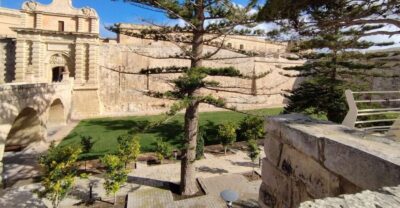

Mdina and Rabat Walking Tour inc. Catacombs and St. Paul’s Grotto
Read our review →Browse the lists this tour appears in