
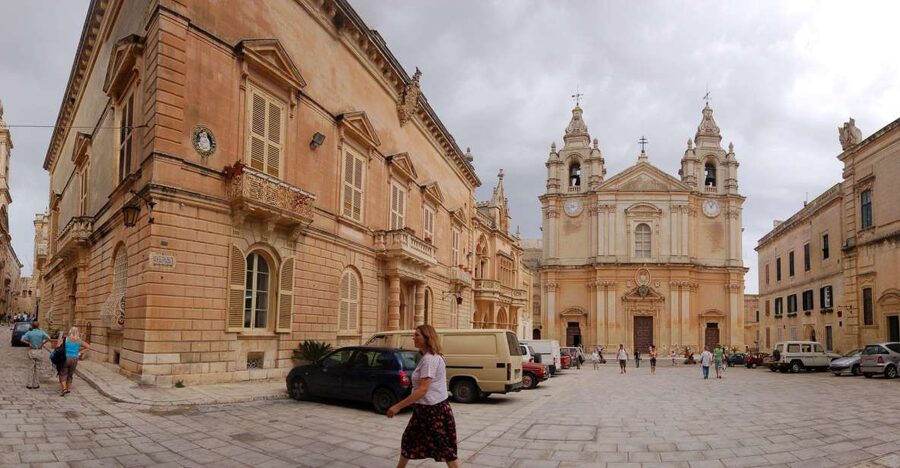
Reviewed · MDINA & THE SILENT CITY
Mdina: St. Paul’s Cathedral and Mdina Museum Entrance Ticket
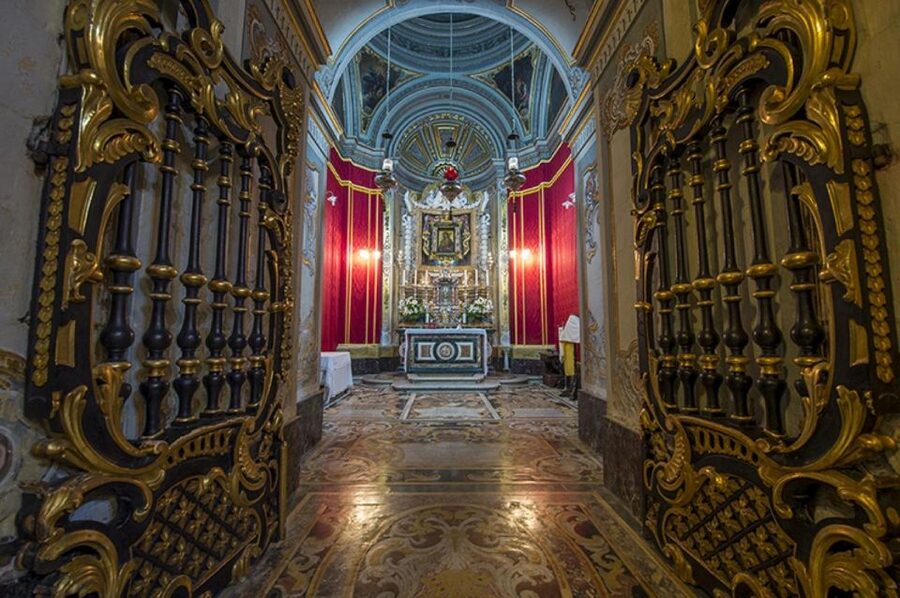
That floor and ceiling stop you in your tracks. This one ticket bundles St. Paul’s Cathedral and the Mdina Cathedral Museum, so you get Baroque church splendor plus a serious art-and-artifacts museum, including Albrecht Dürer prints and engravings. The only real catch is the ticket flow, you must start at the Mdina Cathedral Museum reception desk, even if you’re itching to enter the cathedral first.
I like how the Cathedral visit is packed with visual payoff: the colorful inlaid marble floor and the frescoed ceiling are the stars, then you move on to altarpieces, paintings, and stained glass windows. In the museum, you’re not just looking at objects behind glass, you’re seeing silverware, rare coins, and a standout collection tied to Northern Renaissance master Dürer. A possible drawback is that this is more about self-paced entry than a room-by-room guided lecture, so you’ll want to bring your curiosity and take your time reading what you can.
If you’re planning a Malta day around Mdina’s quiet charm, this ticket makes it easy to combine spiritual architecture with museum-grade artifacts without overthinking your route. You can visit the cathedral and museum in any order, but you still need to present your ticket at the museum first.
In This Review
- Key things to know before you go
- Mdina Cathedral Ticket: One Admission, Two Stops, One Simple Rule
- St. Paul’s Cathedral in Mdina: Frescoes, Stained Glass, and a 1702 Story
- Mdina Cathedral Museum: Dürer Prints, Silverware, Coins, and Illusion-Style Baroque
- How to Time It: Cathedral Order Flexibility Without the Confusion
- Why This Combo Works in Mdina (and Who It Suits Best)
- Practical Tips That Save You Frustration
- Price and Value: Is $18 Good for Two Sites?
- FAQ
- Do I need to visit the Mdina Cathedral Museum first to use this ticket?
- Can I visit St. Paul’s Cathedral and the Mdina Cathedral Museum in any order?
- What is included with entrance to St. Paul’s Cathedral?
- What can I see in the Mdina Cathedral Museum?
- Are noise-cancelling headphones provided?
- Is the experience wheelchair accessible?
- How long is the activity valid for?
- Should You Book This Mdina Cathedral Ticket?
Key things to know before you go
- Museum-first ticket pickup: Go to the Mdina Cathedral Museum reception desk to show your ticket before entering.
- St. Paul’s Cathedral, built 1702: The building sits inside the Mdina story tied to St. Paul’s shipwreck era and Bishop Publius.
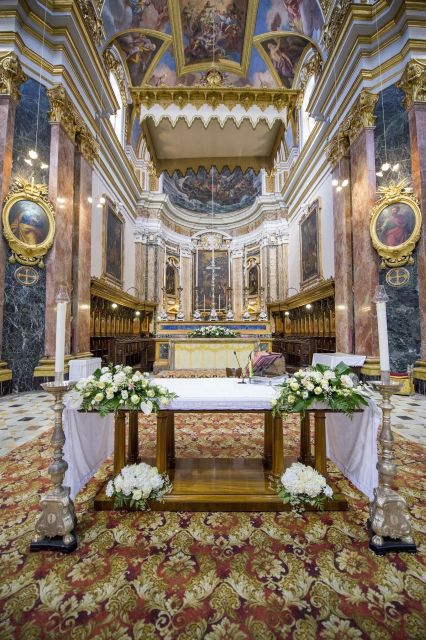
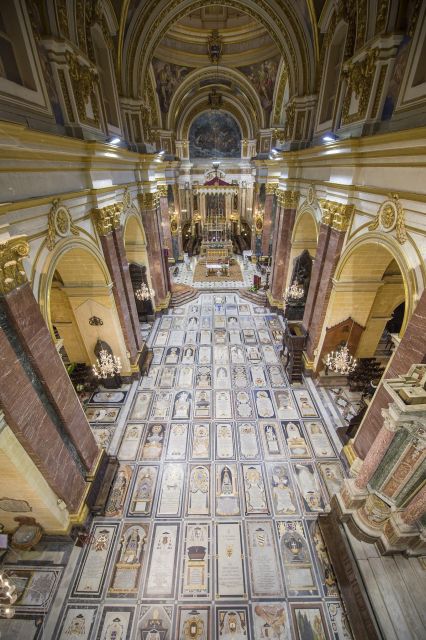
- Colorful marble + fresco ceiling: Expect the kind of interior details that reward slow looking.
- Dürer prints and engravings: A Northern Renaissance highlight among the museum collections.
- Silverware and rare coins: You’ll see small treasures that feel surprisingly tangible in a museum setting.
- Wax reliefs and Trompe-l’oeil Baroque dome: The museum includes showy illusion and sculptural effects.
Mdina Cathedral Ticket: One Admission, Two Stops, One Simple Rule
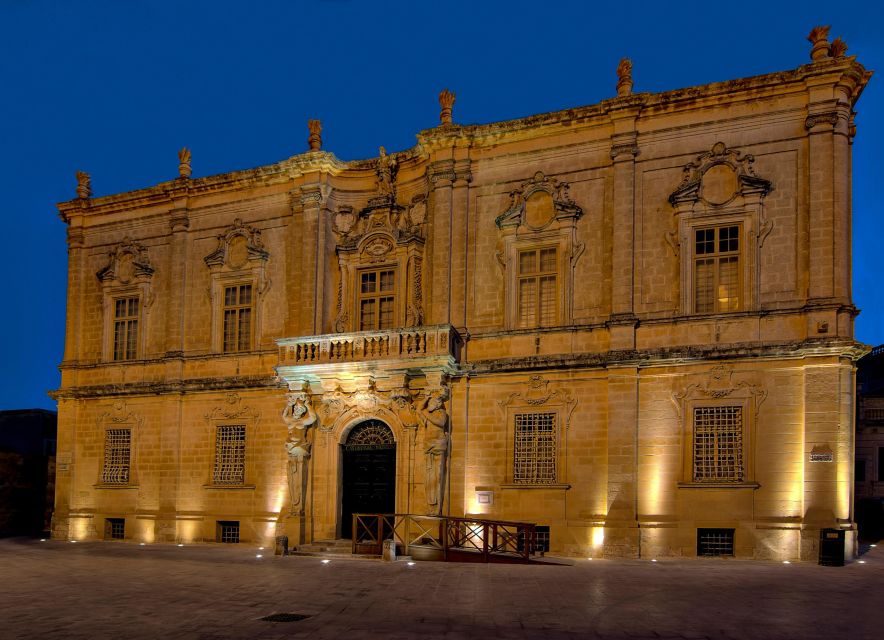
This ticket is designed for a single Mdina block of time: you enter St. Paul’s Cathedral and then the adjacent Mdina Cathedral Museum using the same admission. Both sites are physically connected by proximity, so you can bounce between them without losing momentum.
Here’s the one logistics rule that matters: even if you plan to head straight to the cathedral, you must present your ticket at the Mdina Cathedral Museum reception desk first. After that, you can visit the cathedral and museum in either order. The museum reception is where your entry starts, so if you’re the kind of person who hates waiting in any line, go there first and then enjoy the cathedral at your pace.
I also like that the visit includes practical comfort touches. Shawls and wraps are provided for cathedral entrance, which saves you from scrambling for something appropriate. Noise-cancelling headphones and other facilities for people with autism and similar special needs are also provided, and wheelchair access is available. That combination matters, because Mdina can be compact, and it’s easier to enjoy the artwork when the visit feels manageable.
Finally, the format is straightforward: there’s an English host or greeter, and you’re free to explore once inside. If you’re hoping for a constant live guide narration while you look at everything, set expectations accordingly and plan to do your own reading on signs and displays.
More of Mdina and the Silent City:
St. Paul’s Cathedral in Mdina: Frescoes, Stained Glass, and a 1702 Story
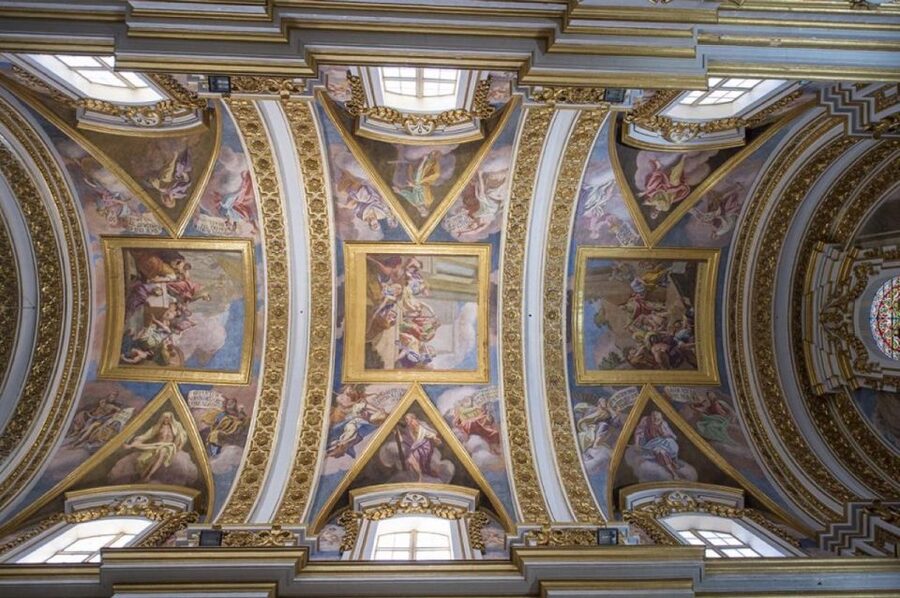
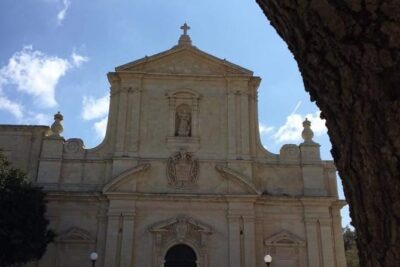
St. Paul’s Cathedral in Mdina is the kind of place where you automatically look up and then, a moment later, you look down. The reason is the floor and ceiling. The cathedral features a colorful inlaid marble floor and a frescoed ceiling that make the interior feel like a designed artwork, not just a room you pass through.
The cathedral is associated with an important timeline in Malta’s religious tradition. The building dates to 1702, and it is linked with the governor Publius, who lived here when he was appointed as the first Bishop of Malta in 60 AD by St. Paul. That connection is part of what gives the visit weight, you’re standing in a site that points back to a dramatic shipwreck narrative in early Malta.
Once you’re in, don’t rush past the main views. The cathedral’s highlights aren’t only architectural. You can also look for altarpieces, paintings, and stained glass windows. There’s also a strong emphasis on craftsmanship details, including intricate woodwork and silver artifacts, plus statues that add depth to the space.
Practical note: cathedral interiors often encourage a slower pace, and shawls help you dress comfortably for that. You’ll likely find yourself lingering over the marble patterns and ceiling areas, because those are the elements that pull you in first. If you prefer a visit where every minute has visual payoff, St. Paul’s Cathedral is set up for exactly that.
Mdina Cathedral Museum: Dürer Prints, Silverware, Coins, and Illusion-Style Baroque
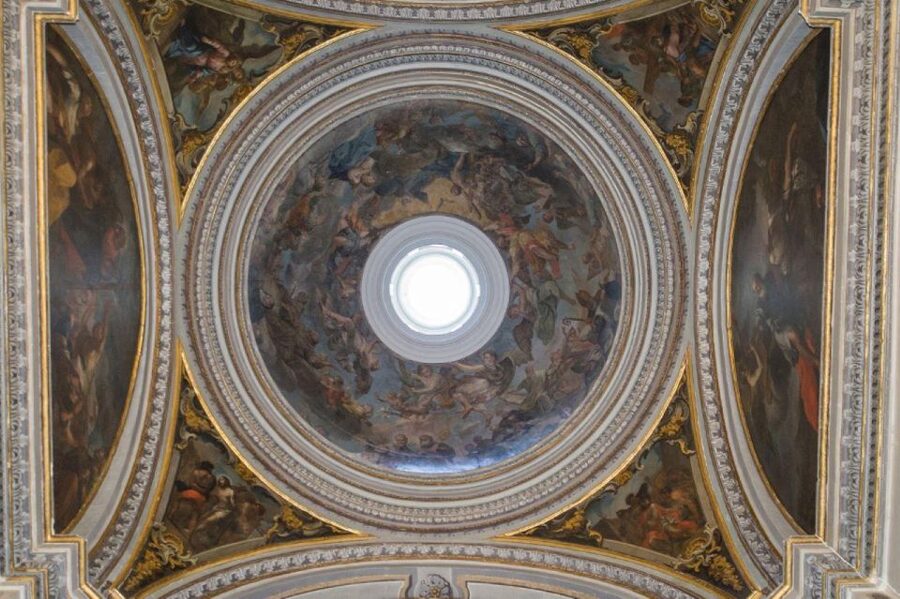
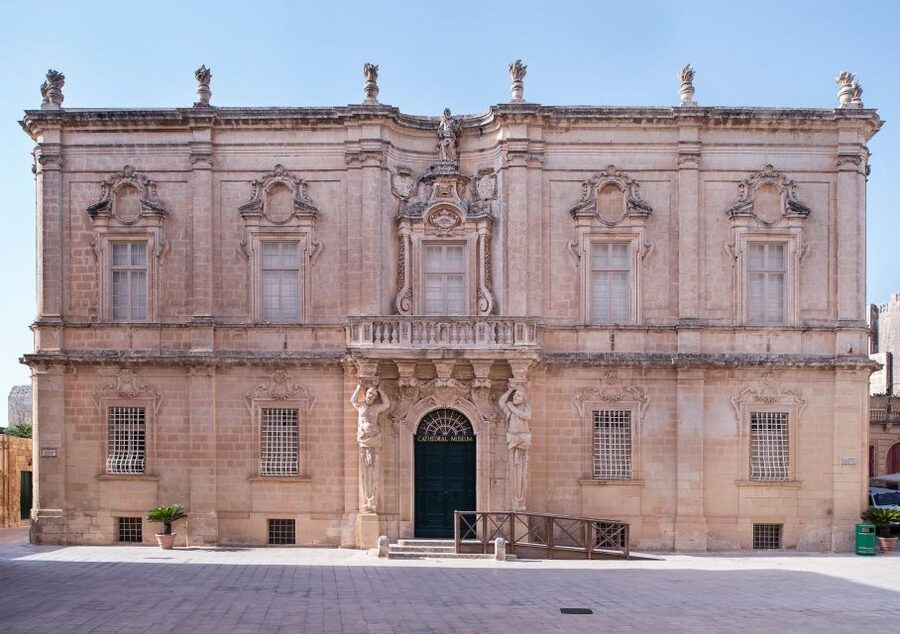
The Mdina Cathedral Museum sits adjacent to the cathedral, and it changes the mood from worship space to collection space. This is where the ticket earns its value, because you get a museum visit that reaches beyond typical church souvenirs.
Start with the “small but impressive” category: the museum includes fine silverware and rare coins. These objects tend to catch your eye because they feel exact and specific. In a museum setting, that kind of craftsmanship gives you an immediate sense of why people cared about collecting and displaying wealth and devotion.
Then comes the standout art credit: an important collection of prints and engravings by Albrecht Dürer. Dürer is one of the great names of the Northern Renaissance, and having his work in a Malta museum gives you a satisfying cross-continental cultural connection. If you enjoy European art history, this is the part where your visit becomes more than architecture spotting.
The museum also includes Maltese objects of art, wax reliefs, and paintings. Those are the pieces that broaden the experience from “church building” to “whole creative world.” You can see how local artistic expression and devotional objects can live alongside internationally recognized works like Dürer.
And yes, there’s theatrical showmanship. Look for the Trompe-l’oeil Baroque dome and the wax reliefs. Trompe-l’oeil means it’s trying to fool your eyes, and in a museum context it’s one of the quickest ways to feel the energy of Baroque display. You don’t need a background lecture to enjoy it. Your eyes do the work.
If you want a tip for how to organize your viewing, I’d pick a “focus first” strategy. Spend the first part of the museum looking specifically for the Dürer prints and the silverware and coins. Then shift into the wax reliefs, paintings, and the Trompe-l’oeil dome. That rhythm keeps the visit from feeling like one long room of objects.
How to Time It: Cathedral Order Flexibility Without the Confusion
You can visit the cathedral and museum in any order, but remember the ticket rule: show your ticket at the Mdina Cathedral Museum reception desk first. After that, you get flexibility. In practice, I like having a plan because Mdina itself can feel slow and atmospheric, and it’s easy to lose track of where you are in your day.
If you’re the type who likes to start with the big emotional hit, go to the reception desk first, then jump into the cathedral. The marble and frescoes create a strong first impression, and the meaning tied to St. Paul and Publius adds context while you’re still “in the story.”
If you’re tired, want quieter pacing, or prefer to warm up with art objects first, start with the museum after the reception check. The museum layout lets you focus on collections like silverware, coins, and Dürer prints before you step into the larger cathedral space.
Either way, plan to stay long enough that you can look up, look down, and look at objects at close range. This ticket is built around details, and those details reward slower attention.
Why This Combo Works in Mdina (and Who It Suits Best)

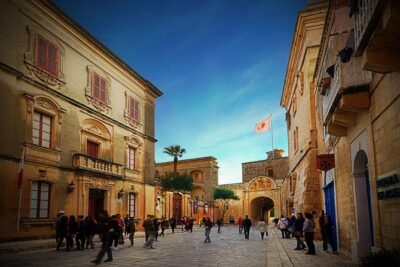
Mdina is often treated like a scenic stop, and you can spend a day just walking the streets and soaking in the calm. This ticket adds another layer, because it turns Mdina from a postcard into a place where you see craft and collecting up close.
I like that St. Paul’s Cathedral brings you inside the visual language of Baroque Malta, with fresco ceiling work, stained glass, and silver artifacts. Then the museum follows with tangible collections: silverware and coins you can appreciate as material culture, and Dürer prints and engravings that connect Malta to wider European art movements.
This experience is a good fit if you:
- Care about art and interior details, not just street views
- Want a single, self-paced admission that includes two connected sites
- Like religious spaces but also enjoy museum objects and print collections
- Appreciate craftsmanship, from inlaid marble to woodwork to wax reliefs
It might feel less ideal if you want a guided narrative from room to room. The tour info includes an English host or greeter, but the visit should be treated as entry plus exploration. If you’re the sort who needs a constant live commentary to understand what you’re seeing, you may want to pair this with another guided activity in Mdina.
More museums and collections in Mdina:
- Mdina: The Knights of Malta Museum Entry Ticket★ 4.3 · 63 reviews
- Palazzo Falson Historic House Museum entrance ticket★ 4.7 · 22 reviews
- Malta Classic Car Collection Museum Entry Ticket★ 4.9 · 247 reviews
- Skip the Line: Malta Classic Car Museum Admission Ticket★ 5.0 · 174 reviews
- Casa Rocca Piccola Palace and Museum Entrance Ticket★ 4.7 · 116 reviews
Practical Tips That Save You Frustration
Here are the small things that make the experience smoother once you’re on-site.
Start at the museum reception desk first. Even if you’re standing near the cathedral and ready to go in, present your ticket at the Mdina Cathedral Museum reception desk before entering. This is the most common confusion point, and it’s avoidable with a two-step mindset: reception, then cathedral or museum.
Use the provided shawls and wraps. Cathedral entrance requires them, and you don’t need to guess what will work. Plan for the fact that you’ll be more comfortable if you accept what’s provided instead of trying to improvise with clothing you packed for the street.
Bring attention to sound levels. Noise-cancelling headphones and other facilities are provided for people with autism and similar special needs. Even if that applies to you, it also helps if you simply want quiet focus while viewing the cathedral and museum details.
Take your time with the “first look” items. The marble floor and frescoed ceiling are the immediate wow factor. Then focus on a smaller set of objects. In the museum that means Dürer prints and engravings, silverware, and rare coins before you branch out to wax reliefs and the Trompe-l’oeil Baroque dome.
Price and Value: Is $18 Good for Two Sites?
At $18 per person for one day, this ticket is reasonably priced when you look at what it includes. You’re not just buying entry to one room. You’re paying for access to both St. Paul’s Cathedral and the Mdina Cathedral Museum under the same admission.
That value comes from the mix of experiences. St. Paul’s Cathedral gives you architectural highlights like the colorful inlaid marble floor and fresco ceiling, plus altarpieces, paintings, and stained glass windows. The museum side adds collections that feel specific and memorable, especially the silverware, rare coins, and prints and engravings by Albrecht Dürer.
Another value boost: GST is included. That means the price you see is the price you’re paying, which helps when you’re budgeting for a Malta itinerary.
Bottom line: if you like art details, religious interiors, and museum collections, this $18 ticket makes sense. If you only want cathedral exteriors and a quick peek inside, you may feel like you’re paying for the museum part too. But if you enjoy looking slowly, you’ll get your money’s worth.
FAQ
Do I need to visit the Mdina Cathedral Museum first to use this ticket?
Yes. You must present your ticket at the Mdina Cathedral Museum reception desk first.
Can I visit St. Paul’s Cathedral and the Mdina Cathedral Museum in any order?
Yes. You can visit the cathedral and the museum in any order.
What is included with entrance to St. Paul’s Cathedral?
Entrance to St. Paul’s Cathedral is included, and shawls and wraps are provided for cathedral entrance.
What can I see in the Mdina Cathedral Museum?
The museum includes fine silverware, rare coins, an important collection of prints and engravings by Albrecht Dürer, Maltese objects of art, wax reliefs, and a Trompe-l’oeil Baroque dome, along with paintings and other artifacts.
Are noise-cancelling headphones provided?
Yes. Noise-cancelling headphones and other facilities for those with autism and similar special needs are provided.
Is the experience wheelchair accessible?
Yes, it is wheelchair accessible.
How long is the activity valid for?
The ticket is valid for 1 day, with starting times depending on availability.
Should You Book This Mdina Cathedral Ticket?
Book it if you want a smart, detail-focused Mdina stop that combines St. Paul’s Cathedral with a museum visit you can actually spend time on. The inlaid marble floor, frescoed ceiling, and stained glass make the cathedral worth it, and the museum’s Dürer prints and engravings, silverware, and rare coins are strong reasons to stay for the collection side too.
Skip or consider a different plan if you only want a quick photo-and-go interior visit, because this experience is best when you slow down and look at objects, not just pass through.
Just landed: new Mdina pages




Mdina & the Silent City, compared.
Highlights of Malta & Mdina Full Day Tour with Lunch
Read our review →
Mdina, Dingli Cliffs and San Anton Botanical Gardens
Read our review →
Mdina and Rabat Walking Tour inc. Catacombs and St. Paul’s Grotto
Read our review →Browse the lists this tour appears in