
Reviewed · MDINA & THE SILENT CITY
Valletta & Mdina: Private Tour
Two cities, one hilltop view. This private 4.5-hour tour links Mdina and Valletta with a guide who sets a relaxed pace. I like the leisurely strolls (especially the views from Mdina’s walls) and the chance to see Malta’s limestone neighborhoods, churches, and wooden balconies up close. One possible drawback to plan around: church or museum visits are not guaranteed, so if that matters to you, ask your guide to prioritize it.
Expect a smooth start with hotel pickup in Valletta, Sliema, or St Julians, then private transport toward Mdina before you move into walking time. The tour ends in Valletta, and return transport is not included (though it can be arranged for an extra charge). The upside is simple, you get focus, flexibility, and zero crowd pressure while the guide steers what you see.
In This Review
- Key highlights you’ll feel right away
- Why Valletta and Mdina fit together so well
- Getting from your pickup to Mdina without the stress
- Mdina on a hill: walled-city views and the Citta Notabile story
- Walking Mdina’s narrow streets at an easy pace
- Valletta on foot: fortress-capital design after the Great Siege
- The church and museum question: what to request upfront
- Private tailoring that actually shows up in the details
- Language and guide vibe: what you should expect
- Price and value for a group of up to two
- Comfort rules that can save your trip
- Who this tour is best for
- Should you book this private Valletta and Mdina tour?
- FAQ
- How long is the Valletta and Mdina private tour?
- Is this tour private or shared?
- Where does pickup happen?
- Does the tour include transport to and from Mdina?
- Is return transport to my hotel included?
- Are entrance fees to churches or museums included?
- What languages are available for the guide?
- Is the tour wheelchair accessible?
- What should I bring and what should I avoid wearing?
- Are pets allowed?
Key highlights you’ll feel right away
- Private pacing that keeps the walk relaxed, not rushed
- Mdina walls viewpoints with time to look and not just pose
- Knights of St John context tied to Valletta’s fortress-city layout
- Custom stops when you want something specific, from food tips to personal interests
- Small-group comfort for families or couples wanting quiet attention
Why Valletta and Mdina fit together so well
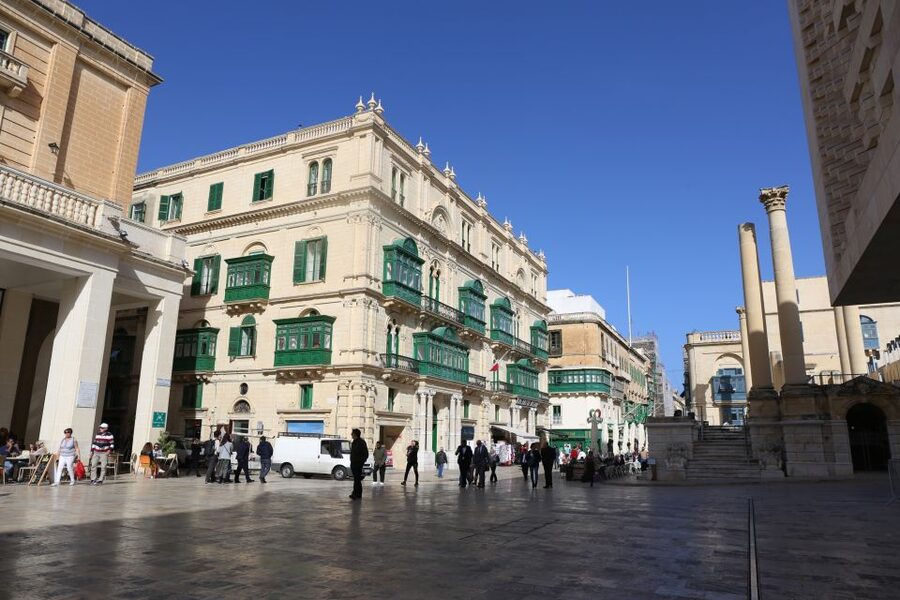
If you want Malta to feel like Malta, this pairing works. Mdina gives you that walled-city feel on a hill, with narrow streets and big-sky views. Valletta shifts to a fortress capital built by the Knights of St John after the Great Siege of 1565, where the architecture and planning are the story.
This tour’s structure matters. You start in Mdina first, then finish in Valletta on foot. That order helps because Mdina is about atmosphere and slow looking, while Valletta is about connected history across city blocks and impressive facades.
More of Mdina and the Silent City:
Getting from your pickup to Mdina without the stress
You can be picked up from hotels in Valletta, Sliema, or St Julians, or meet in Valletta if that’s easier. Then you get private transport to Mdina, and later, the tour ends in Valletta.
That transport piece is a real time-saver. You avoid the “how do we get there” scramble and can settle into the visit. The tour also keeps you moving within a tight half-day window, 4.5 to 5 hours, which is ideal if you have only one free morning or afternoon.
One practical note: the tour includes transport to Mdina from the meeting area and back to Valletta, but return transport to your lodging is not included. If you are staying outside Valletta, make sure you have a plan for how you’ll get home when you finish.
Mdina on a hill: walled-city views and the Citta Notabile story
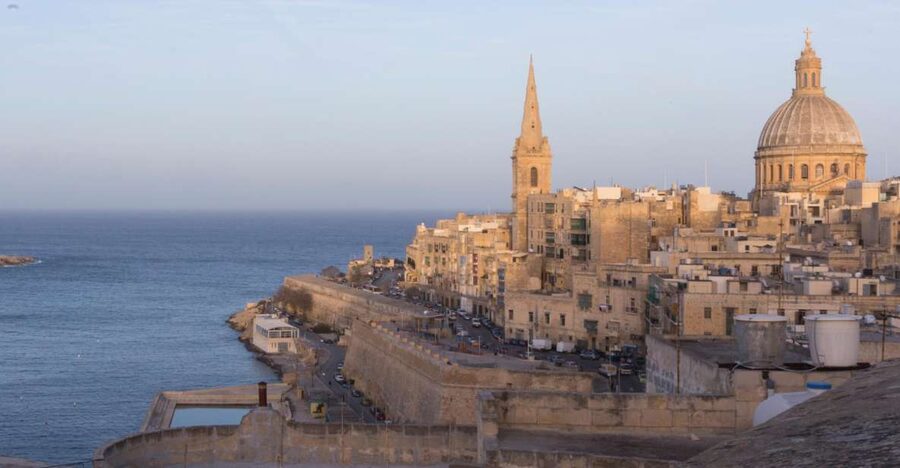
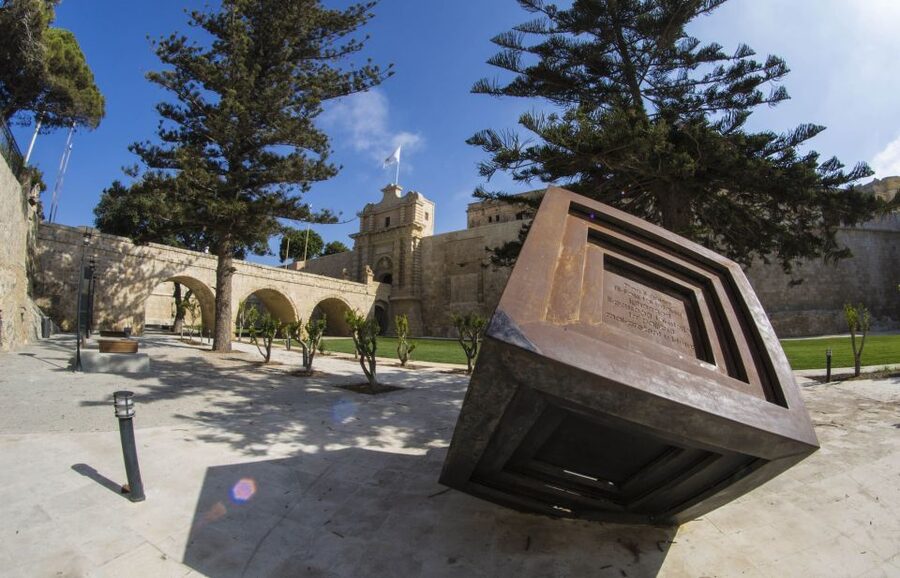
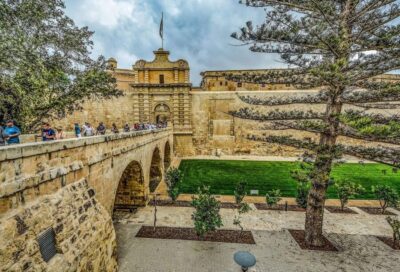
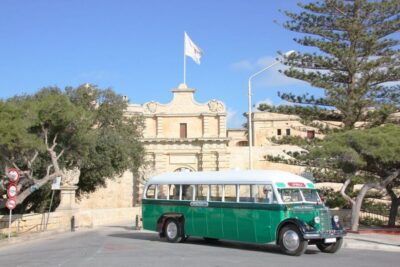
Mdina is the former capital, perched on a hilltop in the center of the island. It’s described as one of Europe’s finest examples of an ancient walled city, with medieval and Baroque architecture. When your guide brings you here, you’re not just walking through pretty streets, you’re stepping into a place built to be protected.
The tour also leans into Mdina’s identity as the Citta Notabile, meaning Nobel City, tied to Malta’s noble families. That framing helps you notice details that you might miss on your own, like the way palaces, churches, and convents line the narrow streets.
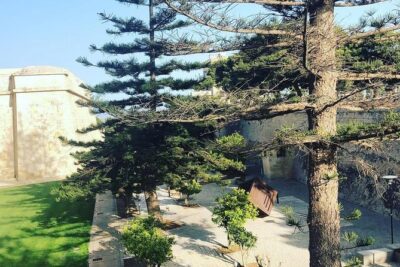
Then there are the views. You’ll stroll at a leisurely pace along the walls, and this is where Mdina can really hit you. The walls create a natural “pause and look” moment, and the guide can point out what you’re actually seeing, not just wave and say pretty.
Walking Mdina’s narrow streets at an easy pace
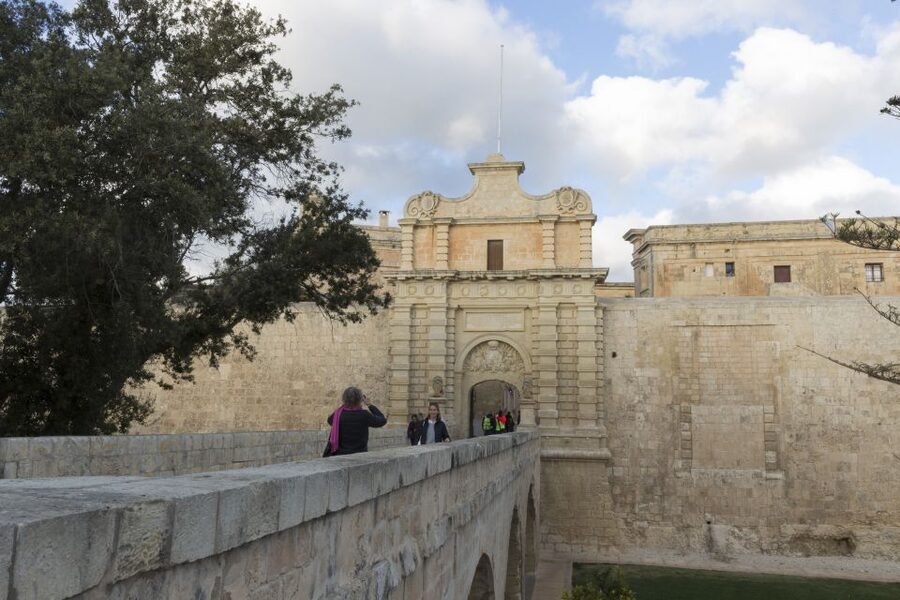
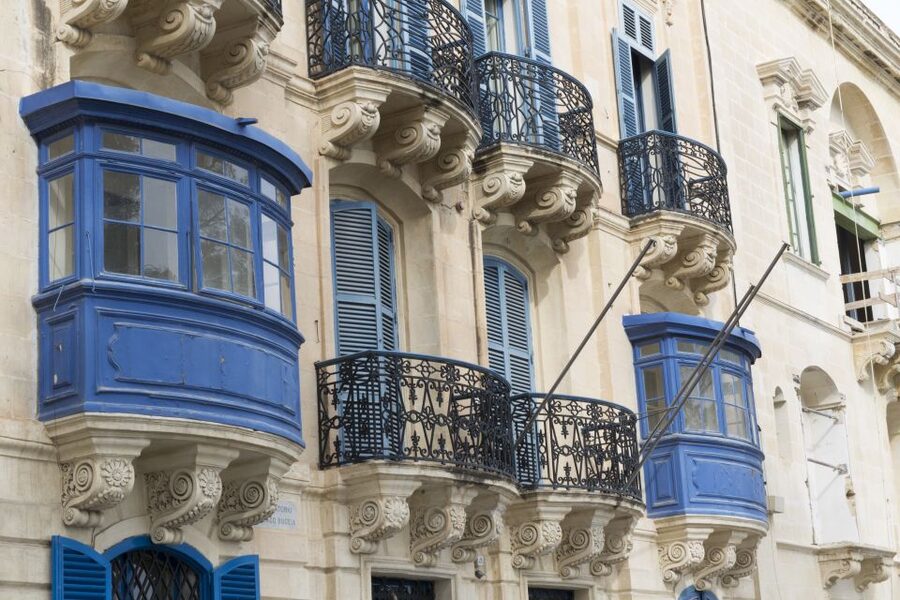
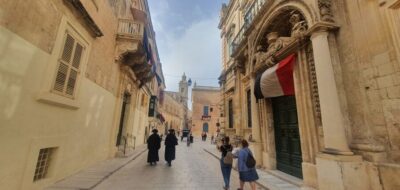
The highlights list calls out bastions, clusters of limestone buildings, wooden balconies, and churches, and Mdina is where many of those elements blend together. Your guide leads the walk, and the pacing is intentionally relaxed.
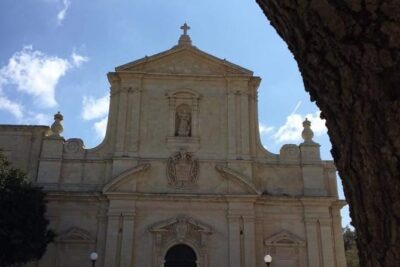
That slower pace matters because Mdina’s charm is in small changes. A turn in the street can shift the light. A balcony can frame a view. A church facade can make more sense once you understand who the city housed and why it mattered.
If you love structure in your sightseeing, watch how your guide connects the architecture to the city’s role. If you love just wandering, you’ll still get value because the guide can steer you toward the best viewpoints without making you feel like you’re on a timed tour.
Valletta on foot: fortress-capital design after the Great Siege
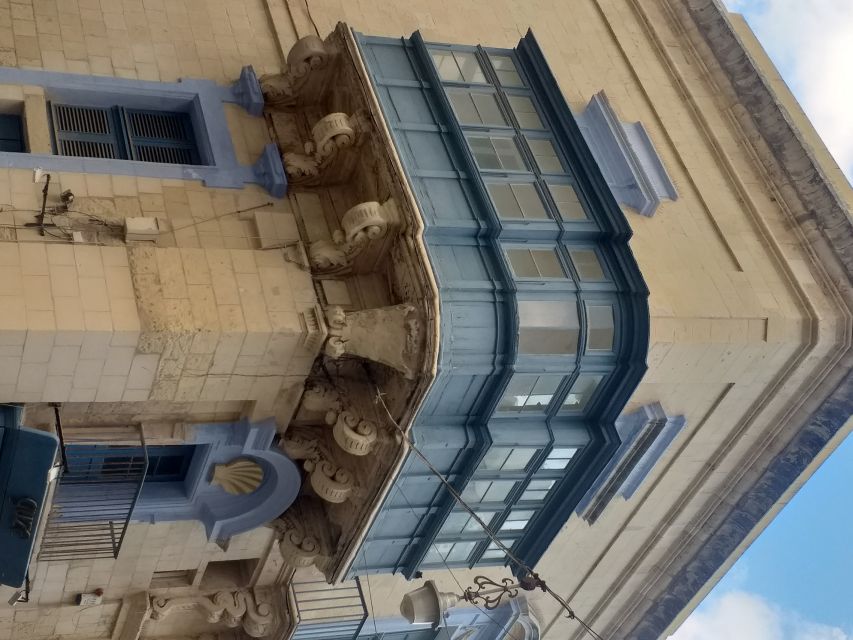
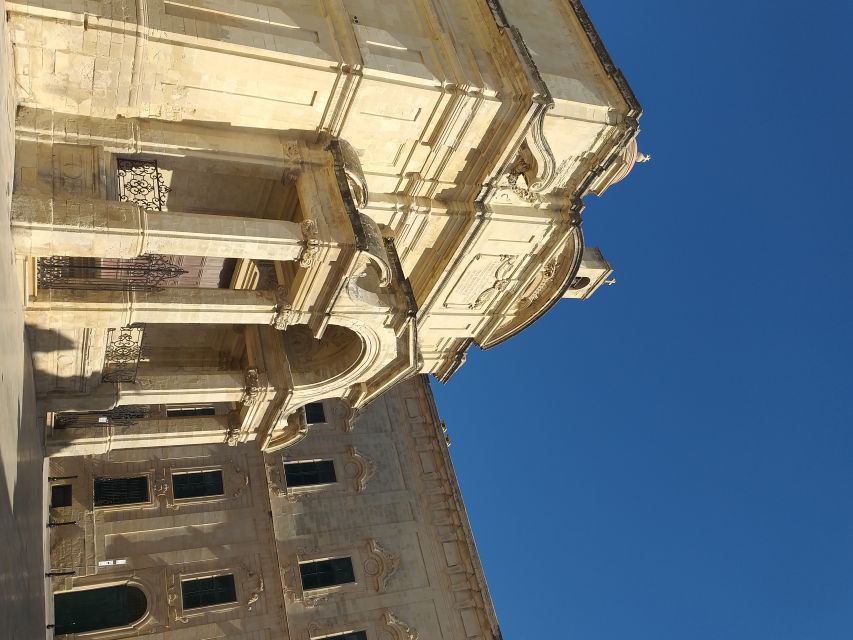
After Mdina, you move to Valletta, Malta’s current capital city, and you explore the historical city center on foot. Valletta is presented as a World Heritage Site and a monument in itself, founded by the Knights of St John after the victory of the Great Siege of 1565.
This is where you’ll see the fortress mindset in real time. Valletta is not only a collection of buildings. It’s a planned city shaped by power and defense. When your guide highlights imposing facades, it helps you understand why so much of what you see feels intentional, not random.
Look for the way streets and viewpoints connect. Even within a few hours, you can start to recognize patterns, like how the built form supports the city’s role as a stronghold. It’s the kind of context that turns “nice buildings” into “I get what this city was built to do.”
Other ways to spend a sunny hour in Valletta
- From Malta: Full-Day Gozo UTV Tour with Lunch and Boat Ride★ 4.6 · 4,408 reviews
- The Original Valletta Walking Tour★ 5.0 · 2,719 reviews
- Valletta: 3-Hour Walking Tour★ 4.7 · 1,605 reviews
- From Malta: Full-Day Gozo Quad Tour with Lunch and Boat Ride★ 4.8 · 1,419 reviews
- Valletta: Guided City Walking Tour★ 4.8 · 1,256 reviews
The church and museum question: what to request upfront
This tour is built around walking and city viewing, not a full set of museum stops. Entrance fees to any church or museum are not included. That means the visit may focus on what you can see from the street and key exteriors.
One important consideration shows up clearly from real-world expectations: some people go in hoping to spend time inside churches, and that can disappoint if the schedule stays exterior-focused. If you want interiors, plan to ask your guide before you start walking. A good guide can often shift priorities within the allotted 4.5 to 5 hours, but they cannot magic away entry fees or short time windows.
If church interiors are a must, also budget extra time and money for ticketed entries. The good news is you still get expert context even if you keep the day simpler.
Private tailoring that actually shows up in the details
The “private tour” part is not marketing fluff here. The itinerary can be tailored to your needs, and the guide clearly adjusts based on interests.
That kind of flexibility is more useful than it sounds. One example from guide stories: a guide noticed an interest in stamps and arranged a passing stop at the post office, then factored in that the line was long and you could make a better choice. Another example: a guide knew someone was interested in Game of Thrones and tried to confirm scene locations through personal checking.
Those moments are small, but they change the whole feel of the trip. You’re not stuck with someone else’s plan. You’re using local guidance to make your day more you.
Even food planning can matter. A guide can share practical recommendations for where to eat after Valletta, especially when you’re done in the same area where most restaurants cluster.
Language and guide vibe: what you should expect
This tour runs with a live guide in Croatian, English, French, German, Italian, or Spanish. So you can pick a language that helps you get more from the explanations.
Guide quality is the central ingredient of this kind of day. The names that show up in strong experiences include Ernest and Angèle, plus guides like Mary and Visnja, with drivers such as Warren. The pattern is consistent: people like the guides for being friendly and responsive, and for offering practical tips to help you save time or get a better view.
If you want your tour to feel personal, bring up your priorities at the start. Tell the guide what you’re most curious about in Mdina and Valletta, and what you want to avoid, like extra stops that slow the day down.
Price and value for a group of up to two
The price is listed as $559 per group up to 2 for about 4.5 hours. That is not a budget number, so you should ask yourself what you are buying.
You’re paying for:
- A fully licensed guide for the full duration
- Private transport from the meeting area to Mdina and back to Valletta
- A route that stays walk-friendly and adjustable to your interests
For a couple, the value can make sense because you’re effectively covering guide time plus transport while keeping your schedule flexible. For solo travelers, it can still be worth it if you really want guided depth and a calm pace without waiting for others.
In plain terms: if you’re the kind of traveler who wants context, and you don’t want to manage logistics on your own, this price can feel fair. If you only want a quick look at highlights, a cheaper self-guided approach might suit you better.
Comfort rules that can save your trip
You’ll do a fair amount of walking, including time in historic streets and on walls. Bring comfortable shoes, because Mdina’s charm comes with uneven, old-city footing.
There’s also a dress note: sleeveless shirts are not allowed. If your wardrobe runs casual, just pack a light layer. It’s an easy way to avoid the annoying moment of being turned away from an area or request.
Good to know for planning: the tour is wheelchair accessible. That’s a big deal for anyone who needs mobility support, since it’s offered as an option rather than an afterthought.
Pets are not allowed, so keep that in mind if you’re traveling with an animal.
Who this tour is best for
This private tour is a strong match if:
- You want a guide-led day instead of figuring it out alone
- You like walking at a leisurely pace
- You want Mdina views plus Valletta’s fortress-capital context in one go
- You’re traveling as a couple or small group and want flexibility
It may feel less perfect if:
- You need a strict checklist of multiple museum entrances
- You plan to spend most of your time inside church interiors without extra planning
- You’re hoping for a long, slow day. This is still a half-day format.
Should you book this private Valletta and Mdina tour?
I’d book it if your top priorities are a calm pace, a real guide, and connecting the story of Malta’s two most iconic cities. Mdina is great for viewpoints and atmosphere, and Valletta adds the Knights of St John angle that makes the architecture click. The private format also helps if you want tailoring, like focus on a specific interest or simply a smoother day with smarter stops.
Skip or rethink if you want a guaranteed set of church and museum interiors, because entrance fees are not included and time can stay focused on exteriors. If that’s your must-do, message the provider before you go and ask your guide to align the plan with what you care about most.
FAQ
How long is the Valletta and Mdina private tour?
The tour runs about 4.5 to 5 hours.
Is this tour private or shared?
It’s a private group tour.
Where does pickup happen?
Pickup is included from hotels in Valletta, Sliema, and St Julians. If you are not using pickup, the meeting location is in Valletta.
Does the tour include transport to and from Mdina?
Yes. Transport to Mdina from the meeting area and back to Valletta is included. The tour ends in Valletta.
Is return transport to my hotel included?
No. Return transport is not included after the tour ends in Valletta, but it can be provided for an extra charge upon request.
Are entrance fees to churches or museums included?
No. Entrance fees to any church or museum are not included.
What languages are available for the guide?
The live guide is available in Croatian, English, French, German, Italian, and Spanish.
Is the tour wheelchair accessible?
Yes, the tour is wheelchair accessible.
What should I bring and what should I avoid wearing?
Bring comfortable shoes. Sleeveless shirts are not allowed.
Are pets allowed?
No, pets are not allowed.
Just landed: new Valletta pages

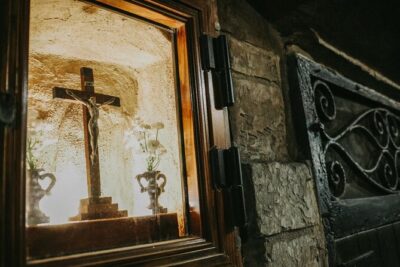
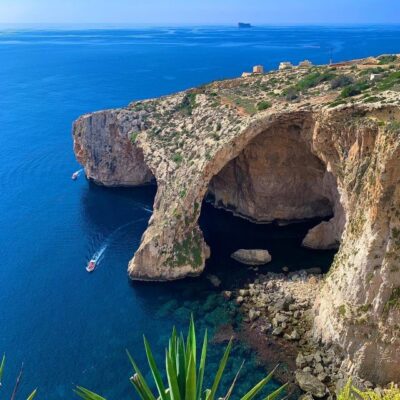
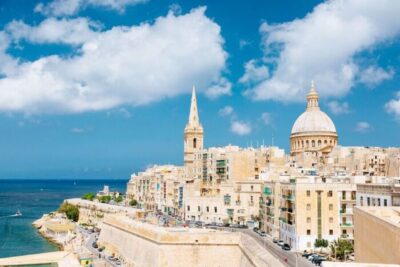
Mdina & the Silent City, compared.
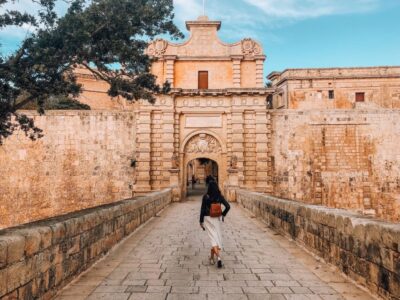
Highlights of Malta & Mdina Full Day Tour with Lunch
Read our review →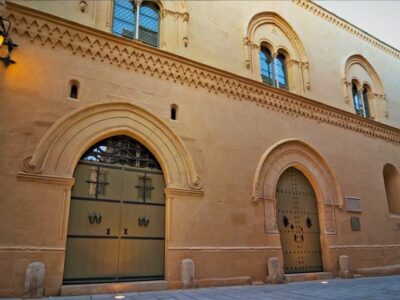
Mdina, Dingli Cliffs and San Anton Botanical Gardens
Read our review →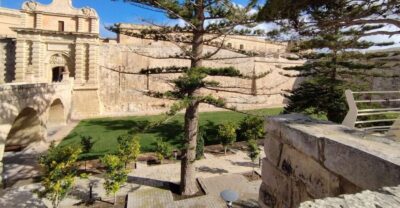
Mdina and Rabat Walking Tour inc. Catacombs and St. Paul’s Grotto
Read our review →Browse the lists this tour appears in